No Mow May continues to grow

 BBC
BBCMore gardeners than ever are turning over parts of their lawns to nature, according to campaigners.
The annual No Mow May initiative encourages gardeners to reduce grass cutting and allow wild flowers and grasses to bloom.
According to a recent survey by the Salisbury-based charity Plantlife, 32% of those who took part in 2025 were doing so for the first time, with more expected to join this year.
The campaign, now in its eighth year, is in response to the loss of 97% of grassland meadows in the UK since the 1930's.
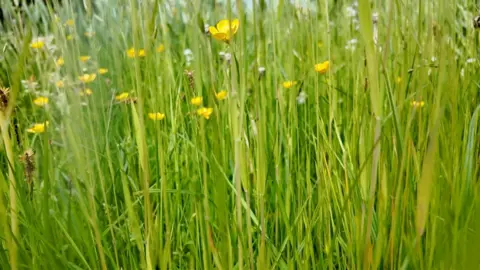
With more than 23m gardens in the UK, even a small patch of lawn left to grow can make a difference, according to the charity.
Letting wildflowers establish in place of manicured grass can provide a vital food source for pollinators and habitat for other insects and small mammals.
And it seems people are more likely to take part if neighbours also are reducing their mowing.
Recent polling by Plantlife found 60% of 25 to 34-year-olds would be more likely to let their lawns grow if people around them did too.
Specialist botanical adivisor for Plantlife, Sarah Shuttleworth said even not mowing part of a lawn could make a difference
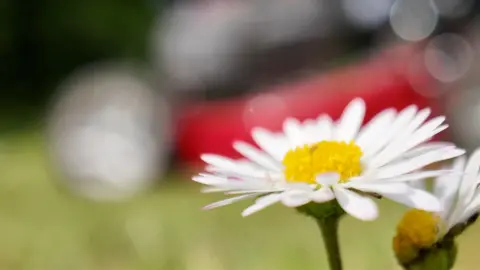
"The first things that are going to make the most of that break in mowing are things like your daisies and your dandelions"
"People might see these as weeds in your lawn but actually they are really important for pollinators."
The campaign is also encouraging local councils and community groups to reduce mowing of their green spaces.
Roadside verges, playing fields and shared spaces can all contribute to increasing wildflower grasslands and meadows, although there has previously been criticism over areas becoming untidy and a trap for litter.
Among the local authorities supporting the initiative, Dorset Council said it could "help give nature the boost it needs".
"We know it's not practical for everyone to take part - including ourselves at times.
"You may see us cutting verges this month. This is part of our long-term plan to protect and improve verges in Dorset for biodiversity, whilst keeping junctions and lines of sight clear for road users," it added.
Bracknell Forest Council in Berkshire said it would take a "targeted approach" and not cut grass at 10 sites including Buckler's Forest, Goddard Way and Jennett's Hill.
"We will consider taking part in 2027 and will continue to explore converting some of these grassland areas to permanent meadows.
"We will, of course, be careful to retain plenty of grassland for recreational activities," it added.
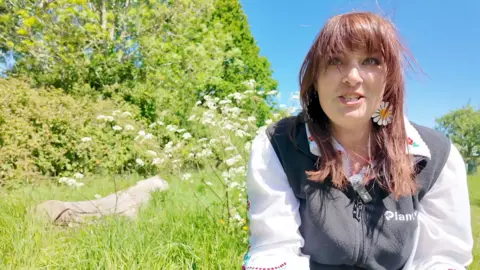
Volunteers at the community orchard at Herington's Field in Arundel are have been keen to turn some of their green spaces over to nature.
Secretary Fiona Keating said: "We want to enhance this space in terms of biodiversity and abundance for insects and wildlife
"It's part of a wildlife corridor really throughout the town. It's part of a big message and it's really important."
Plantlife hopes the no-mow movement will continue to grow throughout May and beyond.
She said the campaign was about "looking at your lawn in a different way".
"But ideally you'd love it so much that you continue it through June and July - so Let it Bloom June, Knee High July. Give it a go and see if you love it."
