'We didn't think we would see the abbey reopen in our lifetime'

 Getty Images
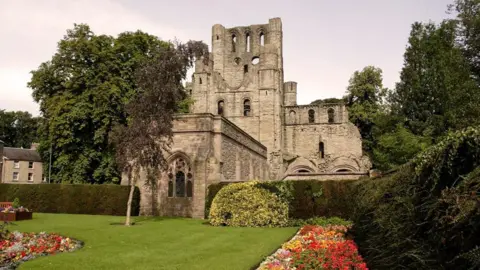
A heritage group has said it has high hopes that the oldest abbey in the Borders can reopen to the public in good time for its 900th anniversary celebrations.
Kelso Abbey became one of the most important centres in Scottish religion and politics after Tironensian monks moved their base from Selkirk to the town in 1128.
Major plans are being developed to celebrate the anniversary but there were fears those might have to take place away from the building, after its gates were locked in 2022 due to safety concerns over decaying stonework.
However, after a concerted effort by local people - and Historic Environment Scotland (HES) - it is hoped it could open later this summer.
 KHS
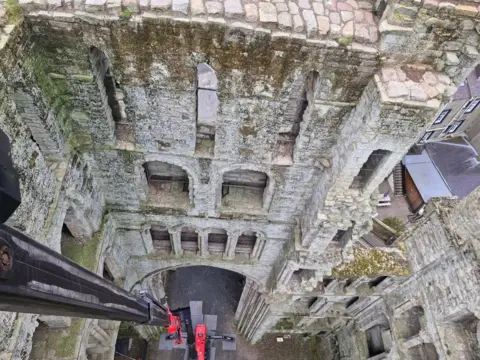
KHSEfforts to address the concerns have involved Kelso Community Council, the Kelso Heritage Society (KHS) and the Duke of Roxburghe, whose Ker family was handed ownership of the abbey in the 17th Century.
At a meeting last week long-awaited good news was shared.
Colin Henderson, who chairs the KHS, explained: "Hats off to HES because they have pulled out the stops.
"If all the processes are squared away in the next few weeks, Kelso Abbey will reopen to the public at the end of July, which is tremendous.
"Many of us didn't think we would see it reopen in our lifetimes, but HES has brought surveyors, architects, highly skilled tradespersons and even drone pilots to Kelso, and it has brought the result we hoped for."
 KHS
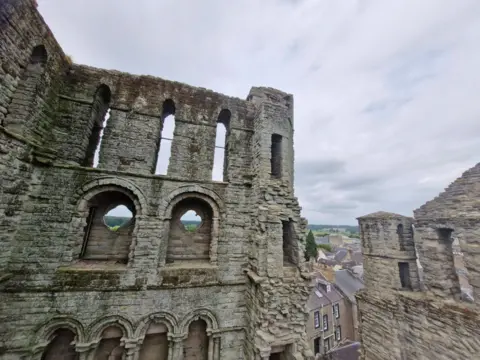
KHSHenderson explained that a combination of natural age deterioration and cement being used for repairs in the 1950s instead of specialist resins meant that extreme wet weather had caused issues.
Skilled stonemasons have now removed the most dangerous stones and used resin and nets to make others secure.
"These are short to medium-term measures, and the abbey will need to undergo checks after severe weather," he added.
"But we'll take that knowing the abbey gates will be reopen from the end of July, and we can plan its future again."
HES has not confirmed any reopening date but said its specialist teams had recently completed further masonry inspections at the abbey.
"These tactile inspections form part of a rolling programme of surveys to review the impact of climate change, among other factors, on our historic sites," it said.
"Results from the inspections will help to inform wider conservation considerations and visitor access decisions at the abbey."
It said the abbey remained closed but it was continuing to review the options available and that plans for the anniversary would be shared "closer to the time".
