Dry spell leaves river flows 'among lowest on record'

 Martin Dawes
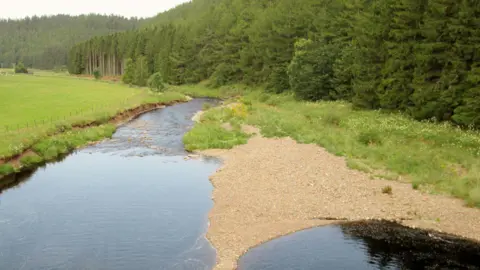
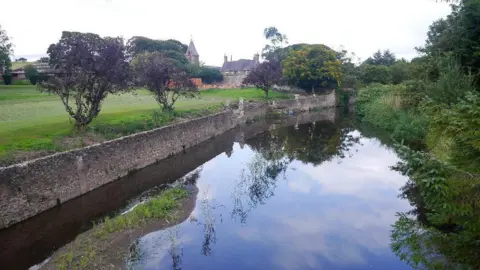
A prolonged period of dry weather has left some river flows in the east of Scotland among the lowest on record.
The Scottish Environment Protection Agency (Sepa) said it meant a number of sites across the Borders, Angus, Aberdeenshire and Fife were expected to move into "significant scarcity" in the next few days.
It would allow them to introduce "targeted and temporary restrictions" on water abstractions to protect rivers and wildlife.
Sepa said any measures it took would be proportionate, based on local conditions, kept under regular review and lifted as soon as conditions improved.
The latest weekly water scarcity report shows conditions have deteriorated across much of the country.
The Deveron and Almond catchments have moved into moderate scarcity, joining the Tyne (Lothian), Firth of Forth, Firth of Tay, Don (Aberdeenshire), Esk and Tweed.
Water scarcity is now most severe across eastern and southern Scotland, where many catchments are at alert or moderate scarcity.
Across eastern Scotland, most locations have recorded less than 10mm (0.4in) of rainfall during July, while Angus has received less than 3mm over the past three weeks.
Parts of Aberdeenshire and the Cairngorms have also experienced exceptionally dry conditions.
 Richard Webb
Sepa said if exceptional low river flows continued over the next few days then Berwickshire Coastal, Whiteadder Water, Lower Tweed, Lunan Water, Lower Don, Fife (East Neuk) and North Fife were expected to move into significant scarcity.
Head of compliance Shona McConnell said: "Weeks of exceptionally dry weather are continuing to put pressure on rivers across much of Scotland, particularly in the east where some river flows are now amongst the lowest on record."
She said Sepa had been working closely with a range of organisations to give them as much notice as possible of any restrictions it might need to put in place.
"Our weekly water scarcity reports and drought risk assessment tool help people understand what's happening in their local area and plan ahead," she added.
"If restrictions become necessary, they will be targeted, temporary and only remain in place for as long as they are needed to protect Scotland's water environment."
Sepa has four levels of water scarcity - early warning, alert, moderate and significant for when rivers fall to critical levels.
