We thought we were buying Welsh jewellery but the shop was an AI scam

 BBC
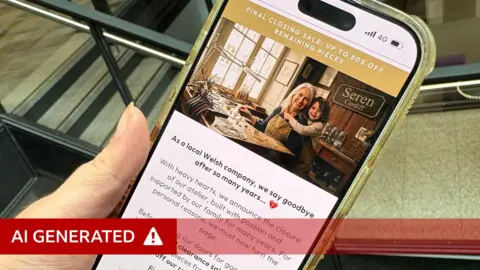
BBCShoppers who thought they were supporting a Welsh jewellery shop say they have lost hundreds of pounds to an artificial intelligence scam.
The customers said they bought items from a website called Seren Cardiff Jewellery but months later no items have arrived - and they have since realised the photos were taken from other sites.
The website was taken down after BBC Wales contacted the company, and no response has been received to requests for comment.
"When you read all the reviews it's obvious this AI company has stolen hundreds of pounds from people," said Lowri Ann, from Cardiff.
The website claimed to be a Cardiff-based business that was closing down due to "personal reasons".
It said it was holding a closing-down sale with discounts of up to 80%, urging customers to buy the remaining stock before the business closed for good.
Lowri said: "I saw the name Seren Cardiff and thought, 'wow, a local business'.
"The jewellery looked beautiful and everything was heavily discounted.
"There was a message on the website saying they had to close because of the cost-of-living crisis, so I decided to buy."
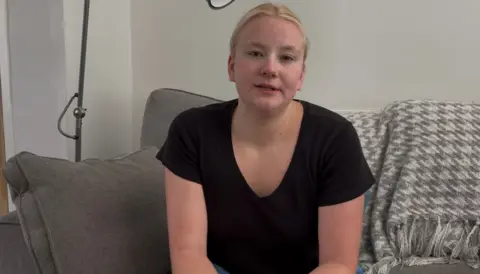
Lowri spent about £100 on earrings and a necklace, but weeks later nothing had arrived.
"I emailed several times but never got a response," said Lowri.
"Then I started investigating and realised the images had been stolen from other websites.
"That's when I realised I'd been scammed."
She said she was "usually good at spotting scams", but that this website completely fooled her.
"Something needs to be done to stop it," Lowri said.

Finnley Idris was looking for a birthday present for his girlfriend when he came across the website.
Because the company claimed to be Welsh, he said he was keen to support a local business.
"I wanted to buy her something local. The website looked really professional and everything seemed genuine," he said.
But after waiting several weeks, there was no sign of the jewellery.
"I ran the images through a reverse image search tool and discovered they'd been taken from other websites.
"That's when it clicked that I'd been scammed."
Finnley said nothing seemed suspicious at first, with the website offering things like a "30-day money-back guarantee and secure payment".
"Everything looked real. It was only afterwards that I realised it was all fake," he said.
Finnley believes there needs to be greater regulation of AI-generated content.
"AI has made it far too easy to create websites that look completely legitimate, he said.
"Now it feels like you have to question everything you see online."

Jack Knowles started taking a closer look at the Seren Cardiff Jewellery website after his mother became frustrated that her order had not arrived, despite spending hundreds of pounds.
He said he tried to track the order and contact the company, but without success.
"Mum had bought a bracelet from the website and weeks later there was still no parcel," he said.
"I tried to find parcel tracking or a way of contacting them, but there was nothing.
"We sent loads of emails too, but never got a reply."
After investigating the website further, Jack said he realised how sophisticated the scam was.
"It looked like a genuine website. It was professional. Mum didn't realise, and neither did I."
He believes the growing use of AI is making it easier for scammers to create convincing fake websites.
"It's quite frightening that AI can produce a website that looks so realistic, and that it's now so easy to do," he said.
"It's going to keep happening unless something is done."
Det Insp Iolo Edwards of North Wales Police said AI-powered scams were becoming increasingly common.
"Criminals are using technology such as AI to create websites that appear completely legitimate, making it much harder for consumers to spot a scam," he said.
"The use of AI needs to develop alongside measures that protect the public.
"As the technology advances, it's important that people can have confidence in what they see online."
A UK government spokesperson said, under the Online Safety Act, companies must protect users from illegal fraud, "including where it's AI generated".
"Using the internet to scam people is a vile act and we take this issue incredibly seriously," they added.
"From next year, major platforms will also have to comply with additional duties under the Act to further protect users from paid-for fraudulent advertising."
