Call for 'grassroots revolution' to save folk music

 AFP
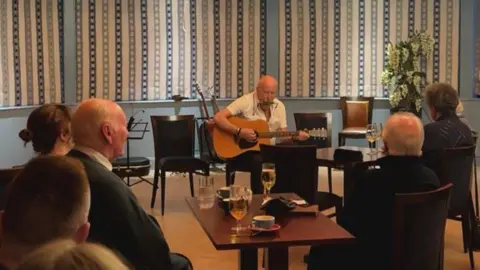
AFPThe strumming of a guitar, drinks raised and feet tapping as a traditional song of old is sung word for word by the whole audience.
This is a scene familiar to those across the world who have ever walked into a folk night.
Then, why is so much of Guernsey's folk culture and music lost to time?
According to experts on the island, a variety of factors were to blame.
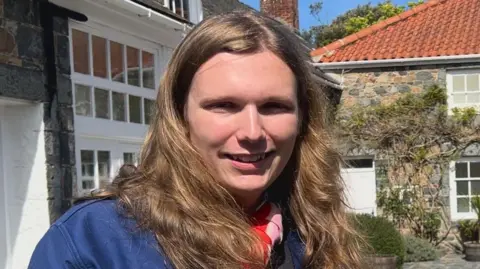
Jannick Brehaut from Guernsey's Folk and Costume Museum is one of few young speakers of Guernésiais.
"People really did look down on our culture"
It was seen as something for "lower class people, for country yokels".
According to Brehaut, schooling had an "enormous impact".
"Guernésiais speakers went to school and had negative experiences because the teachers did not communicate with them."
He believed the religious oppression of the Calvinist and Methodist eras had an impact.
"Music and dance were seen as something that would be sinful. Stuff did die out before other aspects of our culture became marginalised."
Brehaut believed that the island's language and culture is at "serious and imminent risk".
"We lose something new every year."
Most Guernésiais speakers are elderly: "A lot of them we do lose and we lose knowledge, as it goes."
"What we're talking about isn't just a bit of a mangling of French culture, it's not a hybrid of English."
"It is its own culture, language, history. It is its own forms of music and dances."
"If people knew what they stood to lose, they would be horrified."
'Serious and imminent risk'
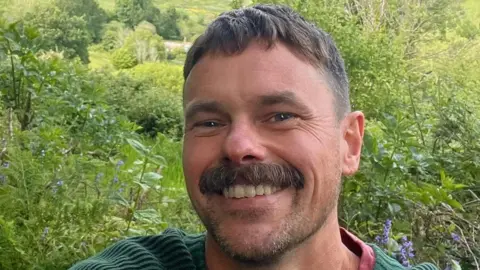 James Dumbelton
James Dumbelton is a musician who became involved with researching the island's lost music.
He said Guernsey's folk culture needed a "grassroots revolution."
"For a culture to survive, they have to have a sense of belonging."
The musician partly attributed the lack of song preservation to collector's attitudes who visited the island.
"Most weren't interested in the English songs."
He said the few recorded songs showed "the island had its own voice even within English."
Dumbelton said the "songs that were preserved were the French songs but now everyone speaks English."
"There's just so few that were actually noted and collected."
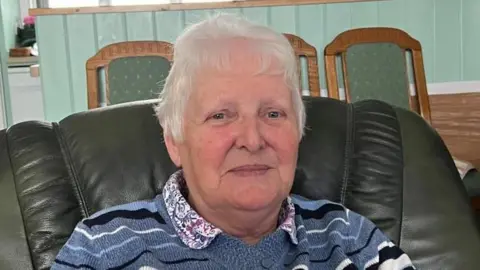
Doreen Laine is head of L'Assembllaie d'Guernesiais', that preserves the island's folk dancing.
"We try and keep it going because you don't want all these things to die out", said Doreen.
"They're part of our island culture so you don't want them to just disappear."
She said the German occupation of the island led to a loss of its trad dances.
"A lot of the dancing disappeared completely, and after the war, a lot of it just wasn't written down."
"Gradually, the generations brought it down."
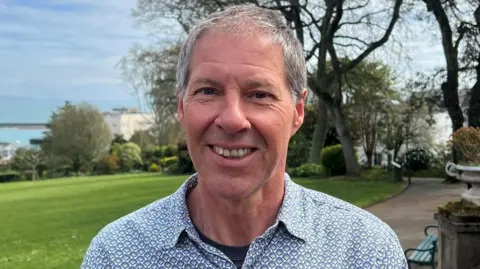
Yan Marquis, an expert in Guernésiais, said the language's lack of official format was another factor.
"Each writer wrote in their own style and it was never systematically taught as a written language."
Yan said "language is a marker of identity" and even if islanders don't speak Guernésiais: "They are attached to it."
"We need more awareness really of why language is so important.
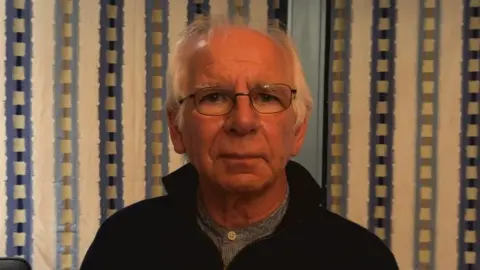
Mick Le Hury, runs Guernsey's Folk Club.
The musician said he knew British folk songs, though not one Guernsey folk song.
"There is a great danger that some of that will be lost", he warned.
Le Hury noted how songs from other cultures "really do get passed down but the Guernsey ones probably won't be".
Those who still take part in the culture are "quite old."
He worried "it's going to die off, unless someone picks it up."
Follow BBC Guernsey on X and Facebook and Instagram. Send your story ideas to channel.islands@bbc.co.uk.
