Endangered crayfish released into Yorkshire Dales

 BBC
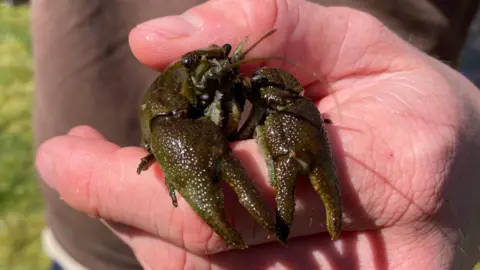
BBCMore than a 180 white-clawed crayfish have been released into the Yorkshire Dales as part of a new conservation project.
The freshwater crustaceans, which are the UK's only native crayfish species, are endangered due to competition from invasive American signal crayfish and the diseases which they carry.
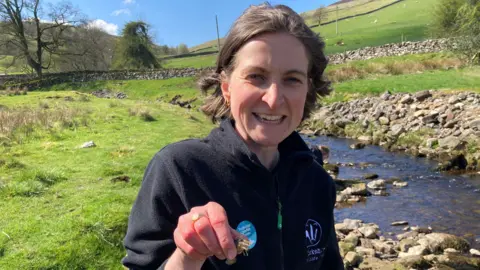
"The signal crayfish competes with native white-claws and brings with it a plague that kills our native crayfish," said Lucy Atkinson, crayfish project officer at Yorkshire Wildlife Trust (YWT).
The crayfish were raised at Yorkshire's first crayfish hatchery site, which was built at Flamingo Land in 2024.
In 2025, the first pregnant female wild crayfish was moved into the hatchery with a number of baby crayfish being born in June.
Conservationists from YWT were then waiting for them to be large enough to be released back into the wild.
"By giving them a head start in the hatchery, we're improving their chances of survival and helping to rebuild populations that are under real pressure in the wild" said Kieran Holliday, head of conservation and education at Flamingo Land.
Increased pressure from signal crayfish and deteriorating habitats has meant 5% of young crayfish in waterways survive to adulthood, with populations in Yorkshire disappearing.
"In the 1970s, signal crayfish were introduced to diversify aquaculture and farming.
"That didn't really work so we ended up with American signal crayfish escaping from the places they were introduced," said Tim Selway, biodiversity officer at the Environment Agency.
"They carry this plague and unfortunately our native crayfish have no resistance to it whatsoever so when the two come into contact the population of white-clawed crayfish will all die out."
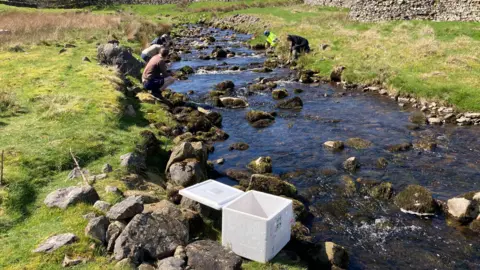
The newly-released crayfish at Haverdale Beck will be monitored and the project will now move to collecting more pregnant females from other native crayfish populations across the county and nurturing their young into adulthood.
"They won't move far, they only move a few tens of metres over the year generally so we expect they will hang around here and start to mate and then we'll build up a population," said Selway.
Listen to highlights from North Yorkshire on BBC Sounds, catch up with the latest episode of Look North.
