Five new rules to travel smarter this summer

 Getty Images
From locking in flights first to paying for expertise and flexibility, here’s what to consider before booking your summer holiday this year.
With rising fuel costs, geopolitical uncertainty and disruption across major travel corridors, summer travel in 2026 has even seasoned holidaymakers rethinking how and where they go.
But they're not staying home. Flight searches are up 4% this summer compared with last year, according to Kayak's Summer Travel Check-In, with US domestic interest up 7%. Instead, travellers are adjusting travel dates around airfare deals, shortening itineraries, swapping European holidays for Latin America and paying more for flexibility.
For travellers still weighing up where – and how – to travel this summer, the old assumptions may no longer apply. Here are five new rules to consider before booking.
Rule 1: Book the flight first
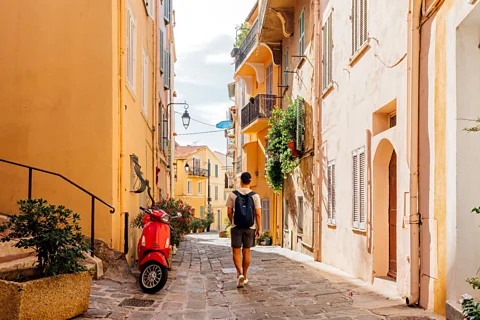
With airfares still highly sensitive to fuel costs, route changes and late-booking demand, it can pay to start with the flight. Travel advisors say more clients are locking in good-value fares when they appear, then planning hotels, tours and itineraries around those dates and routes.
"We see a trend of clients booking flights to avoid the rising prices, and then coming to us with flights already in place and asking us to design bespoke trips around their fixed flight date," said Graham Carter, CEO of Unforgettable Travel. "Travellers want to offset the higher airfares with cost savings in other parts of their trip, and want to make sure they are getting the best service for the price they are paying."
 Getty Images
Uncertainty is also shortening booking windows. While last-minute travel was already gaining momentum in 2025, advisors say people are now waiting even longer before committing as they monitor global stability in real time. "We've adapted our internal operational processes to handle bespoke bookings seven days out," said Carter, noting that "last-minute" previously meant closer to two to three weeks out.
Rule 2: Stay closer to home
If long-haul prices feel punishing, look at shorter trips, regional escapes and destinations that reduce the cost of getting there. According to Cayce Callaway, travel advisor at Cruise Planners, "[American] clients are looking closer to home, like the Caribbean, and they're going for fewer days when they would have otherwise gone to Europe. They're also flying coach when they would have been flying at least comfort [premium economy] previously."
Callaway says she is also fielding more bookings for Alaska, a destination that was previously on the backburner for many Americans in favour of far-flung international trips.
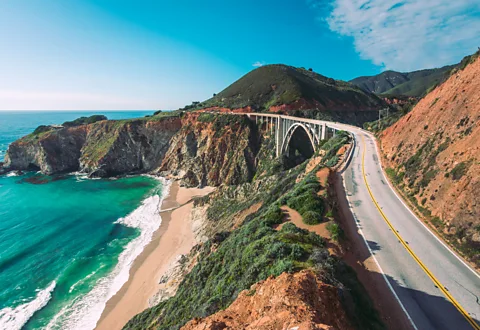
Road trips also remain popular this year. A recent survey by rental car company Hertz found that 64% of Americans plan to take a road trip this summer; while industry advocacy group GO RVing has seen a 6% rise in interest in RVing compared to last summer, climbing to 15% around the 4 July holiday period.
"Americans are determined to get away. However, they are tightening their belts, with average trip budgets dropping to around $1,600 [£1,193]," said Monika Geraci of the RV Industry Association. "Instead of cancelling vacations due to high flight or hotel costs, travellers are choosing to adjust. They are driving shorter distances and choosing closer destinations, but they are still making memories."
 Getty Images
The trend is also playing out in the UK; camping and outdoor accommodation platform Pitch Up reported domestic bookings for the 1 May bank holiday weekend were up 35% from last year. The company also saw a sharp rise (more than 180%) in travellers using its "pick up from public transportation" filter, suggesting people are also trying to reduce fuel costs.
Rule 3: Look beyond Europe
For travellers still eager to go long-haul, Latin America is emerging as one of the summer's biggest long-haul winners. Luxury operator Blue Parallel says its booking mix has flipped from a typical 50:50 split between Europe and Latin America to 70% Latin America. KAYAK data also shows UK flight searches to Central America up 34% year-on-year, while South America up 27%. Costa Rica and Guatemala are seeing particularly strong growth across multiple operators.
"Travellers are still eager to take long-haul trips, but many are gravitating toward destinations that feel… more predictable right now," said Emmanuel Burgio, CEO of Blue Parallel.
He added that travellers are trading "fly-and-flop" Brazilian beach holidays for itineraries that combine lesser-known beach spots like Fernando de Noronha with Amazonian rainforests and wildlife-rich areas like the Pantanal. "These journeys balance biodiversity, adrenaline and cultural depth in one single, cohesive itinerary."
Rule 4: Choose cooler, calmer places
If you are set on the Med, think carefully about extreme summer heat, overtourism and regional disruption. According to Carter, destinations geographically closer to the Middle East conflict – such as Greece and Turkey – have seen softer demand from some US travellers. Greek tourism research body INSETE reported a double-digit drop in demand across its key markets including the UK and US.
 Getty Images
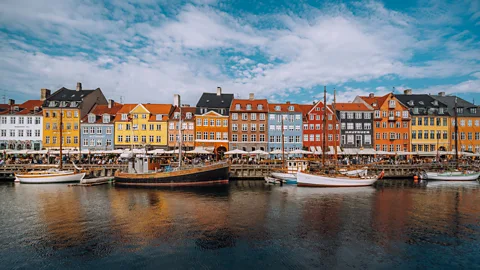
At the same time, Kayak data suggests travellers increasingly considering cooler European cities such as Reykjavik, Shannon, Dublin, Stockholm and Copenhagen, driven by lower average airfares and milder summer temperatures. Norway's fjord regions are seeing a reported 160% increase in summer bookings, according to HotelPlanner.com.
"Travellers are moving away from the idea that an island escape has to mean tropical beaches and extreme heat," said Jonny Cooper, founder of Off the Map Travel. "The Nordic islands are capturing people's imagination, as they offer the chance to slow down and reconnect with nature."
The broader "slow travel" trend is also continuing to grow. Carter said clients are increasingly requesting longer stays, and the agency is seeing a 46% year-over-year rise in spa and wellness bookings, especially those wanting to combine mindfulness with exploration.
Rule 5: Pay for flexibility and protection
While most travellers are watching costs carefully, this may be the year to spend strategically – on flexibility, protection, expert help and options that make it easier to change course if plans are disrupted.
More like this:
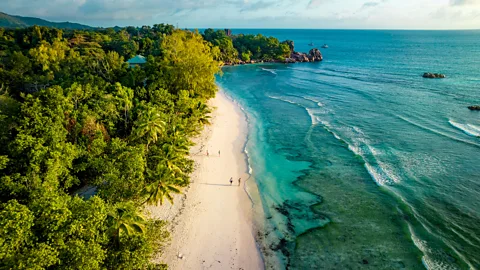
That means looking closely at cancellation policies before booking, choosing fares or hotels that allow changes where possible and considering travel insurance earlier. Destinations affected by softer demand – including Mediterranean cruises and the Seychelles – can offer better-than-usual deals as more cautious travellers bail out.
 Getty Images
"The statistic that is most telling to me is that I'm up 28% year over year, but with 13% fewer bookings," said Callaway. "Each booking is a higher total, but I have fewer of them."
For newer travellers in particular, it may pay to hire expert help. Travel advisors say some clients are seeking reassurance as much as logistics – someone on call in case something goes wrong or just to offer a voice of comfort. "New clients, who are just starting to travel internationally, are the most nervous," said Callaway. "They hear in the media that there's no jet fuel and that everyone hates Americans, so I do a lot of hand holding for them before they depart. So far, they've all had a perfect experience, so they're less anxious."
--
If you liked this story, sign up for The Essential List newsletter – a handpicked selection of features, videos and can't-miss news, delivered to your inbox twice a week.
