Joy Yang from MarketVector Indexes says the strength of the US economy and earnings are winning out.
Chris Hemsworth tells Graham Norton how he made a documentary about his dad's Alzheimer's treatment.
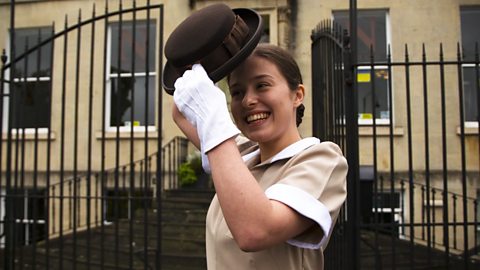
Norland College produces elite child carers who work for royal families and can earn more than doctors.
The Travel Show finds out if it's still possible to get from Istanbul to Paris by sleeper train.
Katty Kay on whether phones, social media, and algorithms are actually making our attention span worse.
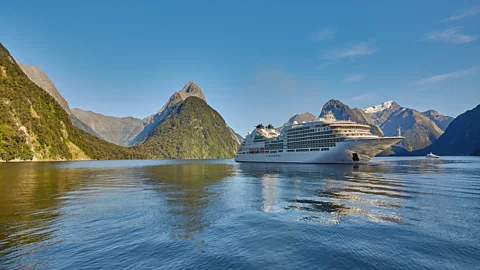
Tech Now climbs aboard an electric boat to find out how Norway is boosting green tourism.
Gordon Ramsay says that Joan Collins has forgiven him for asking her and a food critic to leave his restaurant.
A new generation of Chinese goods are riding a new wave as they become globally recognisable brands.
Three centuries ago, a Spanish ship sank off the coast of Colombia but its treasure has never been recovered.
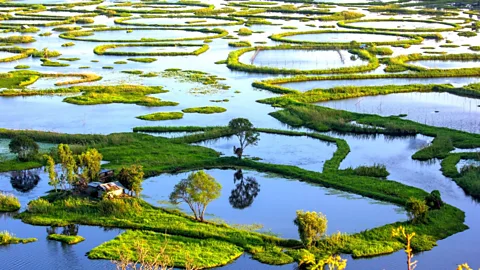
Loktak Lake in India is a living mosaic of floating islands home to the only floating national park on Earth.
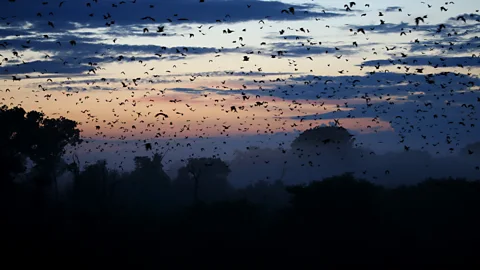
The Travel Show goes to Zambia's Kasanka National Park during the world's largest mammal migration.
Katty Kay on why many school schedules haven't become longer, even though more parents have full‑time jobs.
Tech Now witnesses a rocket launch at Esrange Space Centre, a key player in Europe's unfolding space race.
Charli XCX reveals her parents used to go to raves with her when she performed as a teenager.
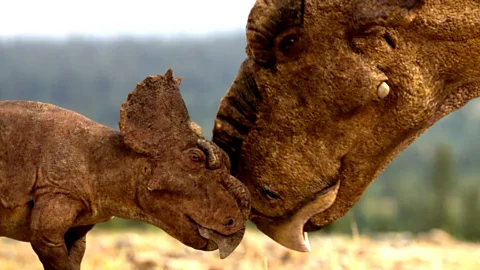
For a baby Pachyrhinosaurus, staying close to the herd is the only way to make it through the wilderness alive.
A small Slovenian Alpine company has become a giant of ski jumping with its world-beating equipment.
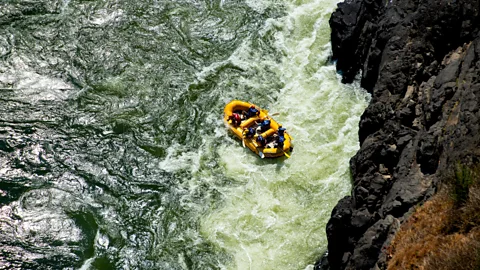
The Travel Show takes on Zambia's Victoria Falls, plunging straight into its wild rapids.
Katty Kay on the ongoing effort by some young people to revive the landline phone for the digital era.
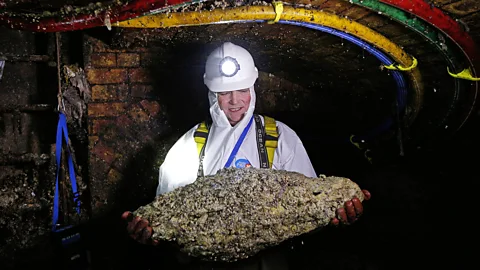
Tech Now investigates how AI is exposing the hidden world of fatberg formation in Britain's sewers.
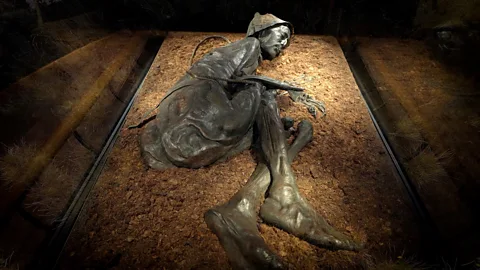
Denmark's Tollund Man and Grauballe Man are two of the best-preserved bodies from the ancient world.
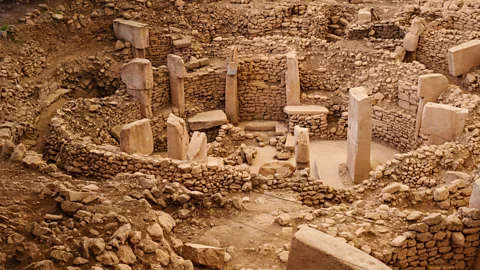
Göbekli Tepe, an 11,500‑year‑old temple, offers clues to humanity's first steps toward settling down.