Train operator cracks down on fare dodgers

 BBC
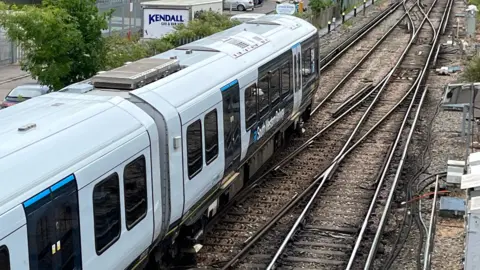
BBCA train operator says it is cracking down on fare dodgers who deliberately buy a ticket for only a small part of their journey.
South Western Railway (SWR) said there had been widespread misuse of electronic tickets by passengers.
The operator said it had estimated up to 95% of barcode tickets purchased for the four-minute journey between Vauxhall and London Waterloo were being used fraudulently by people who have travelled much further.
It said so-called short-faring or short-ticketing was putting £31m of revenue at risk.
Since June the company's trial has identified 153 short-faring offences, compared with seven during the same period last year.
The tickets, which can be bought and displayed on a phone, open the barriers at London Waterloo.
They are considerably cheaper than for long-distance journeys on SWR's network, which includes Devon, Dorset, Hampshire, Berkshire, Wiltshire, and Surrey.
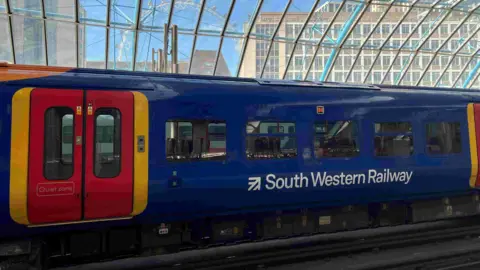
SWR said it was deploying more staff at Vauxhall to make sure all electronic tickets were scanned.
Those caught must pay a £100 penalty fare – halved if paid within 21 days – and buy a single ticket for their journey. Repeat offenders can be prosecuted.
Recent cases include a passenger who evaded £20,000 over three years while travelling between Surrey and London.
Another owed more than £11,000 after travelling from Hampshire to the capital for more than four years.
The trial has seen about one- third of short-faring passengers now purchasing the correct ticket for their journey.
However, some fare dodgers had adapted their tactics, with one alternative SWR station in London seeing an 89% increase in barcode ticket purchases, the operator said.
Matthew Winnie, SWR and Network Rail Wessex chief customer and commercial officer, said: "The overwhelming majority of our customers pay the correct fare.
"However, there's growing evidence of some people deliberately exploiting the system – a criminal offence that deprives the railway of hundreds of millions of pounds each year."
He said every fare avoided was money that could not be reinvested into improving its services.
Industry body the Rail Delivery Group estimates between £350m to £400m of annual fares revenue is lost to fraud and ticketless travel each year.
SWR said fare evasion had cost it about £40m annually but that it had cut the practice by 67% since 2017.
