Ambulance trust to take fewer patients to hospital

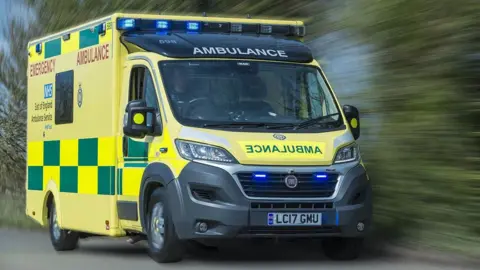 East of England Ambulance Service
Sending every patient to hospital is an "outdated" approach to delivering healthcare and no longer the most effective process, an NHS ambulance trust said.
The East of England Ambulance Service (EEAST), which serves Bedfordshire, Cambridgeshire, Essex, Hertfordshire, Norfolk and Suffolk, made the claim as it launched a new strategy to treating patients.
The trust's Patient Plan included that hospitals would no longer be the default destination for patients if it was safe for them to instead receive care closer to home.
The trust said it hoped the new protocol, which will be implemented by 2030, would see its ambulance response times improve.
Simon Chase, the chief paramedic at ambulance service, said the changes would ensure "patients get the right help first time".
"An ambulance journey to hospital is not always the best option. What matters is getting the right care, quickly and safely.
"This plan will aim to deliver faster responses for the sickest patients, clearer advice when people call us, and more support closer to home where it is safe to do so," he added.
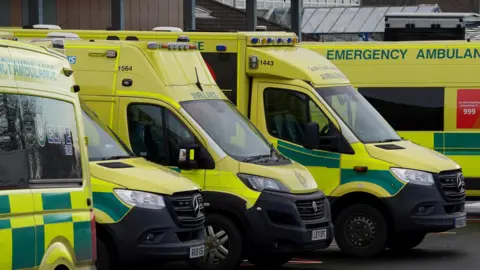 PA Media
The trust said specialist clinicians would be involved in patient care earlier, clearer advice would be provided and life-threatening emergencies would be responded to sooner.
This new system, the trust said, would reduce delays, avoid "unnecessary" hospital visits and improve care for those in greatest need.
The trust's Patient Plan detailed that the new approach could improve survival rates for those in cardiac arrest.
"By sending ambulances only where they are truly needed, EEAST aims to reduce waiting times for its most critical patients," the trust said.
"The plan also sets out closer working between ambulance services, GPs, hospitals, mental health services and community teams.
"Services such as 999 and 111 will be more closely linked, so patients receive consistent advice and are directed to the right support from the start."
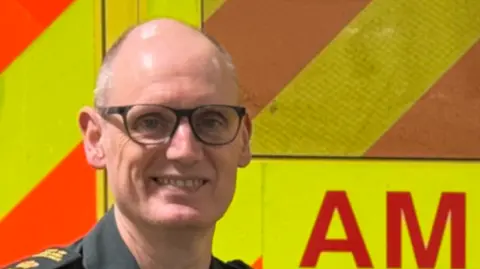 East of England Ambulance Service
According to the Patient Plan, for this new approach to be achieved within the next four years the service will need to change its systems, workforce and ways of working.
Senior and enhanced practice roles for higher trained staff will be increased and training across 111, 999 and telephone helplines will be improved.
The trust said it would also look to improve recruitment and workforce staff planning, strengthen leadership and mental health support, and create "clear clinical and non-clinical career development routes".
"We are supporting our staff with better training, stronger leadership and improved tools, so they can make confident decisions and provide high-quality care," added Chase.
The new plan comes six months after the trust declared its highest alert level due to "a huge spike in demand".
It received almost 24,000 999 calls in the week ending 30 November, rising by nearly 3,000 on the previous seven days.
Do you have a story suggestion? Contact us below.
Follow East of England news on X, Instagram and Facebook: BBC Beds, Herts & Bucks, BBC Cambridgeshire, BBC Essex, BBC Norfolk, BBC Northamptonshire or BBC Suffolk.
