Organised crime and historic sex abuse cases driving trial backlog

 BBC
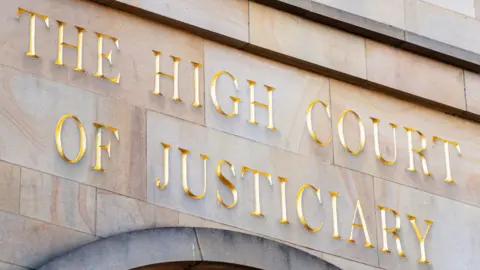
BBCThe backlog of trials in Scotland's highest criminal courts has nearly tripled, due in part to an increase in complex cases involving serious organised crime and historic sex abuse.
At the end of March about 1,000 trials were waiting to go ahead in the high court, almost three times the number before the Covid-19 pandemic.
In contrast, across the whole system, the number of outstanding scheduled trials has fallen to 13,268 - around a third of the backlog's peak in 2022.
Audit Scotland said progress was being made but the rise in high court cases was causing system-wide pressure.
Successful prosecutions against gangsters and sex offenders are leading to longer sentences and a prison population which keeps hitting new all-time highs, despite the emergency early release of hundreds of convicted criminals.
But for alleged victims, witnesses and the accused, the volume of business in the high court means delayed justice.
Audit Scotland, the public spending watchdog, said the Scottish government and other agencies were cutting the criminal courts backlog and modernising services.
But auditor general Stephen Boyle warned a lack of evaluation and public reporting meant it was difficult to know what was and what wasn't working.
He said: "In some cases, there are many years that people will have to wait for justice and the longer that is, the more impact that has on victims and witnesses.
"The case hanging over the accused can also have an impact on their employment prospects or their home setting.
"There's a clear programme of transformation, but we've seen varying pace of progress."
 Getty Images
An organisation which works with victims of crime has called on the new Justice Secretary Neil Gray to take action.
Debbie Adams, interim chief executive at Victim Support Scotland, said: "The reality is that thousands of people impacted by crime remain trapped in a state of uncertainty while awaiting trial.
"This means victims have their lives on hold for longer - having to preserve their traumatic experiences at the front of their minds for months, if not years, on end.
"Witness attrition, where witnesses drop out of a trial altogether, is a huge risk."
Audit Scotland said recent rulings could result in an increase in appeals from people convicted of sexual offences and a rise in the number of rape allegations that are prosecuted.
The agency highlighted a project called summary case management, which is reducing the number of trials heard by judges in sheriff courts.
It is resolving cases as quickly as possible through early disclosure of evidence, prompt discussions between the prosecution and defence, and proactive judicial involvement.
The service estimates that more than 100,000 fewer police officers and 3,000 fewer child witnesses have been cited to give evidence during the national rollout of the project.
The backlog of summary trials has fallen to 9,000 from a peak of over 30,000 during the pandemic.

The judge in charge of the project, Sheriff Principal Aisha Anwar KC said summary case management represented "a change in culture" and was down to collaboration at a local and national level.
Audit Scotland said there were ongoing discussions about whether a similar approach could be taken in solemn cases, which were held before a judge and jury in the sheriff court and high court.
The SCTS said the audit report recognised significant efforts made across the justice system to reduce the backlog in trials following the pandemic.
Paul McKinlay, executive director of court operations, predicted the growth in serious criminal cases would place further strain on the capacity and resources of the courts.
He said: "We will continue to work with justice partners to explore further improvements and make the case for sustainable resourcing in order to allow those improvements to be made."
'Temporary factors'
Scotland's leading defence lawyer Tony Lenehan KC, vice-dean of the Faculty of Advocates, said: "A number of factors have combined to increase the present trial load.
"Some of those factors are temporary but a sustained increase is expected.
"Where processes such as the Scottish Child Abuse Inquiry, and police improvements in sensitive case handling result in more people feeling able to complain about serious crimes, then that is positive development to which the criminal justice system in Scotland will no doubt adapt effectively."
Justice Secretary Neil Gray said the Audit Scotland report highlighted "significant progress made in reducing the court backlog" from its 2022 peak.
He added: "I am pleased that three of the recommendations have been achieved across such a complex landscape and recognise that there is more work to be done to strengthen delivery, transparency and reporting.
"I look forward to working with our partners to continue the work on reforming the justice system across Scotland."
