One in seven Devon adults has tinnitus - charity

 BBC
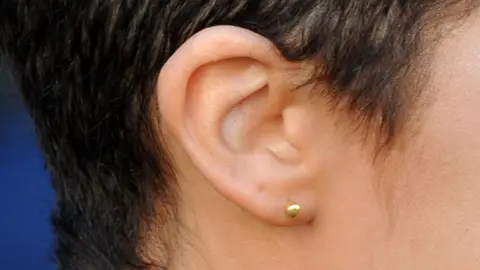
BBCAbout one in seven adults in Devon is living with the symptoms of tinnitus, according to a hearing charity.
Tinnitus UK said more than 100,000 people in the county had the condition, in which they experienced constant ringing or hissing sounds.
The charity added cases were on the rise in the South West due to an ageing population and as a consequence of noisy industries such as farming.
Danny Knight, from Tinnitus UK, urged people with persistent "ringing" to talk to a GP as they could feel "stress, anxiety, insomnia and sleeplessness" as "the brain tries to understand where the noise comes from". The NHS said support and treatment was available through through GP and acute services.
Nationally, more than 10 million people are thought to experience the condition.
The charity said problems with limited transport, patchy connectivity, and a lack of referral pathways meant many people in the South West were struggling to access support.
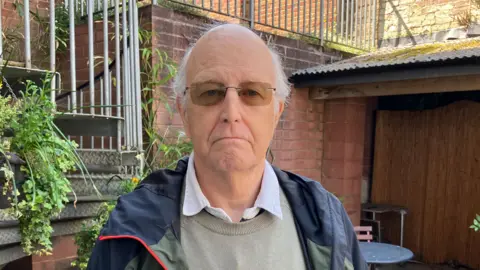
Steve Fabian, from Exeter, said his tinnitus "gets very loud" and described his symptoms as like a hissing snake which had affected his sleep patterns.
He said it could become "a battle between you and the stress of tinnitus".
He advocated finding support groups because "talking about it releases your emotions, it deals with your fears, and makes you realise you are not alone".
Lillian Arnold, from Chudleigh, said a "clicking" noise started in 2020 and said it could be really debilitating.
She said the experience provoked panic attacks "because you can't switch it off - it's there all the time, and you feel as if you are living in your head with this noise".
She also recommended people speak to their GP or reach out for support.
NHS Devon said: "We recognise that accessing services can be more challenging in some of Devon's rural and coastal communities, where transport links and digital connectivity can affect access to a range of public services, including healthcare.
"People experiencing tinnitus are able to access NHS support and treatment in Devon through GP and acute services, with clinicians supported by local referral guidance and information resources.
"In addition, patients can access advice and support through NHS online resources, including the NHS and MyHealth Devon websites.
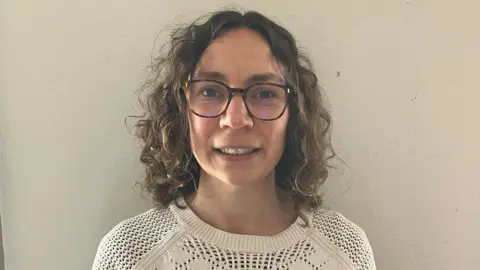
Sally Lavender, the hearing therapy lead at the Royal Devon and Exeter Healthcare Trust, said sufferers should get the chance to understand "they are not alone" and that the condition is "quite common" and can show improvements "over time".
Lavender also insisted people must seek out support by talking to family and friends, or if the ringing "is more bothersome, then go to your GP."
"The GP will then probably send you for a hearing check as sometimes hearing loss and tinnitus is linked."
Follow BBC Devon on X, Facebook and Instagram. Send your story ideas to spotlight@bbc.co.uk.
