Nine-day strike which brought Britain to a standstill

 Getty Images
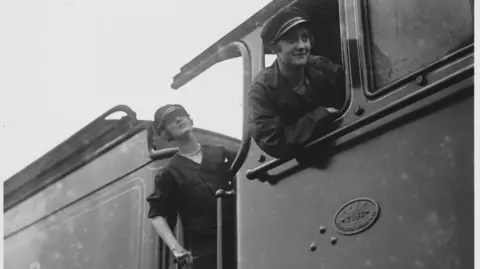
"Not a penny off the pay, not a minute on the day" was the slogan of the 1926 UK General Strike, reflecting united resistance to proposed wage cuts and longer hours for coal miners.
Beginning at one minute to midnight on 3 May, the strike - called by the Trades Union Congress (TUC) - lasted just nine days, but brought Britain to a standstill.
It started with coal miners, who were fighting a dispute over the introduction of longer working hours and a pay cut, but in total more than two million workers withdrew their labour in support, including transport workers, dockers and printers.
The dispute divided communities. Many backed the striking workers, while others, including students and wealthier families, volunteered to keep essential services running.
A university's archive and a family-history website have documented how the action shaped the lives of workers and ordinary citizens.
 Getty Images
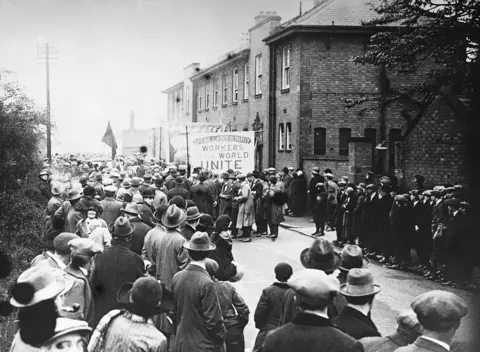
A state of emergency was declared by the government on Saturday 1 May, which coincided with a huge rally in central Birmingham where then Labour politician, Oswald Moseley, addressed crowds of thousands clamouring for a strike.
As soon as the action was called by the TUC, councils worked to set up emergency committees, opening up registers for volunteer workers to help maintain law and order and keep essential services running.
 Morganfourman.com
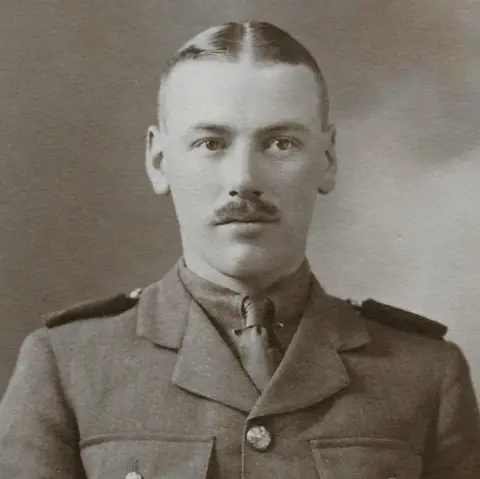
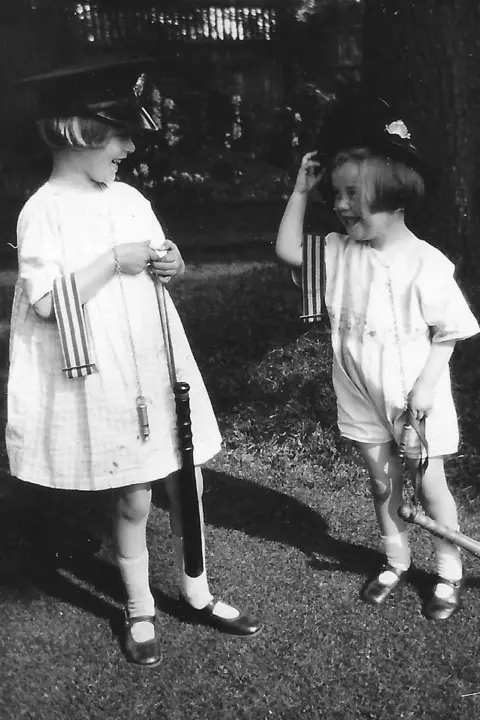
Thousands stepped forward in Birmingham, among them Noel Downing.
Living in Edgbaston with his wife Molly, and three daughters, he volunteered as a special constable.
Molly's diary traces her husband's movements during the nine days of dispute.
Much of his service was spent on "motor patrol duty," as they were a, relatively privileged, car-owning family.
On the first day of the industrial action she noted that there were "no trains and no London papers," available.
A few days later, on 8 May she recorded that her husband had been called to Broad Street in the city.
The night before, police had raided the local headquarters of the Communist Party which had been responsible for publishing The Birmingham Worker, one of many daily strike bulletins produced in the absence of newspapers.
Later in the strike she wrote that Noel had spent the afternoon with police at Ladywood, and she had walked down to Hagley Road "to see the strike" but was home in time for tea with the children.
 Morganfourman.com
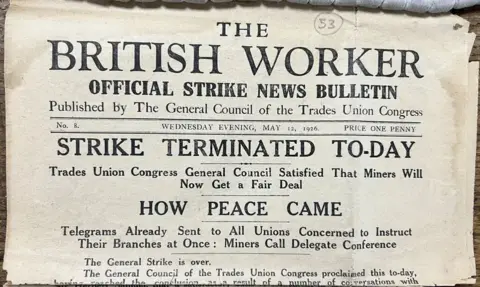
The strike was called off on 12 May and on 14 May, Molly recorded there being a "strike second settlement" with the workers defeated.
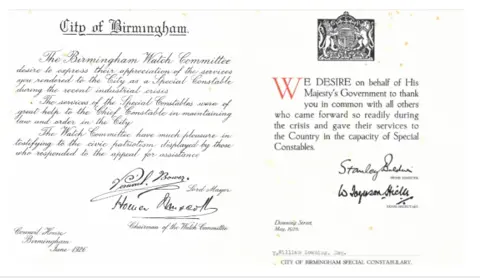
For his two weeks' service Noel, cited as "William Downing", received both a certificate from No 10 Downing Street and also from the Birmingham Watch Committee, thanking him for his service.
He stayed in the special constabulary until 1945.
 Morganfourman.com
Unique archives held at the Modern Records Centre, University of Warwick, also help to tell the story of the largest industrial dispute in Britain's history, said archivist Liz Wood.
The selection of material was a "showcase" of the collection, illustrating events that affected people across all walks of life," she added.
Hundreds of documents, including strike bulletins, BBC News reports and internal reports produced by the strike co-ordinator have been made available through the free digitised collection.
"Printing workers went on strikes and newspapers were only patchily available, so one of the big elements of the material we put online is how people found out information about what was going on. In most cases that was through emergency bulletins or the wireless."
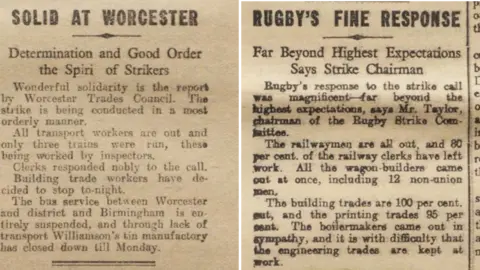
Records show unions reported at the beginning of the strike that there had been a "magnificent response", by workers in Rugby, Warwickshire, and action was "solid at Worcester".
The Worcester Trades Council reported building trade workers had joined the strike there, and a lack of transport had closed Williamson's tin factory.
 Modern Records Centre, University of Warwick
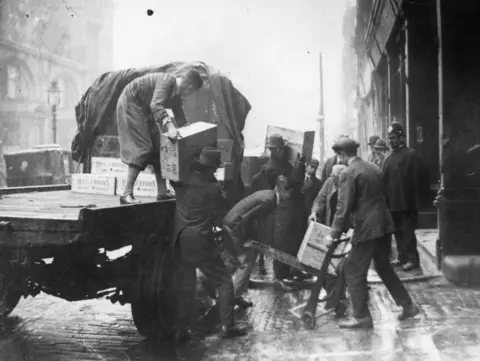
A strike report from the Stafford Trades Council said only food transport and "four pirate buses" were able to run under police protection.
Engineers at motor firms in Wolverhampton had also downed tools, as well as "splendid reports from Shrewsbury, Wellington and North Stafford districts".
The strike was "the best example of solidarity Lichfield has ever seen," according to another report.
"I think this has been the means of cementing us closer together, and goodness knows we need it," the report said.
 Getty Images
On day two of the strike, Wednesday 5 May, the BBC reported people were remaining "calm and confident" however minor disturbances had started to be recorded including in Stoke-on-Trent.
But as the strike progressed violent clashes were reported in towns and cities across the UK.
Those arrested on public order offences were treated harshly, including Mrs Lawrence, arrested on 11 May in Wolverhampton accused of breaking the window of a bus by throwing a stone.
Despite her denial, the defendant was convicted and sentenced to 14 days' imprisonment with hard labour - no option of a fine being given.
On the 12 May, a bulletin reported police had dispersed a mob in Birmingham, trying to hold up vehicles.
A man had also been arrested in the city for inciting the crowd to assault the police and for assaulting a civilian assisting the police. He was handed six months' hard labour.
And in Stoke-on-Trent two men were sentenced to one month's hard labour each for interfering with a train.
 Modern Records Centre, University of Warwick
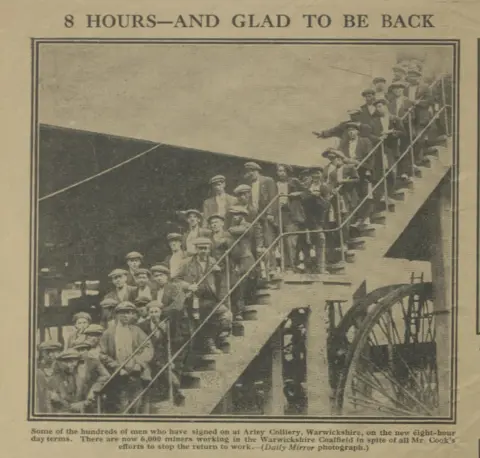
By 11 May in Birmingham, with the strike beginning to falter, many bus and rail workers had returned to work.
And, a day later, nine days after it began, the TUC, which had been holding secret talks with the mine owners, called off the strike without a single concession made to the miners' case.
Stanley Baldwin's government had won and a year later passed the 1927 Trades Disputes Act, which banned sympathy strikes and mass picketing.
 Modern Records Centre, University of Warwick
However the strike was one of the "most significant moments in the history of the labour movement", said the TUC.
"It left a lasting mark on the relationship between workers, employers and government and helped shape the world of work we know today," the organisation said.
Follow BBC Birmingham on BBC Sounds, Facebook, X and Instagram.
