Man has lived 49 years since teen cancer diagnosis

 Cancer Research UK
A man who has lived for nearly 50 years following his cancer diagnosis as a teenager wants to offer hope to other young patients.
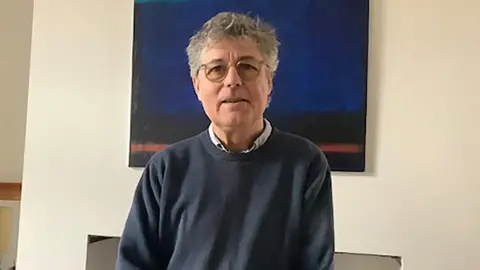
Peter Gillatt, 67, from Southwold, is supporting Cancer Research UK's Teenage and Young Adult Cancer Awareness Month by sharing his experience of surviving cancer aged just 18.
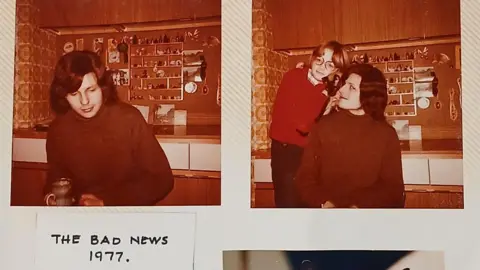
Gillatt was finishing his A-levels in the summer of 1977 when he was diagnosed with Ewing sarcoma, an aggressive bone cancer.
He said: "The five‑year survival rate wasn't great when I was diagnosed, but it has improved so much over the years and that should be celebrated - not only for patients, but for their family and friends."
 Cancer Research UK
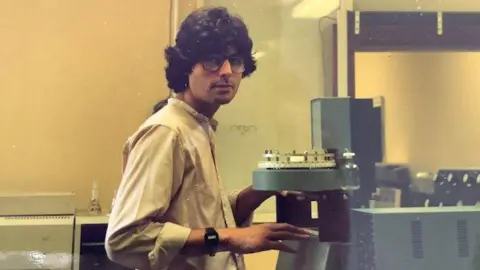
Forty‑nine years ago, Gillatt was preparing to start a chemistry degree at Sheffield University when, while camping at Reading Festival, he noticed an unusual numbness in his left arm.
At first, he dismissed it, but the symptoms quickly worsened.
Soon after arriving at university, a chest X‑ray revealed a large mass. Further tests revealed bone cancer had eroded two ribs and damaged the nerves controlling his arm.
Gillatt began intensive treatment at Addenbrooke's Hospital in Cambridge, undergoing a year of chemotherapy and a month of radiotherapy.
Follow‑up scans in 1979 showed no evidence of disease, but surgeons later removed two ribs, part of his left lung and surrounding tissue as a precaution.
Aged just 20, Gillatt was finally told he was cured.
 Cancer Research UK
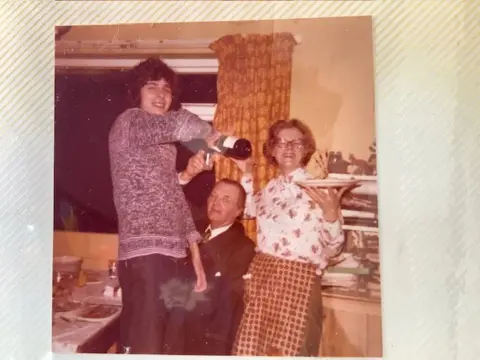
He said: "I was admitted to Papworth Hospital near Cambridge. I was under the care of Sir Terence English, who had recently conducted the first heart transplant in the UK. I remember the first ward round at Papworth and how kind and considerate he and the other people were."
Once free from cancer, Peter completed his degree and went on to build a career in biomedical and food research before serving in central government.
He considers himself fortunate that his early symptoms prompted the investigations that saved his life.
It has not all been plain sailing. He has faced heart problems that doctors think may have been caused by his treatment and he has never fully recovered the strength in his arm from the nerve damage his cancer caused.
However, he hopes that, by sharing his experience, he can help raise awareness of the challenges young people face when diagnosed with cancer and beyond and give hope to sufferers and their families.
Researchers continue to make progress with the disease but Gillatt said there was still "a long way to go to help transform what surviving cancer means for people like me through more effective and less toxic treatments".
 contributed
Cancers in young people are biologically different to those in children and older adults, so they need a specialised approach.
Cancer Research UK spokesperson for Suffolk, Patrick Keely, said: "Every year in the UK, around 240 young lives are lost to cancer and many who do survive are often left with life‑long impacts from their treatment.
"That's why initiatives like Teenage and Young Adult Cancer Awareness Month are vital to shine a light on some of the unique challenges faced by young people affected by cancer that our scientists are working to tackle.
"We're grateful to Peter for sharing his experience and helping to give hope to others. Cancer Research UK is committed to ensuring more teenagers and young adults live longer, better lives, free from the fear of cancer."
Do you have a story suggestion for Suffolk? Contact us below.
Follow Suffolk news on BBC Sounds, Facebook, Instagram and X.
