'We had to flee with just my daughter's clothes and dolls'

 Getty Images
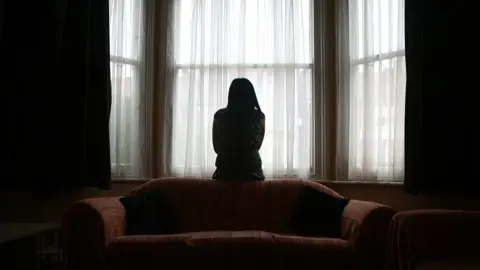
When Jodie and her daughter had to flee their hometown, they could only take what they could carry - two black bin bags filled with their belongings.
Jodie, then aged 30, found herself in Margate, Kent, with a seven-year-old child to take care of and no place to live.
"I had to leave everything," Jodie said. "The bags were mainly my daughter's clothes and her dolls."
Having left after feeling threatened, she chose the seaside town where they had been on summer and half term holidays, although it meant leaving her family and friends behind.
"I wanted to go somewhere that wasn't very alien for my daughter," said Jodie, now 42.
"It was still scary, but I had to be the strong one and protect her. I had to do it so that my daughter could have a life."
After a brief stay in council emergency accommodation, she said they spent a year sleeping on the sofas and floors of people she had met in Margate.
'Didn't feel worthy'
"You're honoured that they're giving you a roof over your head," Jodie continued. "But it wasn't nice. I didn't feel worthy as a mother - my child deserved stability and a roof over her head.
"It was also exhausting and confusing because I didn't know what our future was going to look like."
Jodie said she had felt alone during this time and her mental health had deteriorated, which meant she needed care from her young daughter.
"I didn't even know what day it was [or] who I was, because I was not settled," she said.
 Supplied
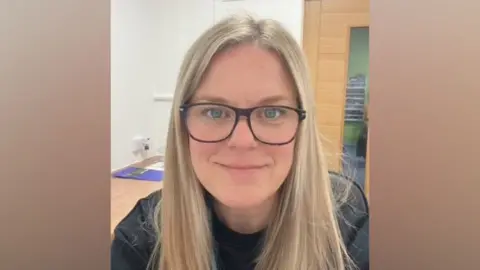
Cherisse Dealtry, CEO of the York Road Project in Surrey, said sleeping in cars, staying with friends or living in garages and other forms of hidden homelessness had been around "for a very long time".
"Anyone's going to try and support their family or friends to have somewhere to stay rather than see them sleeping on the street," she said.
Dealtry said the problem was on the rise as people were finding it "really difficult to find good accommodation at a reasonable price and a job that covers all the bills".
There had also been a surge in hidden homelessness as landlords evicted tenants before the Renters' Rights Act came into force, she said.
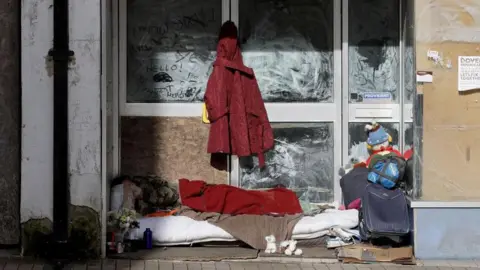
"The impact of homelessness, even if you're a sofa surfer, is really significant," Dealtry continued.
"Those affected face uncertainty, stress, poor mental health, difficulties maintaining employment, relationships, access to essential services – it's terrible.
"We see people coming through our door and they're absolutely broken."
The York Road Project, which supports those with housing and mental health issues, said: "Homelessness is not a lifestyle choice. It's an indictment of a broken system."
The charity is calling on the government to increase funding to tackle the problem and build more social housing.
"There's not enough money in order to support people before they meet crisis point," Dealtry said.
She said the true extent of hidden homelessness may be larger than thought because it was hard to measure.
"It's hidden because you just don't know about it," Dealtry said.
"It is such a hard thing for people to accept that things aren't going so well. Asking for help is a really stigmatic thing to do - [you] get on with it and hope things will change.
"Everyone believes that when you become homeless it's your fault, but it's not. There are so many things that can factor in to what happens to someone."
 Getty Images
A spokesperson for the Ministry of Housing, Communities and Local Government said Prime Minister Andy Burnham had "set out a bold ambition to end homelessness and rough sleeping at the earliest opportunity".
"We've already announced an immediate £340m cash boost to support this ambition, which sits alongside our other work to fund vital support services and takes total investment to £3.9bn," they addded.
"We're also investing £39bn in the biggest long-term boost to social and affordable housing in a generation to support more people into stable homes."
Jodie said she and her daughter had been able to find proper accommodation with support from the charity Porchlight, where she now volunteered.
She said she was amazed with how far she had come, but added: "I still suffer from backache to this day from sleeping on the sofa... and the floor."
Follow BBC Surrey on Facebook, X, and Instagram and listen to BBC Radio Surrey on Sounds. Send your story ideas to southeasttoday@bbc.co.uk or WhatsApp us on 08081 002250.
