Gardens on at-risk list subject to management plan

 BBC
BBCA new five-year management plan has been drawn up for gardens on Historic England's at Risk Register.
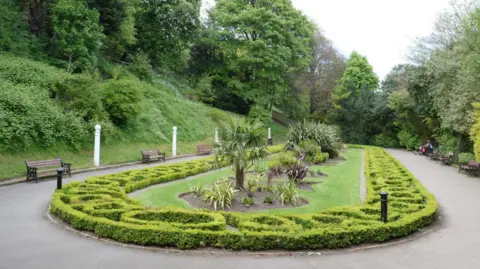
The state of Saltburn's Grade II listed Valley Gardens was criticised by independent councillor Philip Thomson, who in March said "fell well short of any acceptable level".
A briefing note for members of Redcar and Cleveland Council's environment and climate scrutiny committee, which was recommended to approve the strategy, said the plan would ensure the site remained "historically significant".
Objectives include to enhance biodiversity and wildlife habitats, preserve the landscape and features of historic interest and encourage community engagement.
Saltburn Valley Gardens was established in 1861 by Quaker industrialist Henry Pease as part of his vision for a refined Victorian seaside resort.
It was developed throughout the late 19th Century and features a formal Italian garden, play and picnic areas, a bandstand, tearoom and the Saltburn Miniature Railway.
Thomson's comments led Labour cabinet member for neighbourhoods Neil Bendelow to concede there was "insufficient budget" to undertake wider maintenance improvement works.
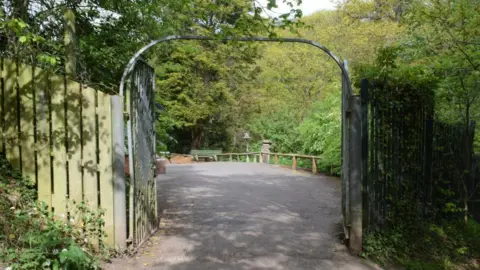
The briefing for councillors said key concerns included path erosion, overgrown vegetation, deterioration of historic features and a declining overall condition which restricted access and diminished the site's heritage value, the Local Democracy Service understands.
It also added increasing maintenance demands and limited resources presenting ongoing challenges in sustaining the site to the required standard.
The management plan will be formally reviewed every five years, with annual monitoring reports to assess progress and emerging priorities.
