Council opposes wind farm near three Iron Age hillforts

 Walter Baxter
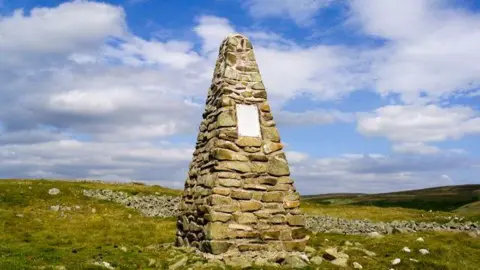
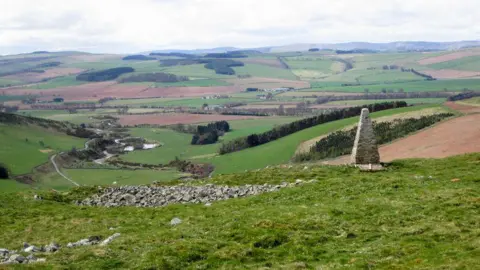
A council has agreed to oppose plans for a wind farm in the Lammermuir Hills near to where three Iron Age hillforts once stood.
Developer TagEnergy wants to build 12 turbines as part of its Glenburnie project, near Oxton.
Hawick and Denholm councillor Neil Richards told Scottish Borders Council's planning committee: "It would be a scandal to develop anywhere near these hillforts."
It agreed to object to the plans which is likely to trigger a public inquiry into the proposals.
The scheme has been scaled back since it was first proposed but councillors still had concerns about its impact.
Members of the planning committee carried out a site visit themselves last week in order to fully understand the potential impact on the area.
Tweeddale West councillor Viv Thomson said: "When you are standing in this landscape you understand how important these hillforts are."
The proposal originally consisted of 19 turbines and was called the Longcroft wind farm.
A report to councillors recognised the contribution that the project could make towards meeting climate change objectives and emission reduction targets and its net economic effects.
It also stated that the revised plans would not result in widespread significant landscape and visual effects.
 Jim Barton
The area of concern for the council, however, was the "significant adverse effects" on the setting of the three hillforts.
A report said the scale of the turbines - 220m (720ft) in height - would "dominate key views" which were "integral to the setting of these scheduled monuments and their cultural appreciation".
It concluded that "no exceptional circumstances" had been shown to justify such impacts nor had any mitigation measures "reduced the impacts to tolerable levels".
TagEnergy took over ownership of the project from RES last year.
Jim Cameron, senior development project manager, said: "Naturally we are disappointed that an objection has been raised to the Glenburnie Wind Farm proposal.
"Throughout the considered development process we have responded carefully to feedback received from consultees and the local community.
"This has involved making significant changes to the proposal, including the removal of the seven turbines closest to Lauderdale."
He said the revised scheme would deliver a £69m boost to the Borders including a community benefit fund worth close to £20m.
