CQC finds 'shortfalls' in snap hospital inspection

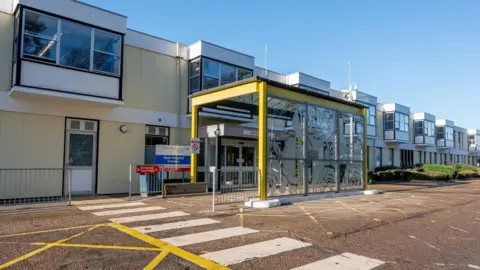 The QEH
A health watchdog said it had found "significant shortfalls in the standard of care" at a hospital during an unannounced inspection.
The Care Quality Commission (CQC) visited The Queen Elizabeth Hospital (QEH) in King's Lynn amid concerns around "emerging risk" and the time since the last assessment.
QEH spokeswoman Jo Segasby said: "This report contains serious findings and we fully accept them, including the warning notices issued by the Care Quality Commission."
Sarah Ivory-Donnelly, CQC deputy director of hospitals in the East of England, said inspectors had found a decline in "safety and quality of care".
Ivory-Donnelly also said that the hospital trust needed to do more to reduce waiting times in urgent and emergency care.
People told the inspectors that they did not know who to report problems to but felt safe and able to raise a concern if they needed to.
They also said patients often waited for long periods for help when a call bell was rung.
The inspectors were told "staff are under pressure", "call bells go on and on, day and night" and "it fluctuates, depends on if staff are busy and then there's a delay".
The report said: "Patients told us that although they may experience long wait times, staff were approachable and they felt listened to and cared for."
Inspectors also said pain was not always "documented as checked by staff at regular intervals".
The CQC gave the hospital the overall rating of "requires improvement".
The QEH opened in 1980. It has approximately 500 beds and employs over 4,000 staff.
Inspectors raised hygiene concerns and observed some staff not washing their hands following patient contact, despite handwashing facilities being available.
In December, a review of surgical care at the QEH uncovered a toxic culture that risked patient safety.
In the recent report, staff had told inspectors that they did not always feel supported by leaders and reported a culture that was not always supportive.
The last NHS staff survey showed that over 50% of all staff did not feel supported, listened to or encouraged by their manager, said the report.
Some staff groups said they were "actively discouraged" to raise concerns as there was a need to maintain professional working relationships, the report said.
Data provided from 2024 showed that ethnic minority staff reported a higher experience of discrimination from patients, as well as their manager or colleagues, than white staff, the report also stated.
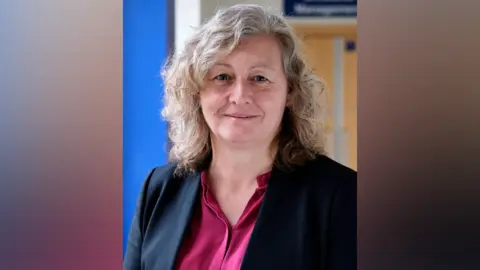 The QEH
Segasby, group chief delivery officer for the Norfolk and Waveney University Hospitals Group, added: "We understand why this report may affect confidence in our services.
"Our focus now is on addressing the concerns identified by the CQC and delivering the improvements that our patients and communities rightly expect."
Do you have a story suggestion for Norfolk? Contact us below.
Follow Norfolk news on BBC Sounds, Facebook, Instagram and X.
