Fears energy bill rise mean people 'surviving rather than living'

 BBC
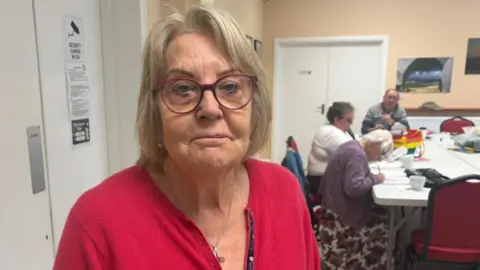
BBCPeople at a community centre in one of the most deprived parts of Lancashire said they are afraid they will not be able to afford a 13.5% hike in energy bills next month.
Average household energy bills will rise by £221 from 1 July, a 13.5% increase on the previous quarter and 79% higher than before the energy crisis began in winter 2020/21, under the latest cap announced by energy regulator Ofgem.
"It will affect a lot of people in Bacup, particularly the elderly," Jules Pritchard, class leader at the ABD Centre in the Rossendale Valley, said.
A government representative said tackling the affordability crisis is its "number one priority".
Bacup has the highest levels of deprivation in the Rossendale Valley according to English indices of deprivation 2025 statistics.
"They're trying to survive and I think a lot of them are surviving rather than living, which is a very sad place to be," said Pritchard, who teaches an arts and craft class to around 20 people.
"You've worked all your life, you shouldn't just be surviving, you should be living comfortably and the way the world is at the moment, that's not happening."
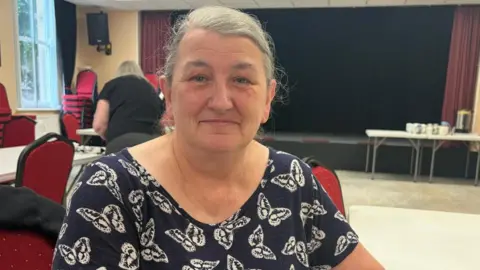
Community centre user Alison Grant, 61, from Weir said she was "very anxious and very worried".
"I don't know where the money will come from," she said.
"I have a meter and a smart meter, but you might as well call it an anxiety meter.
"You're watching it constantly to see how much is on the meter until your next payday."
The increase for those on variable deals comes as the higher wholesale costs, faced by suppliers, feeds through to bills.
The conflict in Iran scuppered Bank of England UK inflation targets of 2% over the next five years.
Regulator Ofgem said the war means a household using a typical amount of gas and electricity will pay £221 more a year, with an annual bill of £1,862.
"It's a juggling act," Alison said.
"My food's gone up, the petrol for my car to get me to work. It's relentless."
According to the Office for National Statistics, 66% of adults reported their cost of living had increased compared with a month ago with the most commonly reported reasons being the price of food shopping, the price of fuel, and gas or electricity bills.
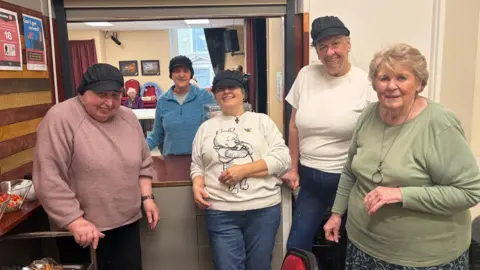
"Whoever you are your shopping bill has gone up," June Divine, who runs a weekly luncheon where people can eat at cost price, said.
"Everything has just rocketed."

In a statement a government representative said:
"We have taken £150 of costs off energy bills for the years ahead and extended the Warm Home Discount to around six million households.
"We are also freezing fuel duty, rail fares, and prescriptions, increasing the minimum wage, and cutting VAT on family activities and children's meals this summer."
Listen to the best of BBC Radio Lancashire on Sounds and follow BBC Lancashire on Facebook, X and Instagram. You can also send story ideas via Whatsapp to 0808 100 2230.
