Green inhalers cut carbon emissions at NHS trust

 Getty Images
An NHS trust says switching patients to lower‑carbon inhalers has cut emissions linked to asthma treatment.
Oxford University Hospitals NHS Foundation Trust (OUH) reported an 18% drop in emissions from inhalers prescribed across its four hospitals over the past year.
The reduction is estimated at about 300 tonnes of carbon dioxide equivalent after changes to prescribing, training and disposal practices.
The trust said patients are only switched where it is "clinically safe and effective to do so", emphasising care quality and patient choice.
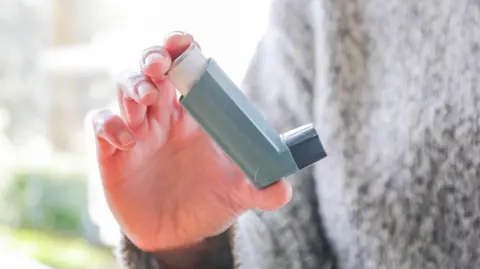
Pressurised metered dose inhalers, often called puffers, use propellants that are potent greenhouse gases.
Dry powder inhalers, which do not rely on these propellants, typically have a much lower environmental impact.
OUH said it has increased staff awareness to help clinicians discuss inhaler options with patients.
It has also introduced guidance to improve how inhalers are used and disposed of safely.
'Achieve both'
Project lead Sarah Poole said it "shows that we don't have to choose between high‑quality patient care and protecting the environment - we can achieve both".
"For many patients, switching to a dry powder inhaler is clinically appropriate and significantly reduces carbon emissions."
She added that "making sure people feel confident using their inhaler properly" was "just as important".
"Good inhaler technique supports better health outcomes and helps avoid unnecessary additional treatment, which also reduces our environmental footprint."
