Hundreds of inmates caught hiding drugs - watchdog

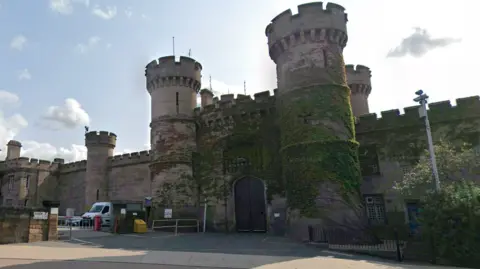 Google
Hundreds of inmates were caught hiding illegal drugs at a struggling Victorian prison last year, a watchdog has found.
In the latest review of HMP Leicester, which took place from February 2025 to January 2026, the Independent Monitoring Board (IMB) found former inmates were under pressure to smuggle in drugs when they were recalled to the jail.
The IMB said body scanners caught 266 people attempting to conceal drugs as they moved through the jail, and broken cell windows made it easier to deliver drugs by drones.
The Ministry of Justice, which runs the Category B prison in Welford Road, said inspectors recognised "important progress" was being made.
During the review, the average number of inmates at the 19th Century prison was about 325, but it reached capacity of 332 several times in the year.
The IMB stated the prison was operating under significant structural pressure, with problems linked to overcrowding, ageing facilities and high turnover of inmates continuing to undermine progress.
It said drones were used at night to deliver illegal drugs to inmates through their cell windows, sometimes through holes in Perspex cell-window covers.
Also, 25% of mandatory drug tests proved positive, and 298 inmates were found to be under the influence of drugs.
The report stated: "This continues to demonstrate a significant amount of illegal drug use."
Between 60 and 80 inmates, at any one time, were receiving methadone treatment for addiction, and were often given emergency medication for overdoses to carry upon release, it added.
The IMB also warned of serious concerns around resettlement, with 38% of inmates released without accommodation, up from 33% the previous year.
It said this was partly because supported accommodation in Leicester was "consistently full", increasing the risk of reoffending and urged the government to expand the provision to meet demand.
Mental health provision remained under pressure, with delays transferring severely ill inmates to secure hospitals - which exceeded the 28‑day target.
About 40% of prisoners did not have access to work or education, following a 50% cut to education funding, leaving many spending long periods locked in their cells.
The report found in some cases, inmates spent up to 22 hours a day in "cramped cells".
'Safety improving'
The IMB said despite pressures, there had been some improvements in safety and work had been approved to replace all the cell windows, which was anticipated to start later in the year.
Incidents of self-harm fell by 17%, following a 33% drop the previous year, and there were no deaths in custody.
Violent incidents also fell by 22%, although levels remain high compared to similar prisons and there was a drop in the number of weapons and mobile phones.
The prison's leadership was praised for trying to maintain standards in difficult circumstances, and staff interactions with inmates "remain a key strength".
IMB chair Kevin Moody said: "Safety in Leicester prison is improving for all who reside and work there.
"However, the board is concerned that prisoners are not being equipped with everything they need to stay out of trouble when they are back in the community.
"Without stable accommodation men may struggle to access the support they require, and any increased likelihood of reoffending simply puts these men and the public at further risk."
A Ministry of Justice spokesperson said violence and drug use at HMP Leicester were coming down.
"We work closely with the local authority on finding accommodation, introduced a new 28-day time limit for hospital transfers, and have invested up to £300m in prison and probation service maintenance in 2026 to help improve conditions and keep prisons safe and secure," the spokesperson added.
Listen to BBC Radio Leicester on Sounds and follow BBC Leicester on Facebook, on X, or on Instagram. Send your story ideas to eastmidsnews@bbc.co.uk or via WhatsApp on 0808 100 2210.
