'Many rough sleepers trying to get back on feet'

 BBC
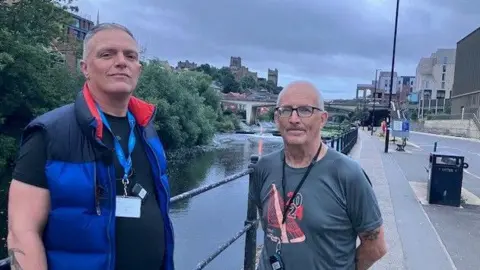
BBCA former rough sleeper now working to help others has said many members of the public have misconceptions about homeless people.
Tony Jones found himself living on the streets for a year after a marriage break-up and a decade later the 65-year-old from East Boldon, South Tyneside, is employed as an outreach worker.
He said people often thought everyone on the streets was an alcoholic or drug addict but that was not the case, adding: "There's a lot of people out there trying to get back on their feet."
Prime Minister Andy Burnham recently pledged to "end long-term rough sleeping" and promised an extra £340m for housing and support.
A recent government survey suggested rough sleeping was rising faster in north-east England than other parts of the country, with 162 people in the region sleeping on the streets on a single night in the autumn of 2025 – up from 124 in 2024.
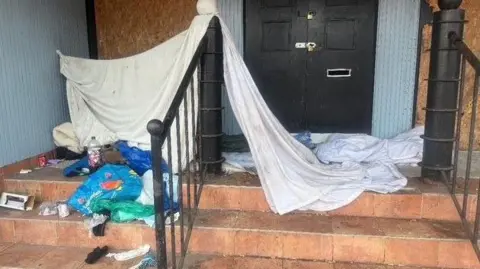
Jones and fellow outreach worker Gav are employed by homelessness charity Emmaus North East, which is funded by Durham County Council to work alongside its rough sleeping team.
Jones said his personal experience of the issue made it easier to talk to homeless people as he knew "some of the things they've been through".
Regarding public perception, he said: "As far as they're concerned, anybody who is homeless they're either a drug addict or an alcoholic.
"Yes, some might go down that road, but it's not always the case.
"There's a lot of people.. out there trying to get back on their feet."
A morning shift starting at 04:00 BST saw them visit 21 locations where rough sleepers had been reported, including spots in Peterlee, Spennymoor and Durham.
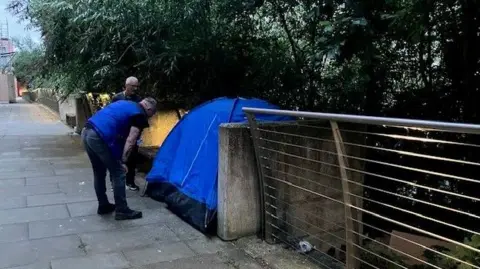
One of the people they spoke to was a 56-year-old living in a tent, who told them he had become homeless after a family disagreement.
"He's been rough sleeping for four weeks...[and is] in quite bad mental health", Gav said.
"You can tell he was quite down, he's eager to engage and get himself off the streets.
"We try to make contact with the rough sleeper, get them verified, pass their details to the council, then get them sorted."
Emmaus North East's chief executive Ruth Parker said rough sleeping was a growing problem.
"A huge factor is the lack of affordable homes and the fact that there's been no council and social housing built, or very little, in recent years," she said.
"I think we're still feeling the impact of the cost of living crisis and the impact of the pandemic, and more complex mental health issues that people have faced since then."
Durham County Council's housing access and independent living manager Matthew Edwards said the local authority provided a range of services to tackle rough sleeping.
He said those services aimed to "prevent people from becoming homeless", improve the access and supply of accommodation, ensure appropriate support was available and reduce rough sleeping.
A government spokesperson said the extra funding announced by the prime minister was the "first phase of investment in a wider five-year programme that will provide homes and support for thousands of the people facing the most severe and long-term homelessness".
