UK butterflies declining after 50 years of data

 Iain H Leach
A volunteer-led survey spanning half a century has revealed that more than half of the UK's butterfly species are in decline.
Figures from the UK Butterfly Monitoring Scheme show 33 of the country's 59 species have fallen since 1976.
The scheme, by Wareham-based Butterfly Conservation and partners, has gathered more than 44 million records over a half-century of volunteer surveys.
Experts say habitat loss, pollution and climate change are driving long-term declines, particularly among rarer species.
The monitoring programme, the largest of its kind in the world, has tracked butterflies across more than 7,600 sites, with volunteers walking the equivalent of 40 times around the globe.
While some adaptable species have increased, those reliant on specific habitats such as woodland or chalk grassland are struggling.
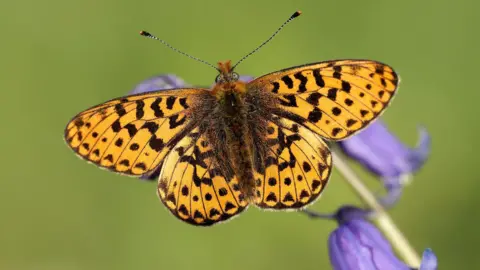
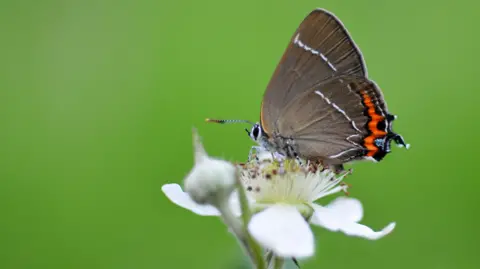
The Pearl-bordered Fritillary has declined by 70% since records began, while the White-letter Hairstreak has fallen by 80%.
By contrast, species like the Red Admiral have thrived, with numbers rising by more than 300% as warmer temperatures allow them to survive year-round in the UK.
 Gilles San Martin
Despite 2025 being the sunniest year on record, it was only an average year for butterflies overall, ranking 20th out of the past 50.
Professor Richard Fox, from Butterfly Conservation, said the figures showed "what type of wildlife is able to survive in the UK's modern landscapes".
He said restoring habitats was key to reversing declines, adding that conservation efforts were becoming "increasingly urgent".
You can follow BBC Dorset on Facebook, X (Twitter), or Instagram.
