Cold water shock warning as temperatures rise again

 Martin Giles/BBC
A forum that brings together emergency services is urging the public to be aware of the dangers of open water, as temperatures are expected to rise once more this weekend.
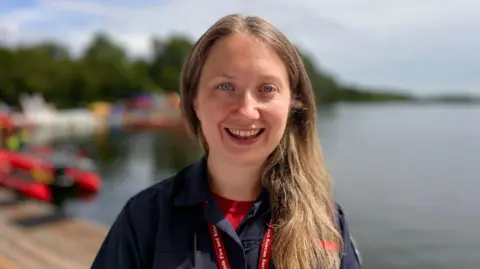
Lucy Goldsmith, co-chair of the Norfolk Water Safety Forum, said waters in the UK did not rise much above 16C, which is enough to experience cold water shock.
The group includes Norfolk Fire and Rescue Service, the Broads Authority, the RNLI and other partner organisations.
"That's mostly what we're seeing - some individuals going into the water and experiencing that [cold water] shock, and then not being able to get yourself out," said Goldsmith, who is also the fire service's prevention coordinator.
"Even if you're a strong, confident swimmer, these kind of hazards can put you at risk," she added.
There have been two deaths in rivers in Norfolk in 2026, both during May's heatwave, while there were nine accidental drowning deaths in the county last year, according to the fire service.
 Martin Giles/BBC
Goldsmith said this year there were more and more incidents of people getting into trouble at inland waters.
"Naturally, when the weather is a bit hotter, we do fancy getting out on the water and that's understandable, but it's worth noting that while the air temperature rises, the water temperature takes a little bit longer," she said.
'The water is a dangerous place'
 LDRS
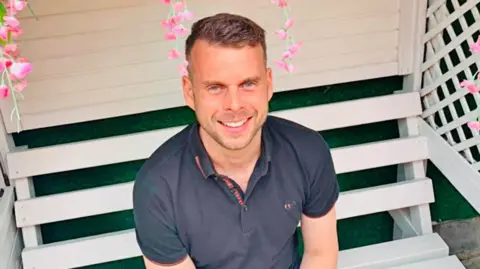
LDRSGavin Campbell, 42, was one of two men who died during May's heatwave.
He drowned after jumping into the River Wensum in Norwich in the early hours of 31 May after a night out.
His mother, Jane Mallice, described him as a strong swimmer, who swam in the sea at Great Yarmouth most nights after moving to the seaside town last year.
She previously pleaded with people not to "underestimate the strength of the water", adding: "The water is a dangerous place."
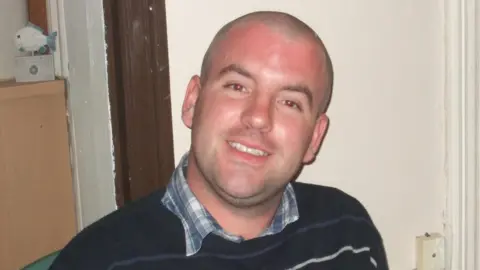
Greg Howes, 44, died after getting into trouble in the water on the Norfolk Broads on 29 May.
Divers recovered his body the next day.
His family have also urged people to take care on the water.
 Norfolk Police
Bring safety equipment
 Martin Giles/BBC
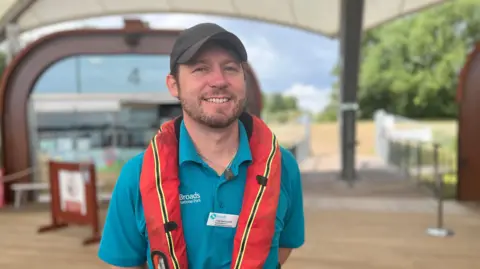
Tobi Radcliffe, waterways and recreation officer at the Broads Authority, said bringing the right kit, such as buoyancy aids on boats and paddle boards, was crucial.
A phone to call for help was also an essential aid.
"People think, 'I'm going kayaking, my phone might get wet', but that's your point of contact," he said.
"Just get a little dry bag for it or waterproof cases, and they're not that expensive at all considering it could be the bit that saves your life."
Marooned in seconds
 Martin Giles/BBC
Visitors are expected to flock to the beaches once the school summer holidays begin, says the RNLI in Norfolk, which guards nine beaches along the Norfolk coast.
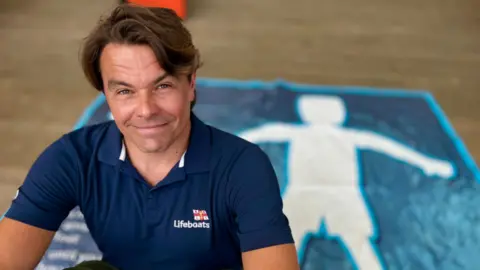
The RNLI's Nick Ayers, who is also co-chair of the safety forum, has encouraged beachgoers to make themselves aware of local issues.
"The North Norfolk coastline is really prone to interlocking sandbars - the water literally maroons you on an island and for people unaware of the risk it can happen in seconds," he explained.
The RNLI said during just one weekend in June last year, the Wells lifeboat team rescued 40 people.
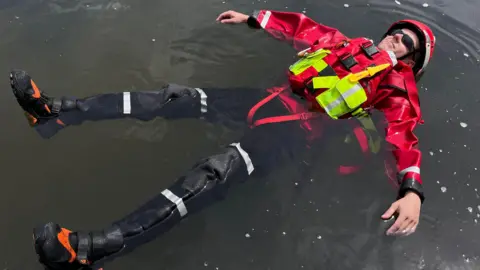
"If you find yourself in difficulty in the water, float on your back," Ayers added, promoting the RNLI's Float to Live manoeuvre, which has saved people from drowning.
"Don't enter the water after anybody, pick up the phone, call 999, ask for the emergency services."
Do you have a story suggestion for Norfolk? Contact us below.
Follow Norfolk news on BBC Sounds, Facebook, Instagram and X.
