Pride in Place £20m is 'once in a generation'

 BBC
BBCA community in Oxford is working out how to spend £2m a year over the next 10 years to help make every day life better for the people who live there.
Greater Leys, to the south of the city, is in the 10% most deprived areas in England, with people living on average 10 years less than their counterparts in north Oxford.
The area is one of 284 communities included in the government's Pride in Place programme, giving the neighbourhood the chance to spend £20m on projects that create opportunities and strengthens the local community.
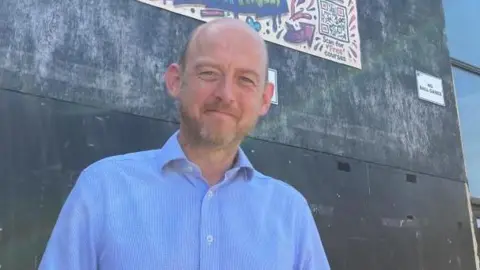
Chair of the Greater Leys neighbourhood board, Dan Wadsworth, described it as a "once in a generation chance to make a huge difference to the Leys".
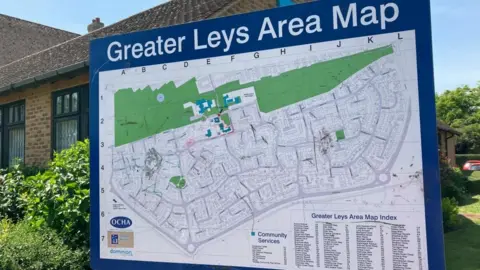
Greater Leys, which includes the Northfield Brook ward and some parts of Blackbird Leys, is predominantly a 1990s housing estate with a corner shop, health centre and community hall.
For Wadsworth, who lives in Greater Leys, the "grim" local statistics speak for themselves: "We have twice the national average of children living in poverty, people are three times more likely to go into A&E with self harm compared to the rest of Oxfordshire and we're likely to die 10 years younger than other parts of Oxford."
But Wadsworth says the residents are its greatest asset: "It's a real community atmosphere here. Even though there's deprivation, people come together and help each other out."
All spending decisions will be made at local level, through community representatives on a neighbourhood board.
For Greater Leys, the group is still being established, but Wadsworth already feels money could be better spent on supporting local services rather than on bricks and mortar.
"At the moment, the £20m is recommended as 70% for capital projects like buildings and sports equipment, and 30% on services, which could be for helping local charities," he said.
"We feel, at the moment, it might be better to swap that over. The demand is more on the services than the capital projects. We've got the buildings we need, we just need the services to go with them."
Legacy is also important. While the overall budget for Greater Leys is £20m, a change in government could lead to the project ending early.
Wadsworth is looking for ways to add to the funding pot, by engaging with local business and applying for grants to top up the amount available.
"What we don't want is a cliff edge. And so we're looking at ways of creating some sort of legacy so that people can benefit for years and years to come," he said.
The Greater Leys Regeneration Plan is due to be submitted for review by the government in November. If approved, the first funds will be received next spring.
The government describes the £5bn Pride of Place project as a "long-term strategy to fix the foundations in hundreds of communities across the country".
