Women asked for experiences of running harassment

 BBC
BBCWomen in Shropshire are being asked for their experiences of harassment while out running as police try to make it safer for them to exercise.
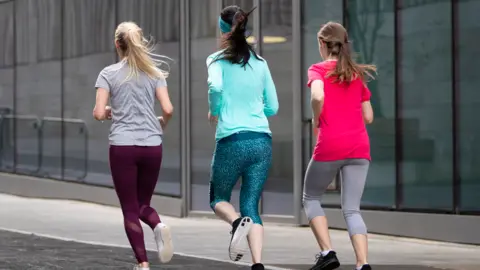
Nearly 70% of female runners have faced some kind of harassment, like catcalling, assault or intimidation, according to a survey carried out last year by the University of Worcester.
West Mercia Police started a project called Jog On to tackle the issue earlier this year and they said they wanted to hear from women to build a better picture of the issue in the county.
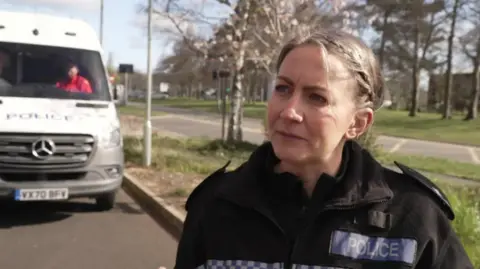
The harassment ranged from wolf whistling and the beeping of car horns, to sexual and physical assault, Det Insp Liz Warner said.
"They are tripped over, they have things thrown at them from windows," she added.
"The majority of what's happening to our female runners is sexualised comments and comments about their body - they're too fat, they're too thin - what people want to do to those bodies.
"It's really sad when really all these women are trying to do is run."
 Getty Images
Warner said she hoped the survey would "start the conversation" on the subject and discussing what was and was not appropriate, and she invited running clubs to use the survey.
Questions include: Where women might have experienced harassment, whether safety influences where they run and what measures they take to stay protected, like apps or tracking devices.
Launching the project earlier this year, female officers went out dressed as runners to identify cases of assault, catcalling, or sexually suggestive comments.
Warner said the size of the issue had not been fully identified because people did not think to report incidents to police.
"It's also going to be minimalised... because women are so used to adapting and changing their behaviour to stop these things from happening," she said.
"I'm sure that if women could run at night-time or down country lanes - do all the things that most would do without thinking twice about it - these experiences would probably increase as well."
She said police patrols could become more targeted as the survey asks people where harassment has happened.
Follow BBC Shropshire on BBC Sounds, Facebook, X and Instagram.
