Plans approved to build holiday pods at home of Robert Burns

 Collective Architecture
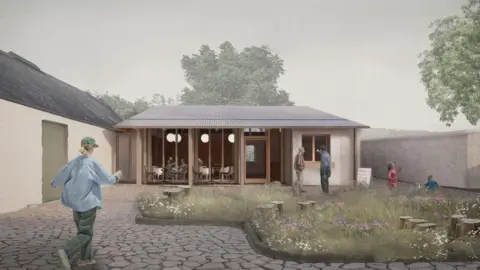
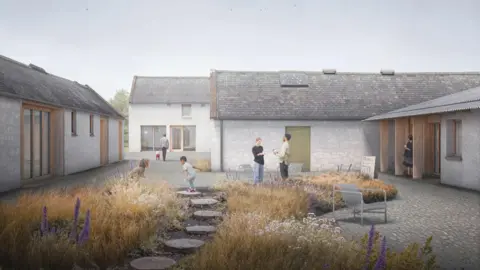
Dumfries and Galloway Council has approved plans to create eight bothy-like holiday pods at the family home where Robert Burns wrote Auld Lang Syne.
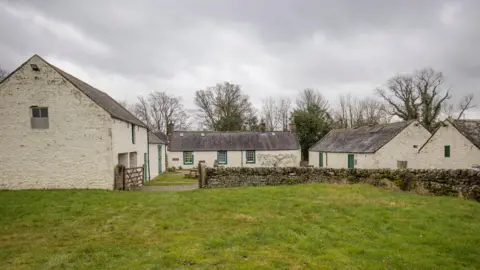
They are part of wider proposals from the Robert Burns Ellisland Trust (RBET) to overhaul and upgrade Ellisland Farm near Dumfries.
The trust is currently seeking to raise £12m to save the category A-listed buildings built in 1788.
The visitor accommodation on the site could be used as either a writer's retreat or for short holiday stays and would ensure a new revenue stream for the site.
 Axson for Robert Burns Trust (design by Collective Architecture)
The plans will also see every room in Burns' cottage opened to the public for the first time - currently only two rooms are accessible.
"The aim is not to transform Ellisland, but to make it more like the place Burns created," said RBET project director Joan McAlpine shortly before the plans were lodged.
The trust said the rooms Burns and his family occupied would be "meticulously recreated" and the cottage would be more as he had built it in the 18th Century.
The plans, developed by the Collective Architecture, also include:
- A new cafe behind the courtyard "designed in simple rural forms and natural materials"
- Staff facilities being moved from the original farmhouse into outbuildings built after Burns' time, which are currently under-used and dilapidated
- A barn built by Burns being adapted and insulated to become a new "centre for song" - a space for education and performance
- The granary building being upgraded to display Ellisland's collection of manuscripts and items that belonged to Burns' family
The trust said it wanted to create "the most authentic experience possible" of Burns' life at Ellisland.
McAlpine said: "Modern facilities are necessary if we are to safeguard the site for the future, but they are designed to sit quietly within the farmstead, not compete with it."
 Mike Bolam