Orgreave inquiry chair 'encouraged' by response

 PA Media
More than 100 individuals and organisations have come forward to give evidence to the Orgreave inquiry in its first three months.
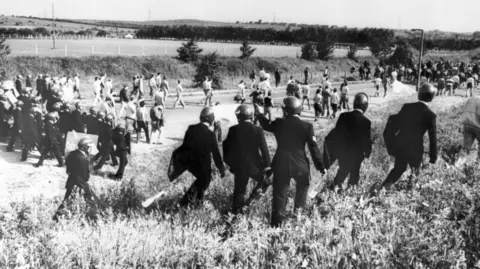
The inquiry is looking into the violent clashes between police officers and miners outside the Orgreave coking plant in Rotherham on 18 June 1984, which was one of the pivotal moments of the 1984–85 miners' strike.
In an update to mark the 42nd anniversary of the event, the Bishop of Sheffield the Rt Rev Dr Pete Wilcox, who is chairing the review, said he was "very encouraged" by the response.
He said that since the inquiry was launched in March, there had been more than 100 responses and nearly 2,500 pieces of documentary evidence submitted.
"This is an encouraging beginning, but it's never too late," he said.
"People who have not yet felt ready and able to put their story on record are welcome to do so for the whole lifetime of this inquiry.
"This autumn we hope to arrange some community listening exercises across South Yorkshire, but also in the north east of England and other parts of the United Kingdom, because there were pickets from all over, and we want to hear all their stories."
He said the inquiry would provide a formal update on progress to the home secretary by spring 2027 and publish its final report in spring 2028.
 PA Media
On the day of the clashes at Orgreave, the striking miners wanted to stop lorries carrying coke to fuel the Scunthorpe steel furnaces as they thought disrupting production would help win their fight against pit closures and job losses.
But violence involving police and the miners left more than 100 picketers and officers injured at the coking plant.
A total of 95 men who had been picketing at the plant were arrested and faced trial on riot and unlawful assembly charges.
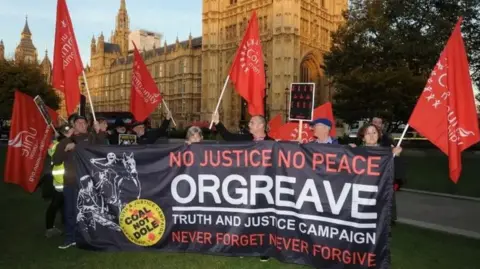
However, the case against them collapsed in court due to allegations that South Yorkshire Police had falsified evidence.
It is still considered one of the most violent episodes in British industrial history.
Wilcox said the people who had already come forward had "very much wanted" their story to go on record, but he said others were being offered support to speak due to the trauma of reliving the event.
He added: "This inquiry will provide an absolutely comprehensive, thorough, transparent and independent account of events both in the run up to the 18 June 1984, on the day and in the charging decisions and prosecutions that followed. That's the first aim.
"The second aim is to give people who feel they have never had the chance to have their voice heard to give them the opportunity to put their story on the record.
"Because this is a statutory public inquiry, it has rights to compel evidence. A good deal of documentary evidence has been in the public domain for much of the last 40 years, but not everything.
"There are some documents which for various reasons were embargoed, restricted or closed and, where we feel those documents may help to fill in gaps in the evidence trail, we will be able to compel the provision of those documents."
Anyone with relevant information about the events at Orgreave, or their aftermath, is encouraged to come forward to the inquiry.
Listen to highlights from South Yorkshire on BBC Sounds, catch up with the latest episode of Look North
