The 1976 drought and standpipes in streets

 PA Wire
South-west England and the Channel Islands experienced one of the British Isles' most "remarkable and enduring" extreme summers 50 years ago.
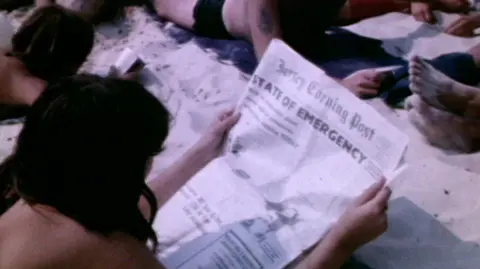
The UK Met Office said the drought of 1976, which began on 23 June, was "remembered for its prolonged heat and lack of rainfall" and remained one of the driest and hottest summers on record.
There were severe water shortages across parts of the South West, with temperatures remaining above 30C (86F), while rivers and reservoirs dropped to low levels despite occasional spells of rain. Jersey saw its longest period of absolute drought on record.
Mike Kendon, Met Office senior climate information scientist, said: "The summer of 1976 is still talked about because of how unusual it was in both its intensity and duration."
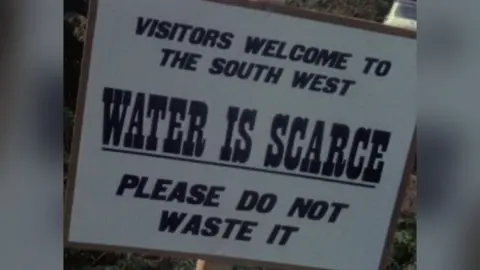
As the dry weather continued, pressure grew to keep both people and livestock supplied with water.
In the Channel Islands, farmers and hoteliers were told to cut their water use by a quarter or risk prosecution.
Jersey saw its longest absolute drought since records began in 1894, with it lasting 39 days in 1976.
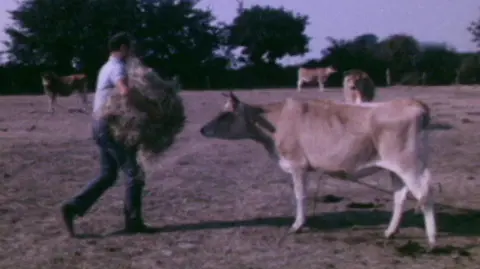
With grasslands turning to dust, livestock had to be fed with winter stores of straw.
Across the region and islands, people were urged to use less water wherever possible.
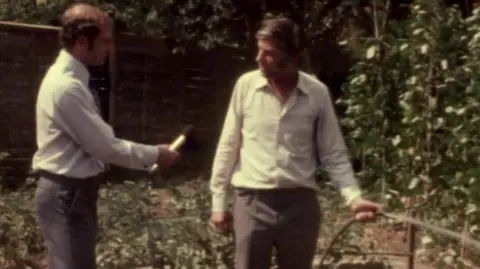
Some households shared bath water, while others reused it in their gardens.
Speaking to the BBC at the time, one man joked: "You've got real fertiliser in there, haven't you? It's all the dirt coming off the bodies."
Reservoirs in the South West — already depleted after the dry summer of 1975 — fell to a fraction of their normal capacity.
By September, with little rainfall, the impact of the drought became more severe.
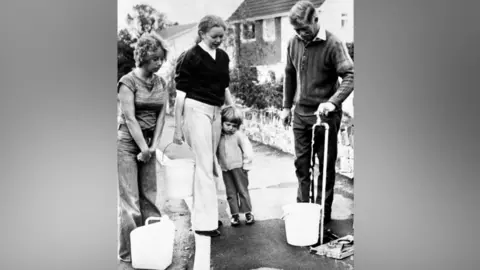
Standpipes were installed in streets across parts of Devon, with thousands relying on them for their daily water supplies.
The long, hot summer of 1976 officially ended in mid-October, but recovery took time, with weeks of sustained rainfall needed to restore rivers and reservoirs.
It remains one of the most severe droughts in living memory — and a benchmark against which UK heatwaves are still measured.
Follow BBC Guernsey on X and Facebook. Follow BBC Jersey on X and Facebook. Send your story ideas to channel.islands@bbc.co.uk.
