A new history of the US In 100 objects

 Tiana Hunt
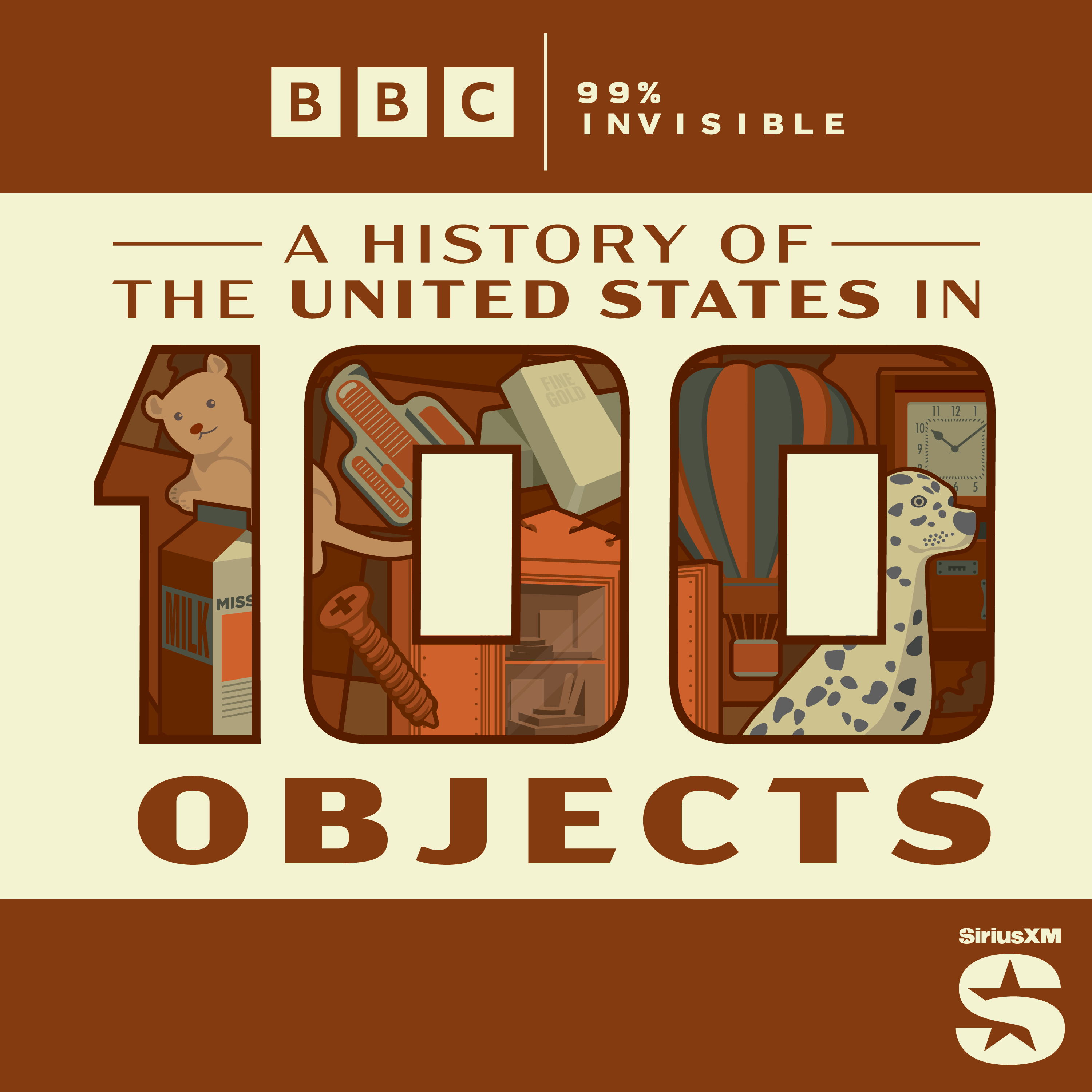
From a single gold coin's journey through the centuries, to an ingenious screw that changed engineering, the extraordinary stories behind 100 of the most significant and intriguing artefacts in US history will be explored in a new podcast launching today.
In 2010, A History of the World in 100 Objects premiered on BBC Radio 4 and podcast platforms worldwide. It was a landmark audio series examining huge swathes of the Anthropocene through 100 artefacts, and I loved it.
I was just getting started with 99% Invisible, my own attempt to tell the invisible stories behind the material world, and here was this enormous BBC series doing something I recognised immediately: finding the whole of human experience inside a single object that could often be held in the palm of a hand.
And those objects from the first series were indeed handled! Host and curator of the British Museum, Neil MacGregor just couldn't help touching everything! He would brilliantly narrate thousands of years of history whilst turning over priceless objects in his fingers. What a pro! What a delight! The series was successful beyond measure and is still talked about today.
When the 250th anniversary of the signing of the Declaration of Independence was approaching, there was a notion that it was a perfect time to do an update and reimagining of the 100 Objects concept, but this time focusing on the history of the United States. As the BBC Studios team were developing potential stories, they kept discovering that my podcast 99% Invisible had already produced an episode about it.
As that happened again and again, the idea of a collaboration became undeniable. So they called me up. As a superfan of the BBC in general and the original series in particular, I jumped at the chance.
From the beginning, we knew the new series was going to approach the episodes from a completely different angle. The new mandate is to select objects often not located in museums.
An audio portrait
We will paint an audio portrait of the US with objects that are overlooked, mundane, thrown away, or misunderstood. We will also ask our listeners to look through their attics and basements and propose their own stories that our team will help them turn into amazing radio (I still call it all radio).
I'm so excited and proud of what you are about to hear. For the next 100 weeks, 99% Invisible and BBC Studios will tell curious and engaging stories that will surprise and captivate you.
Where to listen:
New episodes of A History of the United States in 100 Objects are released every week. You can listen to it here.
We'll spend one episode on an American screw that quietly retooled the machinery of the entire world. We'll follow a gold coin from the California gold rush to the bottom of the Atlantic and discover how it nearly brought down the entire American economy. And yes, one episode is entirely about a ceramic dalmatian from the set of Wheel of Fortune. I promise it earns its place.
More like this:
We'll spin some rip-roaring yarns that will celebrate all the things the US does best. And even when the stories touch on tough and complex issues, our goal is for us to all have fun in the process of discovery together. Every sober account will have a little bit of drunk history.
We have assembled an all-star cast of contributors; the best audio storytellers, historians and journalists working today. They're going to bring their whole personality and sharp perspective to the objects of their obsession to tell a new history of the United States.
Join us!
100 objects. 100 stories. A new history of the US hiding in plain sight.
Thanks for listening,
Roman Mars, Host and Curator
--
If you liked this story, sign up for The Essential List newsletter – a handpicked selection of features, videos and can't-miss news, delivered to your inbox twice a week.
