Summary

  1. 'I wish I'd waited', says man who travelled length of UK by bus during £3 cappublished at 15:15 BST

    Jack Grey
    Live reporter

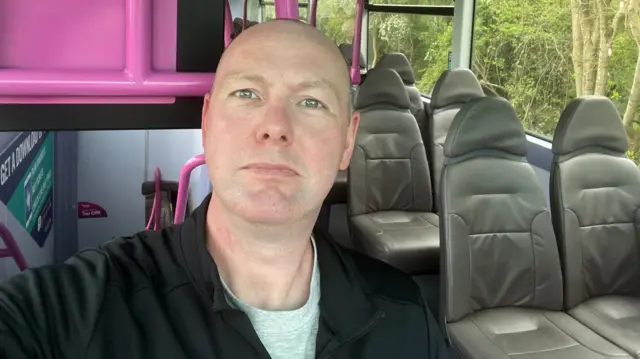
    James WhiteImage source, James White
    Image caption,

    James White says it's possible to travel the length of the UK by local busses, but he probably doesn't recommend it

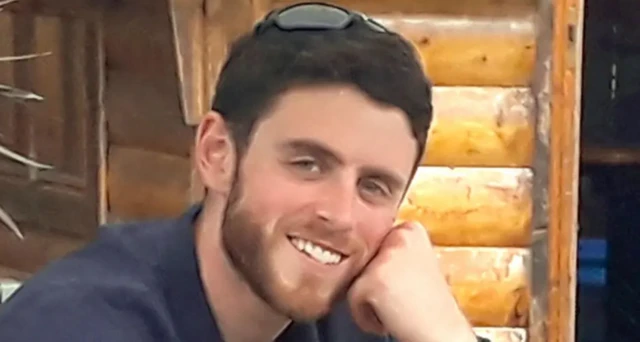
    For James White, who travelled the length of the UK by bus in 2025 to raise money for charity, his response to Andy Burnham’s proposed £2 fare cap is: "I wish I’d waited 15 months."

    Thanks to the £3 fare cap in place in England at the time, James' seven-day, 46-bus, journey cost him £206 in April of last year.

    However, under the new proposed cap, he says it would have cost him £33 less, or £115 cheaper if that cap was extended to Scotland - which had substantially higher fares.

    "Anything that encourages public transport use is to be applauded," adds James, from Richmond in south-west London.

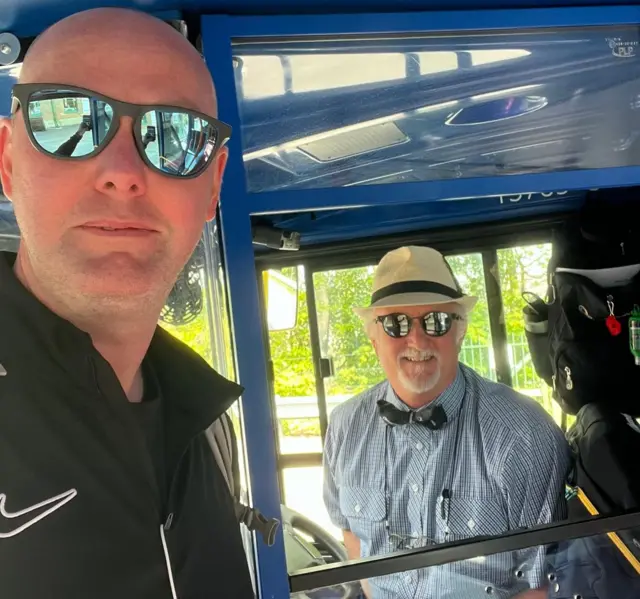
    James taking a selfie on a bun with a bus driver, with both wearing sunglassesImage source, James White
    Image caption,

    James' trip raised about £5,000 for suicide prevention charity Campaign Against Living Miserably

    James says the highlight of his week-long journey was the "incredible" Scottish and Cornish scenery and the “limousine”-like 36 bus from Leeds to Ripon, which he calls "unmatched".

    "End of the day, it is possible to travel from Land’s End to John O’Groats by bus. Would I recommend it? Not necessarily," he says.

    And will he now look to repeat his odyssey to celebrate the even lower fare cap?

    "Absolutely not."

  2. All of Scotland could get £2 fare cap under election campaign pledgepublished at 15:05 BST

    Iona Young
    BBC Scotland

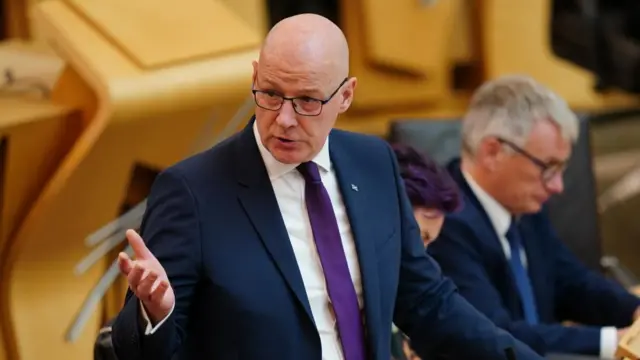
    Swinney speaking as gestures with one hand out in front of himImage source, PA Media

    Scotland could also see a cap of £2 bus fares rolled out across every part of the country - a policy pledged by First Minister John Swinney during the Scottish election campaign earlier this year.

    Currently in Scotland free bus travel is available to anyone under 22, those 60 and over, and eligible disabled individuals.

    Earlier this year, a pilot £2 cap on bus fares was launched in Shetland from 30 January, shortly followed by the Western Isles and Orkney. The year-long scheme was then rolled out across all of the Highlands and Islands at the end of March.

    The year-long trial aims to make bus travel more affordable and encourage greater use of public transport.

    Stephen Flynn, the cabinet secretary for economy, tourism and transport, confirmed in June that work is now under way to expand the area included in the pilot.

    “Making public transport more affordable is one of the ways this government is determined to support people," he said at the time.

    The UK government said this morning the funds allocated for the bus fare cap included money for devolved governments. It's not clear how that money will be spent - the Scottish Parliament is on recess until 30 August.

  3. Burnham's cap won't apply in Wales - but Senedd expected to get extra £25mpublished at 14:56 BST

    Adrian Browne
    BBC Wales political reporter

    Earlier we reported government funds allocated for the bus fare cap included money for devolved governments.

    We estimate the Plaid Cymru-led Welsh government could receive up to around £25m in extra funding, although we'll get clarification later on the actual figure.

    How that money is spent would be a matter for ministers in Cardiff.

    Welsh Labour leader Ken Skates has urged the Welsh government to introduce the same £2 fare cap in Wales, a policy Labour pledged at the Senedd election in May before losing power to Plaid Cymru.

    Reform, the largest opposition party in the Welsh Parliament, is also calling for the £2 cap in Wales.

    Wales already has a different approach to bus subsidies, with discounted fares focused on younger passengers rather than a universal cap.

    Plaid Cymru's election manifesto promised to continue funding £1 single bus fares and £3 day tickets for children and young people aged five to 21, while retaining free bus travel for over-60s.

  4. Helpful or delusional? Your reactions to the fare cappublished at 14:41 BST

    Bernadette McCague and Rozina Sini
    BBC Your Voice

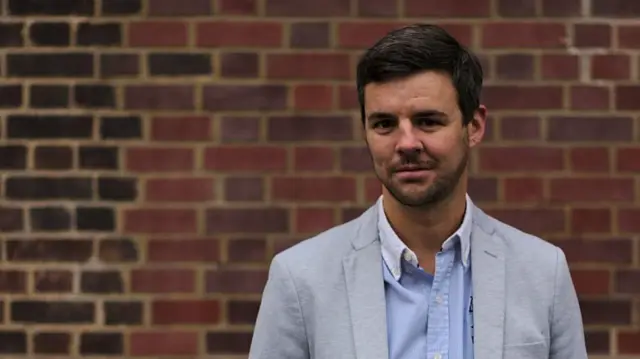
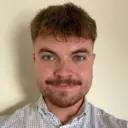
    Seb Pelisse wears a white jacket and blue shirt, smilingImage source, Supplied
    Image caption,

    Seb Pelisse says its "delusional" to think the fare cap will help most people

    Seb Pelisse lives in Chertsey in Surrey but works in London, and is asking the government to reduce the cost of train fares first because his commute is "horrendously expensive".

    Additionally, the 33-year-old says if he needs to get around his area he will use his car for convenience, instead of waiting "for a bus once an hour or every half hour".

    "It's a great measure for anyone not driving, a little delusional to think this will help most people," he adds.

    Meanwhile, Charlie, 24, lives on the outskirts of Bristol and finds that getting the bus into the city centre is the best way to travel.

    "Capping the bus fare may not massively change the cost for each journey but, considering I use it both ways, will probably mean I’ll be more likely to travel to the centre of the weekend," he says.

    "It was always going to be the small things that improve quality of life”.

    Purple banner with Your Voice in white writing
  5. Charity warns funding for fare cap 'penalises those most impacted by climate change'published at 14:27 BST

    A concern raised by some NGOs following news of the bus fare cap is the diversion of funding away from projects aimed at supporting countries with the impacts of climate change.

    As we explained earlier, part of the government funding for the new bus cap will re-direct £400m it planned to give to developing countries to tackle climate change.

    ActionAid UK's Joanne O'Neill says the PM's scheme is a "welcome initiative but his funding proposal throws global south countries under the bus, penalising those most impacted by a climate crisis they did not create".

    O'Neill goes on to call on the government to "commit to delivering international climate finance through grants, not loans, with funds raised through progressive taxes on polluting companies, and the banks which finance them".

  6. Streeting calls for defence modernisation during first speech in new rolepublished at 14:16 BST

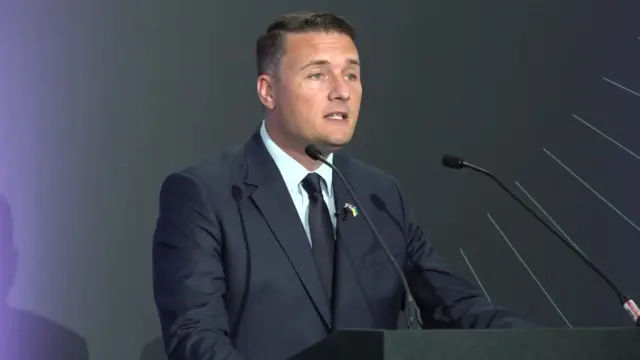
    Wes Streeting standing in front of two microphones. He is wearing a black suitImage source, PA Media

    We've been hearing from the new Defence Secretary Wes Streeting today, during his first speech since taking up the post on Monday.

    Speaking from Farnborough Airshow, Streeting has called for the modernisation of UK defence.

    "Investment is only one side of the coin," he said, adding: "Modernisation without investment, but investment without modernisation is irresponsible."

    Warning that "delay and inaction" pose a threat in modern warfare, Streeting also stressed his department would "be a central contributor" to economic growth.

    Pressed by reporters later on whether he would commit to raising defence spending to 3% of GDP by 2030, he replied fiscal policy is "a matter for the chancellor".

    He added that he and the chancellor both "understand defence" and its "immediate pressures and priorities".

    We're now turning our coverage back to bus fares - you can get up to speed on the changes in our earlier post.

  7. PM says he will 'review' early prisoner release policypublished at 14:05 BST

    PC Harper smiling into the cameraImage source, PA Media
    Image caption,

    PC Harper's mother said it feels like an “insult” that two of her son’s killers may be eligible for early release

    Away from the single bus fare cap, Prime Minister Andy Burnham says he will "review" the policy which means two people jailed over the death of a police officer could be released early from prison.

    PC Andrew Harper, 28, was killed in 2019 when he was dragged by a car down a country road as three teenagers fled the scene of a quad bike theft in Berkshire.

    Jessie Cole and Albert Bowers, who were passengers in the vehicle and both 17 at the time, were sentenced to 13 years in custody for manslaughter but might be eligible for early release under the new Sentencing Act. The car's driver, Henry Long, was jailed for 16 years for manslaughter and would not be eligible for early release.

    From September, thousands of offenders in England and Wales will be eligible to be released earlier under the act.

    Speaking to reporters in Bath this morning, Burnham said: “All I can say is I will review the whole of this policy.

    “But I want to assure myself that everything has been looked at before this policy proceeds, and I can give that assurance that every single part of this I will look into with the Justice Secretary."

    Nick Timothy MP, shadow justice secretary, said the scheme has been "catastrophic" and said Labour needs to back the Tory bill "to exclude rapists, paedophiles, and other serious criminals".

  8. A 'fully-funded' bus fare cap as Burnham bats away criticism over policies: What to knowpublished at 13:52 BST

    Joe Coughlan
    Live reporter

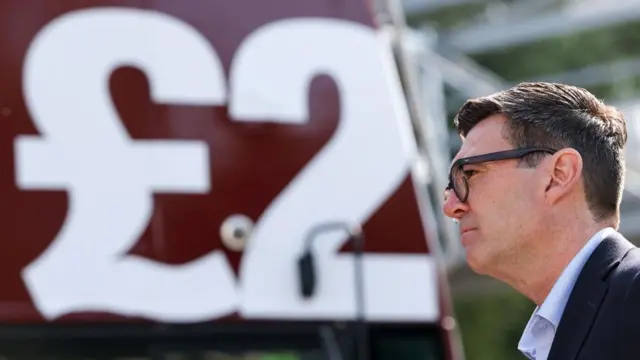
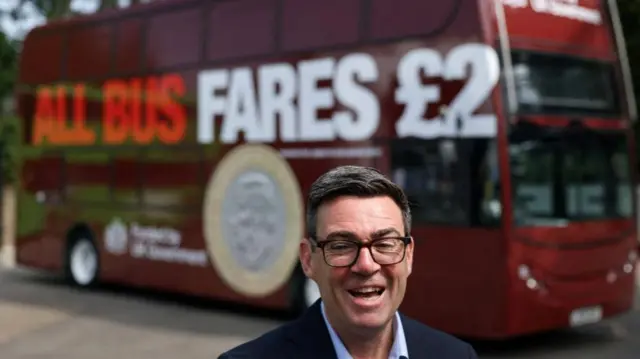
    A side profile of Andy Burnham wearing a suit with a bus in the background. A wrap saying "£2" is visible on the bus.Image source, PA

    Andy Burnham has said his scheme to cap most bus fares in England at £2 from January next year will be paid for by "re-prioritising" government funds.

    The government announced the policy this morning, funded by more than £500m, and said it will last throughout 2027. It won't apply in London, where there's a cap of £1.75, and matches caps in place already in Manchester and Liverpool.

    Accused of "bringing back" a similar Conservative policy introduced by Boris Johnson in 2023, the prime minister said it was "actually my policy originally" and that all of his schemes so far are "fully funded".

    This includes today's announcement on bus caps, the cut to VAT on electricity bills for six months from October and his pledge to end rough sleeping - measures which Chancellor John Healey said show how the government will "advance working people across the country".

    Opposition parties have criticised the funding and scale of the bus scheme overall, with shadow chancellor Mel Stride saying it's not clear where the funding is coming from.

    We've also been hearing from you about what effect the cap may have - Susannah in Glastonbury is "delighted" by the initiative but calls on Burnham to be "more ambitious".

    As a reminder, you can get in touch with us to tell us how the cap affects you.

    In the next few posts, we'll be going over some other political news from today away from the bus cap, stick with us.

  9. 'The cost of bus travel is crippling - a cap will save me over £500 a year'published at 13:36 BST

    Bernadette McCague
    BBC Your Voice

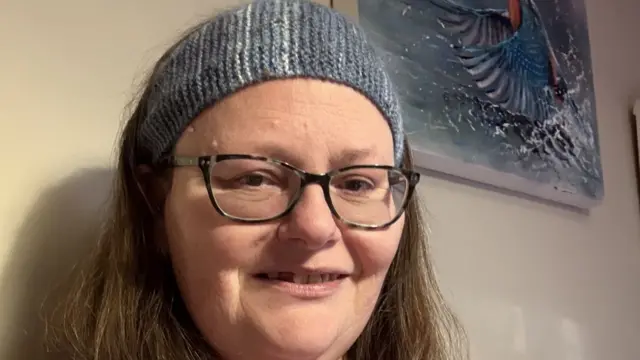
    Sarah BodgerImage source, Sarah Bodger

    Sarah Bodger, who owns a wool shop in Royal Leamington Spa, says her travel journey to work involves a two hour bus journey each way, costing almost £58 per week.

    “The bus fare cap will help keep a lot," she says. "I own a very small shop and the cost of bus travel is crippling."

    She says it costs her over £3,000 a year to get to work, adding "the cap will save me over £500 a year".

    Your Voice banner
  10. How the fare cap funding plan could affect the climate change fightpublished at 13:20 BST

    Georgina Rannard
    Climate and science reporter

    One way the government will pay for this new bus cap is by re-directing £400m it planned to give to developing countries to tackle climate change - projects like building wind farms or protecting rainforests.

    Instead of giving this money as grants, it will now been given as loans, according to the government.

    Developing nations often criticise loans. The repayments can be larger than the original loan, worsening countries’ already staggering debt. And it is likely to make delivering these climate projects less effective.

    But what about the UK’s responsibilities to tackle climate change at home?

    Transport is the biggest single climate polluter in Britain, and progress in reducing those emissions has stalled.

    In 2025, 31% of net greenhouse gas emissions in the UK were from domestic transport, mostly from driving petrol and diesel vehicles, according to provisional government figures.

    Last year emissions actually went up 2%, due to more driving, making it the only sector to see an increase.

  11. BBC Verify

    How will the government pay for the £2 bus fare cap?published at 13:10 BST

    By Tom Edgington

    The government says its £2 bus fare cap policy will cost more than £500m which ministers insist will be paid for by re-prioritising existing budgets rather than increasing overall spending or borrowing.

    The funding breaks down as follows:

    • £400m from replacing grants for international climate projects with loans
    • £54m from underspends in the Department for Energy Security and Net Zero
    • The remaining funding from money already set aside in the Department for Transport for buses

    Most of the money will come from replacing international climate grants with loans and because the Treasury expects the loans to be repaid, replacing the grants reduces the cost to the public finances.

    However, Max Warner from think tank the Institute for Fiscal Studies says there are still uncertainties.

    “It's not clear how much we would expect to be paid back nor what the interest rates will be. Both matter for how much the government will ultimately save from this switch to loans,” he says.

    He adds it is also unclear whether reducing spending on overseas climate projects could require the government to increase spending elsewhere to still meet its overseas aid target, potentially reducing the overall savings.

    Transport Secretary Heidi Alexander told Sky News earlier that the details for replacing overseas climate grants with loans “needs to be worked through”.

  12. When a TikTok icon meets a prime ministerpublished at 13:01 BST

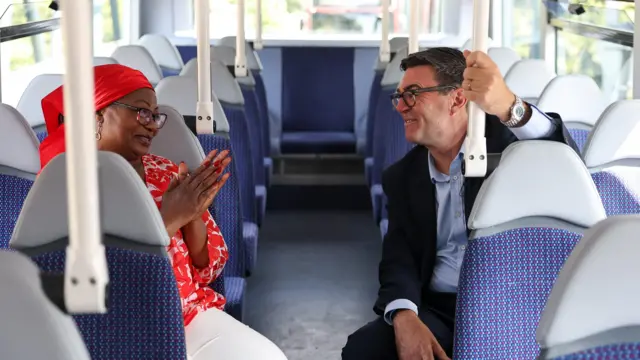
    Andy Burnham sits on a bit wearing a suit next to Bemi Orojuogun who is wearing a bright red dress. The seats on the bus are blue.Image source, Reuters

    During Prime Minister Andy Burnham's visit to Bath today, he was photographed with a certain TikTok star you might recognise.

    Bemi Orojuogun has amassed almost half a million followers with her quirky adoration of London's bus network.

    Nicknamed 'Bus Aunty', her videos show Orojuogun staring into the camera as busses whizz close by, set to a catchy song.

    "It was just a normal day," she told the BBC last year. "I took a quick video, posted it on TikTok, didn't think much about it, until my daughter called and said, "Mummy, you're going viral!" I was like, what?"

    One of her videos has more than 50 million views, winning Video of the Year at the TikTok UK & Ireland Awards in 2025.

    She's also collaborated with the Mayor of London, TfL, Ikea, and Burberry.

    Bemi, who works as a mental health nurse, says she hopes her videos also spotlight the hard work of bus drivers.

    Media caption,

    Watch: Meet TikTok’s ‘Bus Aunty’ who celebrates London’s buses

  13. Opposition parties weigh in on Burnham's bus fare cappublished at 12:54 BST

    Britain's Prime Minister Andy Burnham reacts in front of a FirstGroup bus at the bus station during an interview in Bath, Britain, July 22, 2026.Image source, Reuters

    As we've been reporting, Prime Minister Andy Burnham's government began his second full day in power by announcing a £2 bus fare cap for everyone in England from January.

    Here's how opposition leaders and other political parties have reacted:

    • Shadow chancellor Mel Stride accused the government of not specifying where the money to fund the initiative is coming from, which he calls "a worrying sign"
    • While welcoming the measure as a "relief", Liberal Democrat transport spokesman Olly Glover accused the government of leaving millions of people behind, particularly those in rural areas who struggle with few or no bus services
    • Reform UK says any help with the cost of living is welcome but the party's chairman, Lee Anderson, accuses Burnham of having "walked into No 10 with absolutely no plan"
    • And the Greens say lower fares are of no use if "buses aren't there", adding temporary cuts to fares are "welcome but we need a new direction of travel", calling for permanent free travel for under-22s
  14. Mayor of Liverpool City Region says fare cap means city can see benefit for longerpublished at 12:45 BST

    Kaleigh Watterson
    BBC Cheshire political reporter

    Steve Rotheram, the mayor of the Liverpool City Region, says the bus fare cap will mean the city can keep its current cap for longer.

    Bus fares are currently capped at £2 in the Liverpool City Region, and last week the area’s combined authority said the £2 fare would “remain in place for now”.

    “We will continue that much longer now than we were able to do, because I was wrestling on having to put them up at one stage myself, because we haven’t got an infinite pot,” he told BBC Radio Merseyside's Hot Seat.

    Rotheram - who is friends with Burnham - said that the change would help with the cost of living.

    He also said he knew Andy Burnham was going to introduce a £2 fare cap before this morning’s announcement.

    When asked if he knew beforehand, he said he did as he had spoken to Burnham about his plans when he became PM.

  15. BBC Verify

    Did bus journeys rise under the previous £2 fare cap?published at 12:25 BST

    By Phil Leake

    Local bus use in England increased the last time a £2 fare cap was in place, but remained below pre-pandemic levels, according to data from the Department for Transport.

    The £2 cap was first introduced by the Conservative government in January 2023 and applied to single fares in England outside London. Keir Starmer's Labour government increased the cap to £3 in January 2025.

    Passengers made just under 1.9 billion local bus journeys in England outside London in the year to March 2025 - up from 1.6 billion in the year to March 2023.

    However, that was lower than the two billion journeys recorded in the year to March 2020, before the Covid pandemic.

    A government-commissioned evaluation of the scheme's first 10 months found the £2 cap increased bus use by around 5% compared with the previous year.

    Overall bus use rose by 13% over the same period, which the report attributed to a wider post-pandemic recovery and the impact of other local transport investments.

    This Flourish post cannot be displayed in your browser. Please enable Javascript or try a different browser.

  16. Positive reaction but calls for Burnham to be 'more ambitious' - your thoughts on the £2 bus cappublished at 12:17 BST

    Over on BBC Radio 5 Live, our colleagues have been speaking to some of you about your experiences with buses and what effect Andy Burnham's £2 price cap could have:

    Maisie in Coventry welcomes the price cap. She says when she was at college, she would sometimes have to get three buses in the mornings which would cost up to £9. The cap would reduce this to £6 but that "adds up", she says.

    Now she uses the buses to see friends, and volunteers as a first aider, and thinks the cap will "encourage more people and young people to go outside and make friends and just have fun".

    For Emma, a performer in Brighton, who needs buses "at all times of the day", her daily journey one way is £6. "It's just ridiculous... so a £2 cap I think is going to be really good."

    Susannah in Glastonbury is similarly "delighted" to hear Andy Burnham is going to "apply himself to buses", though she says she wants him to be "more ambitious" and build "reliable, frequent, swift" bus services.

    One of the reasons some buses often cannot stick to their schedules is because of busy roads and parked cars, says Lyndon, who has been a bus driver in Swindon for five years.

    He tells 5 Live it is "very expensive" to run a bus but adds that in rural areas it creates community: "Everybody knows each other on the bus, they have their conversations, they chat about things... they appreciate it."

  17. Cost of fare cap a tiny proportion of government's spendingpublished at 12:07 BST

    Most of the money needed to enact the single bus fare - projected to cost over £500m - will be reallocated from the Department for Energy Security and Net Zero, the government says.

    This cost is a small drop in the ocean of the government's overall spending - it's forecast to spend £1,416bn in 2026/27.

    Alex Chapman of the New Economics Foundation told BBC Radio 4 earlier that the money being spent on the policy is "very small in government terms".

    Sankey-style diagram titled “Health and social protection make up half of government spending,” showing the UK government spending forecast for 2026–27. Total spending of £1,416bn flows into categories of varying thickness. The largest allocations are £400bn for social protection and £294bn for health, together accounting for about half of spending. Other categories shown include £145bn education, £135bn debt interest, £90bn defence, £69bn transport, £62bn public order and safety, £56bn industry, agriculture, and employment, £54bn personal social services, £51bn housing and environment, and £60bn classified as other. A note states that figures may not sum due to rounding, with sources listed as the Office for Budget Responsibility and HM Treasury, and a BBC logo at the bottom.
  18. Burnham says 'no commitment' made on changing tax-free personal allowance thresholdpublished at 11:56 BST

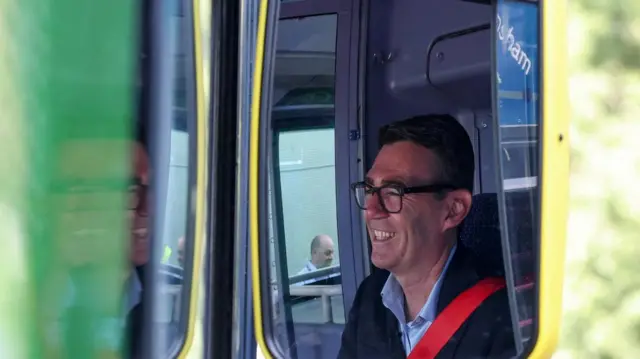
    Andy Burnham sitting in the driver's seat on the bus putting on his seatbelt and seen through the windowImage source, PA Media

    More from Andy Burnham's comments from Bath now.

    Burnham, asked about the possibility of changing the £12,570 tax-free personal allowance threshold he says there is "no commitment at this point to change".

    Earlier, those close to Burnham told the BBC will not be part of his initial plan to tackle the cost of living, after suggestions that he could change the tax.

    The PM says "we will have to look at it in the Budget", adding that no "unfunded promise" has been made.

    On council housing, he says the government is putting a "greater priority" into this area.

    He says this will not mean tax rises in the next budget, adding "this is about re-prioritising in this phase" and addressing issues such as the housing crisis and cost of living crisis.

    "How much longer are we going to talk about these things without actually doing something to help people?" he adds.

  19. Burnham says £2 cap originally his idea and policies will be funded by 're-prioritising' fundspublished at 11:45 BST

    The prime minister has insisted that the £2 bus fare cap was his policy idea originally, when asked by reporters about "bringing back Boris Johnson's policy" on a £2 cap that was introduced in 2023.

    Speaking to journalists in Bath, Andy Burnham says it was "actually my policy originally" and that he'd "worked with Boris to take it national".

    He says he believes the cap on bus fares will "really help" people and "put money in people's pockets".

    Moving onto the policies he has revealed since Monday, he says they are being fully funded by "re-prioritising" the government's budget.

    Burnham says the policies he has announced so far - the cut to VAT on electricity bills for six months from October, the £2 cap on bus fares, and his pledge to end rough sleeping - are all "fully funded".

    "The public's priority is reducing the cost of living pressures" he says, adding that he's taking "a difficult look" at previous government commitments and re-prioritising.

  20. 'Bus fare cut is no good for those who drive,' says Durham manpublished at 11:21 BST

    Rozina Sini
    BBC Your Voice

    Mark Tait smiling as he looks towards the cameraImage source, Mark Tait

    Mark Tait, who lives near Durham, tells the BBC the bus fare cap will make little difference to him.

    "This is great if you use the bus, but no good for those who drive. Yet again, the working class person is left out," Tait says.

    "I work 13 miles away and for me to use public transport it would take three buses. They keep talking about using public transport, saying it's better for the environment but that's not always possible."

    Tait says the announcement was fine for older people or students, "but for the majority of people who work the £2 cap means nothing to us".

    "But a further cut on fuel duty would help," he says.

    Your Voice banner