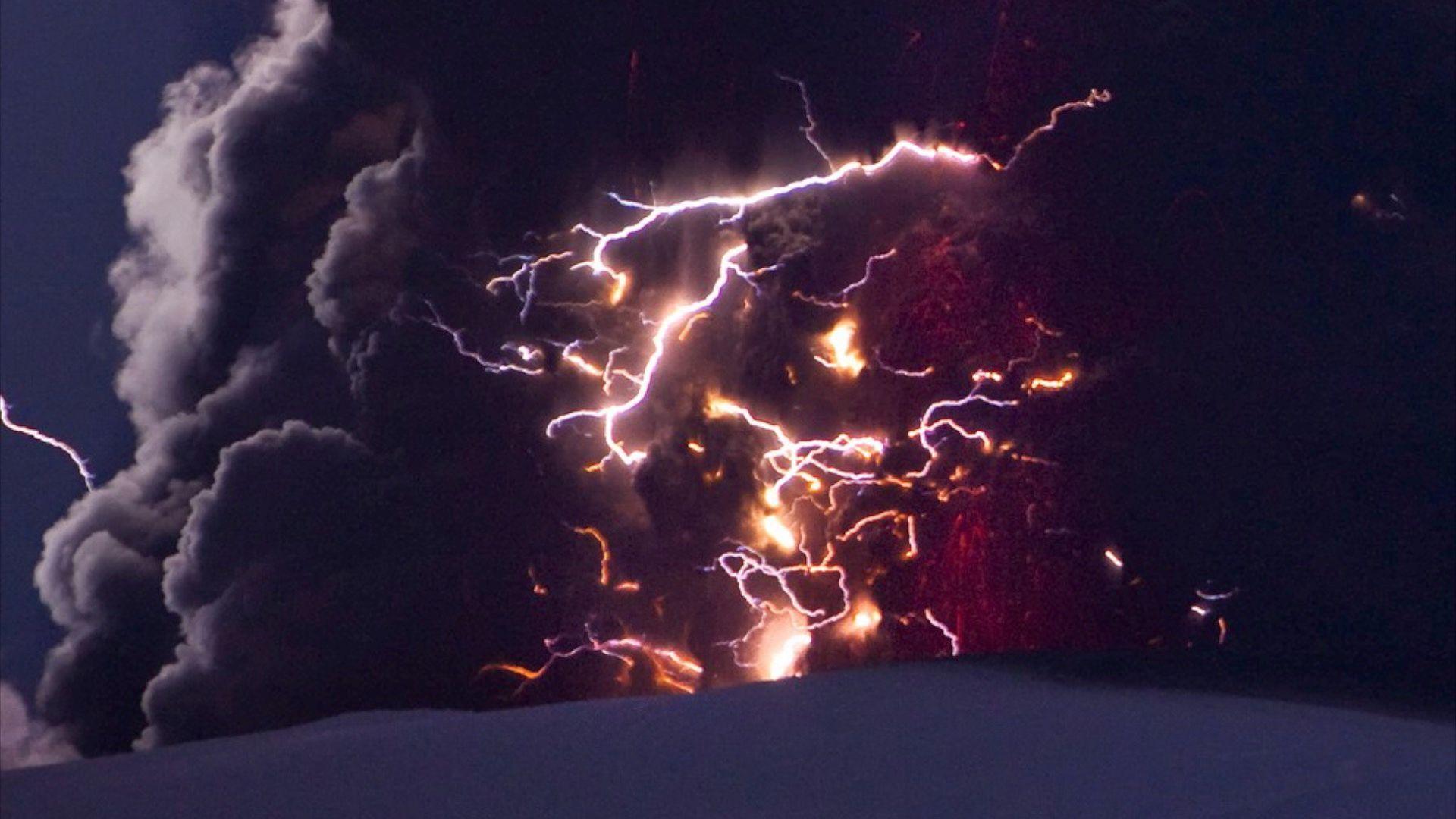
What is a thunderstorm? All you need to know about thunder and lightning

- Published
A thunderstorm is one of the most energetic weather phenomena we see here in the UK, with blasts of thunder and flashes of lightning.
They happen when the air is very unstable or volatile and results from rapidly rising air - a bit like steam rising from a hot cup of tea.
Once the air cools, it condenses and forms deep dark clouds called cumulonimbus, which are some of our most dramatic clouds.
The rising air continues to fuel these storms as they rumble away. It is nature's way of rebalancing the energy in the atmosphere.
What causes thunder?

A lightning strike near the coast at Portglenone, Northern Ireland
Thunderstorms can occur at any time of year but our most severe usually come in the summer months when we have longer days with more sunshine, which creates more energy in our atmosphere.
Inside these thunderstorms, warm, moist air moves up and down quickly, the up-draughts force the air above the freezing level, so the water droplets in the air turn to ice or hail.
So within the thunderclouds there is a mixture of ice and water, which rub against each other transferring electric charges. This leads to a build up of electrical charge and when that gets large enough, it is released as a bolt of lightning.
When lightning happens, it can heat the air to as hot as around 30,000°C. The air heats up so quickly that it suddenly expands creating a shock wave - a huge vibration in the air - that we hear as thunder.
How do thunderstorms form?
- Published11 May 2025
Can it thunder without rain?

Thunderbolts and lightning can be very, very frightening
It is possible to hear thunder and not see rain. This is sometimes called a "dry thunderstorm."
In a dry thunderstorm, the rain evaporates before it reaches the ground because the air underneath the cloud is very hot or dry.
These thunderstorms are notorious for sparking wildfires because no rain is wetting the vegetation below them.
Can you get thunder without lightning?

Mark Twain's famous quote "thunder is impressive; but it is lightning that does the work" is also scientifically accurate
No, thunder is the sound produced by lightning, so it cannot exist without it.
When lightning strikes, it heats the air to around 30,000C which incredibly is hotter than the surface of the sun.
Sudden heating of the air causes it to expand so rapidly it creates the loud bang of a thunderclap.
- Published3 September 2025
- Published12 February
- Published19 May 2025