Ebola Virus Disease
Ebola virus disease (EVD), formerly known as Ebola haemorrhagic fever, is a severe, often fatal illness in humans. The virus is transmitted to people from wild animals and spreads in the human population through human-to-human transmission.
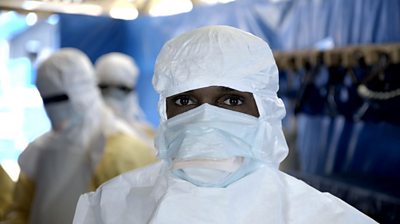
Ebola virus disease (EVD), formerly known as Ebola haemorrhagic fever, is a severe, often fatal illness in humans. The virus is transmitted to people from wild animals and spreads in the human population through human-to-human transmission.
Any proposals to cover events related to any suspected or confirmed Ebola outbreak is considered a ‘high risk’ assignment. Please see the Hostile Environment Country Pages for more information about the BBC's requirements.
As a reminder, if you are interviewing anyone who has recently come back from a high risk area, please use the guest flow chart – the rules regarding interviewing people who have returned from high-risk countries remain in place.
There are no official travel restrictions at present, but we advise against non-essential travel. Plans should be discussed with the High Risk team.
An aide memoire is available for travellers to affected countries, see below.

September 2026 Outbreak
There is an outbreak of Ebola in the Democratic Republic of Congo. Cases have also been identified across the border in Uganda. If travelling to the area, you must first contact the High Risk Team before you go. Our advice to travelers may change as the situation develops.
Please refer to the advice HERE
(also available via the Useful Documents section below)
Public Health England advice Jan 2015
PHE advice in relation to returning health workers – should not travel by air within the UK or take public transport for longer than 2 hours. We decided that this info should be included in the addendum to the Guest Flow Chart, so that guests are not inadvertently encouraged to break PHE guidelines if they need to travel long distances to come to a studio.
We also modified the flow chart to make it clear that even if a potential guest does not manifest classic Ebola symptoms, they should not be brought in if they are not feeling well generally. The updated Flow Chart is attached to this page.
We decided that this Ebola meeting will take place once every two weeks (unless there is an emergency).
BBC News factsheets - Revised September 2026
This guidance that has been put together for staff who are covering the Ebola outbreak or are concerned about the potential impact of this.
There are now three documents, since we have combined the old information sheet and the FAQ.
Number1 Ebola Virus Information Sheet - Aug 2014 (merged into the document below)
- General FAQs about the Ebola virus (pages 1 - 3) All updated 7th Nov 2014
- FAQ for staff who may be meeting guests arriving from infected areas who’ve been invited to BBC premises for interviews (page 4)
- Specific health FAQs for those based in or planning to visit infected countries to film or produce programmes (pages 5 - 8)
- For travellers to affected countries. Updated Oct 2014
Number4: Ebola Guest Flowchart
- How to deal with a guest for programmes who has come back from a high risk area. Updated 12th Jan 2015.
Protocol for dealing with guests visiting BBC Buildings, including International Bureaux
Follow the Protocol described in the Ebola flow chart and read the addendum on it. The addendum is also added below.
The Protocol for dealing with guests visiting BBC buildings helps you decide how to deal with contributors and visitors who have been to an Ebola endemic country as defined by the WHO and are to be invited in to BBC buildings for programmes. It is designed to protect staff and others working in BBC buildings from the risk of Ebola.
The most important factor, and that is why it is high up on the list, is to establish that the person has no symptoms immediately prior to entering the building. The early symptoms of Ebola Virus are a fever, muscle aches, a headache and a sore throat. Whilst these symptoms are shared with many other virus infections, they could indicate Ebola infection and so we must not allow them into our building and should interview by video or phone.
If a guest does not have symptoms you should also check how long ago they were in the infected country. If it is less than 21 days ago then you must also establish that they have registered with a reputable in country health authority.
In the UK our relevant in country health authority is Public health England [PHE]. Aid workers, medical staff, government staff, broadcasters etc. should have registered with PHE if they are returning from areas where Ebola is endemic. PHE assess their risk of exposure and design an appropriate monitoring programme for them.
In the event that an asymptomatic individual has returned within 21 days and has not been registered, then as a final check you need to establish whether they have had close contact with Ebola cases. Close contact means someone who has had unprotected physical contact with Ebola sufferers or the body fluids of infected persons.
In effect, for those returning from endemic countries, we are excluding anyone who has symptoms, and for those without symptoms anyone who has had close contact with Ebola cases less than 21 days ago and hasn’t registered with PHE or an equivalent body in their country.
Further Information
More information can be found on the WHO site, their page has links to pages about the latest situation.
Useful documents
- Factsheet Number 2: Ebola FAQs(Factsheet Number 1: Ebola Virus Information Sheet merged into this)
Recommended links
- Hostile Environment Country Pages[BBC Network only]
Disease-specific topics
Bird Flu
Advice for staff covering the outbreak of avian 'flu in Yorkshire in 2014
Living with Coronavirus (Covid-19) – advice for staff
Advice for staff about travel and/or interviewing guests
Disease and Contact with Viruses and Bacteria
A guide for anyone deployed to areas where there is risk from infectious disease from human, animal, insect or parasite sources, including zoonoses. These controls can also apply to harmful bacteria found in incidents such as sewage spills.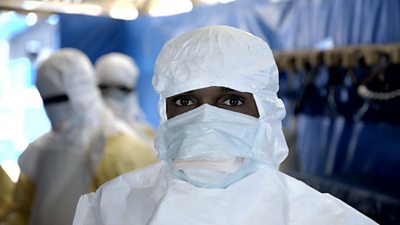
Ebola Virus Disease (EVD)
Ebola is a contagious and often fatal illness which has had periodic outbreaks in the DRC and Sudan.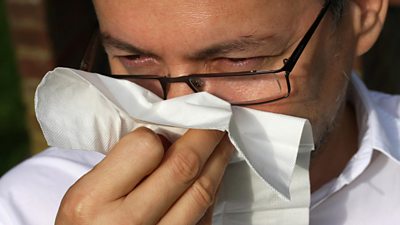
Influenza ('Flu)
A guide to influenza, or 'flu', for individuals seeking general advice or during an epidemic or pandemic situation.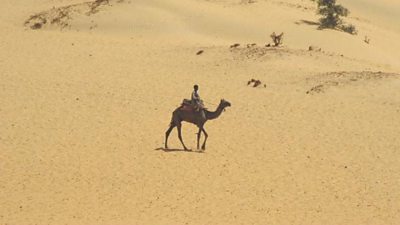
MERS: Middle East Respiratory Syndrome
This is a virus that is new to humans and was first identified in Saudi Arabia in 2012.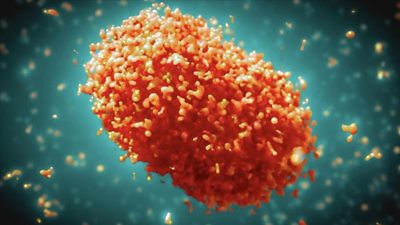
Mpox (monkeypox)
Requirements to be met for Mpox (2024) outbreak coverage and/or travelling to work in areas where there are high reported cases of Mpox.
Zika Viral Disease
Zika Viral Disease is a mosquito-borne disease caused by the Zika virus. In 2015, the World Health Organisation declared it a global public health emergency.
More from SSR
Safety Hub
Your platform to record accidents, risk assessments, assurance monitoring and inspectionsSafety Equipment Stores
(Internal Only)BBC Safety Guidelines
An A-Z of BBC's Safety GuidelinesContact your Safety Team
Safety Advice Line: 0370 411 0464 Email: safety@bbc.co.uk
- A-Z of BBC Safety Guidelines
- Find my Safety Adviser (BBC Network only)
- Accident Reporting and Investigation
- BBC Health & Safety Policy
- Contractors (incl. vetted lists)
- Contributors
- Fire Safety
- Freelancers
- Independent Production Companies
- Risk Assessment
- Safety Alerts
- Safety Responsibilities
- Safety Training
- Sets & Premises Safety Guide
Events guidance - key links:
Health topics - key links:
- Access Services (BBC network only)
- Contributors Fitness to Participate
- Display Screen Equipment (DSE)
- Employee Assistance Programme (BBC network only)
- First Aid and Welfare on Location
- International Travel - Risks & Health
- Manual Handling
- Mental Health: Homepage
- Occupational Health Referrals & Advice (BBC network only)
- Personal Health and Wellbeing
- Pregnancy
- Psychological Trauma Support & Trauma Risk Management (TRiM) (Internal Only)
- Tiredness and Fatigue
- Travel Health Contacts
BBC High Risk:
- High Risk Guide (HRG)
- High Risk Safety Guides (Internal Only)
- Covert Filming
- Crisis Management and Security Support
- Door Stepping
- High Risk team contacts (BBC network only)
- Hostile Environment Country Pages (BBC network only)
BBC Journalism - key links:
- Broadcast Vehicles
- Courts of Law
- Covert Filming (via Security on Location)
- COVID: Managing COVID risks is News Deployments
- Demonstrations, Protests and Crowds (via Security on Location)
- Door Stepping (via Security on Location)
- Press Conferences
BBC Productions - key links:
- Aerial Filming and Airfields
- Animals: Displaying and handling for performance
- Boats: Working on
- Children and Young People
- Driving
- Electrical Equipment and Systems
- First Aid and Welfare on Location
- Food Safety (Cooking and Catering)
- Remote Location Working
- Roads and Streets: Working by
- Security of Productions on Location
- Stunts
- Tiredness and Fatigue
- Unmanned Aerial Systems (UAS aka Drones)
- Vehicles: Recording in, from and around
- Working at Height: Mobile Elevating Work Platforms
- Working at Height: Tower Scaffolds
BBC Radio - key links:
- Corporate Security Home (BBC Network only)
BBC Security - key links:
BBC Sport - key links:
- Broadcast: Presentation and Linking Positions
- Broadcast Vehicles
- Buildings used for ...temporary studios (HSE)
- Electrical Equipment and Systems
- Guide to Safety at Sports Grounds (DCMS)
- Managing H&S at Motorsport Events (HSE)
- Safety in Broadcasting Sports Events (HSE)
- Sports Events: Recording or Filming
- Vehicles used in Sports Coverage
About this site
This site describes what the BBC does in relation to managing its health, safety and security risks and is intended for those who work directly for the BBC.
It is not intended to provide instruction or guidance on how third parties should manage their risks. The BBC cannot be held liable for how this information is interpreted or used by third parties, nor provide any assurance that adopting it would provide any measure of legal compliance. More information
Some links on this site are only accessible when connected to the BBC network
