Grammy-winning Nigerian director explore role wey im grandpapa play for Biafran War
- Author, Tamasin Ford
- Role, BBC Africa Eye
- Published
- Read am in 7 mins
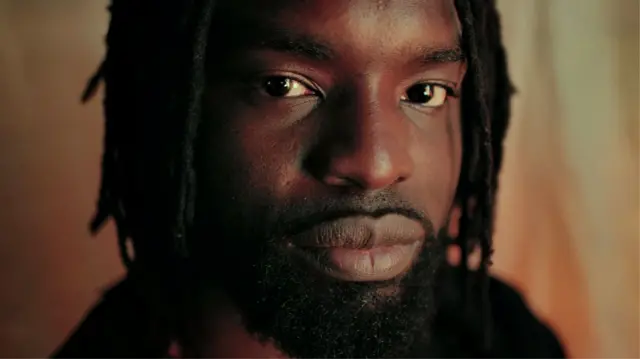
Meji Alabi don direct some of di biggest selling music artists on di planet: Beyoncé, Burna Boy, Davido and Stormzy. But notin prepare di Grammy Award-winning director for im new documentary on Nigeria civil war.
Warning: Dis article contain details wey fit worry readers
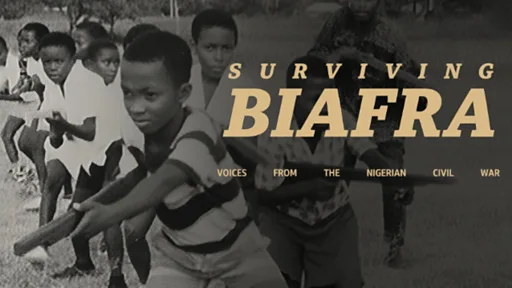
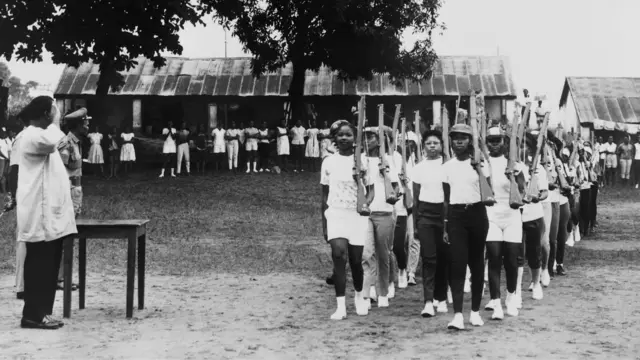
Surviving Biafra: Voices from the Nigerian Civil War, produced by BBC Africa Eye, include previously unseen footage taken on di front line of di devastating war wey last from 1967 until 1970 wen ethnic tensions threaten to tear apart di young West African nation.
"Na eye opener for me. I just grow up and no sabi much about di war at all, or who dey fight who," di 37-year-old, wey dem born for London to Nigerian parents bifor moving to Texas for di US to go school.
Di highpoint for im career come five years ago wen e win Grammy for co-directing di music video for Beyoncé hit Brown Skin Girl.
Na until e team up wit im uncle Leke Alabi-Isama, wey also be filmmaker and co-founder of dia Lagos-based production company PriorGold Pictures, for di history documentary project wey dem both begin dey realise di depth of Nigeria traumatic past.
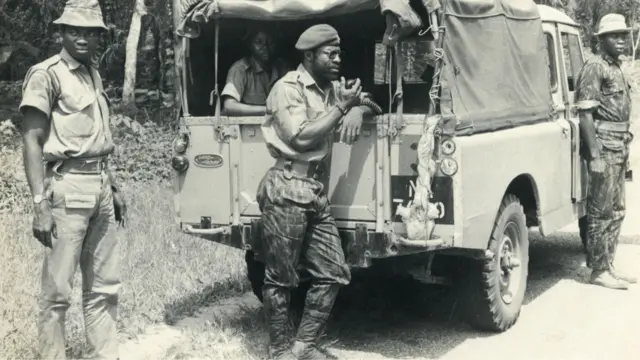
Di little wey dem sabi na from Leke father and Meji grandpapa, Godwin Alabi-Isama, former army commando wey fight on di side of di federal army against ethnic Igbo separatists wey dey fight for di southeast of di kontri for a breakaway state called Biafra.
Wia dis foto come from, Meji Alabi
Wia dis foto come from, Godwin Alabi-Isama
"I only just see am from Nigerian [federal army] perspective," Leke tok. "I neva know of di horrors. I neva know of di suffering and di pain of di oda side."
Throughout di Africa Eye documentary, survivors, now for dia 70s and 80s, recount dia experiences of living and fighting during period wey shape di lives of millions and still get relevance today.
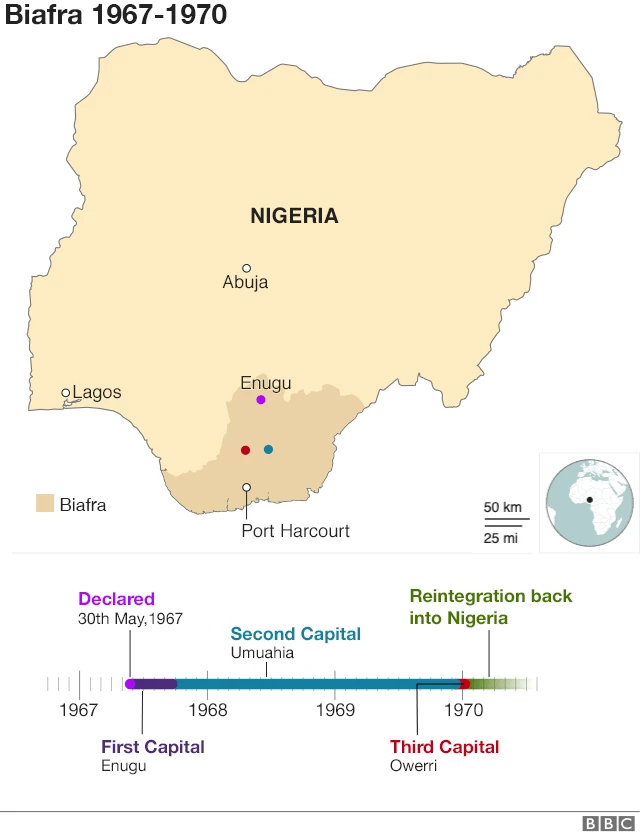
Di conflict, also known as di Biafran War, begin afta series of military coups and months of massacres against Igbo pipo wey dey live for di north for Nigeria.
Around one million Igbos den return to dia traditional home region for di south-east of di kontri, wia three states break away to form di independent Republic of Biafra.
Di Nigerian govment declare war - one of di bloodiest and most divisive conflicts wey dem don eva see for di continent.
E dey estimated say between 500,000 and three million pipo die, many of dem children, and e become di world first televised humanitarian disaster.
Wia dis foto come from, AFP via Getty Images
Graphic footage of starving children dey show for TVs for living rooms for di veri first time. Afta 30 months of fighting, Biafra surrender.
Most Nigerians learn about dis chapter of dia history through stories handed down through generations. For more dan ten years bifor September 2025, history no dey formally part of Nigeria national school curriculum.
For 44-year-old Leke, wey dem born and grow up for Abeokuta, Ogun State for south-western Nigeria, na "one line or two lines for book".
"E still no dey fully covered, you know, di extent of di suffering. And I tink, for me, Nigeria just dey scared to confront dia own truth," e tok.
Leke and im 23 siblings grow up hearing war stories from dia dad, Godwin Alabi-Isama, wey serve as chief of staff to Brigadier Benjamin Adekunle of di 3 Marine Commando during di conflict.
"E just feel like my dad dey known for helping liberate dis town and dis villages. I see am as war hero," e tok.
No be until im early 30s wen Leke start to research wetin happun during di war, e learn of di mass starvation for Biafra, im father controversial role for di conflict and di true extent of di suffering.
Di federal army, including 3 Marine Commando, face allegations of war crimes for dia conduct for Biafra, including executing civilians.
"Di first time I see dose clips of pipo, children starved… e dey horrific. And I tink dat na moment of truth for me," Leke tok.
"Dat na di moment for me wia di horrors of di war den become facts. Like, OK, somtin really terrible happun and my dad dey on di oda side of am.
"Wen you find out say, you know, your truth no be di only truth, na humbling moment."
Leke and Meji say dem no understand why many films by Nigerians about di civil war no dey, and e describe how difficult e dey find truthful account of wetin happun.
Dis na one of di many reasons di two of dem, wey dey usually work wit international music stars, want make dis documentary.
Wia dis foto come from, Meji Alabi
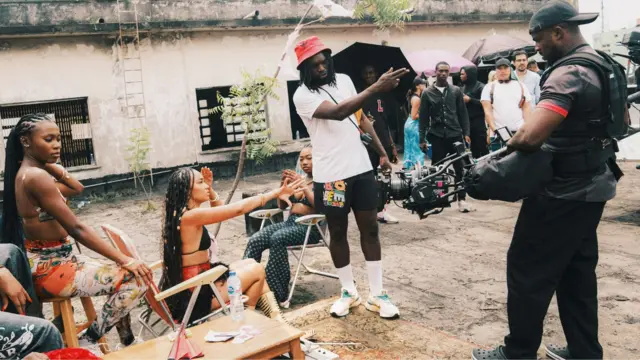
"Na topic wey dem dey whisper," Meji tok. Im music video productions dey play significant role in bringing Nigeria music scene to di world attention, wit dia characteristically complex choreography and colour attracting tens of millions of online views.
"E dey attacked head on and, you know, presented from inquisitive younger generation like dis bifor," e tok.
Di documentary pull togeda talent from across di region - wit Meji convincing Ghanaian composer Ray Michael Djan Jr, wey work on di soundtrack for Black Panther: Wakanda Forever, to do di music.
E also rely on di expertise of di BBC Igbo service, Igbo historians and feature first-hand accounts from survivors, some of dem neva speak publicly about dia trauma bifor.
"Dis generation dey slowly fade, and if we no preserve dia testimonies now, we risk losing not only dia memories, but di chance to fully document dis history in a way wey go contribute to understanding and healing," Leke tok.
Two of di central characters na former female sojas, wey fight on opposite sides. E also get interviews wit aid worker and former BBC correspondent Martin Bell, wey both voice dia criticism about di international response to di crisis.
While Leke and Meji don hear many war stories from Godwin Alabi-Isama bifor, dem neva dey position to ask difficult questions.
Di BBC editorial team lead di interview to ensure di former commander dey pushed on di war crime allegations against 3 Marine Commando.
During di conflict, di Nigerian govment also block food from entering Biafra - cutting di region access to seaports, airfields and foreign supplies.
Di blockade lead to famine and belief dey say na from starvation hundreds of thousands of pipo die.
Leke describe moment wia e show im dad di black-and-white footage of children wey hunger don make dem lean. E say since im "43 years of existence", e neva hear im father voice shake like dat until den.
"Even evri time I watch am back, wen e get to dat point, I get, goosebumps," e tok.
During di interview, im papa also describe how, unknown to am at dat time of di conflict say e chop human flesh.
Di moment of cannibalism happun villagers wey dey Biafran terriotiry serve im unit food.
In response to di forthcoming documentary, Nigeria govment say dem hope e go serve as reminder of how far di kontri don come in di last 59 years "and of di enduring importance of dialogue, reconciliation and shared purpose in building a stronger nation for generations to come".
Both Leke and Meji go like dat - and more.
"My hope na say dis film encourage Nigerians to confront di darker parts of our shared history wit honesty, reflection, and empathy," Leke tok.
Meji agree: "We really hope dis documentary encourage more survivors to tell dia stories and document our history further. E dey up to us to do am."
Additional reporting by Charlie Northcott, Izzy Fleming and Adline Okere