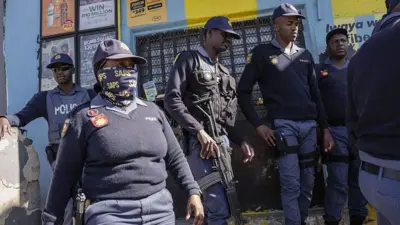
Why Trump sama Nigeria, South Africa and odas wit fresh tariffs - full list of countries
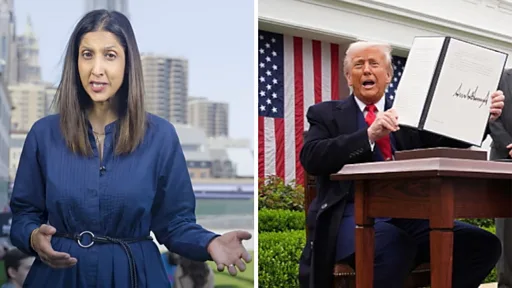
- Author, Michael Race
- Author, Francisco Velasquez
- Reporting from, New York
- Author, Jemma Crew
- Author, Osmond Chia
- Published
- Read am in 5 mins
US don put fresh tariffs (import tax) on goods wey dey come from about 60 countries and trading partners as part of di trade war wey President Donald Trump revive afta e return to office last year.
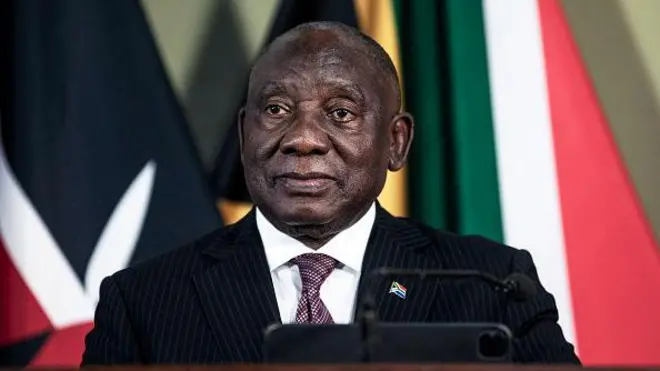
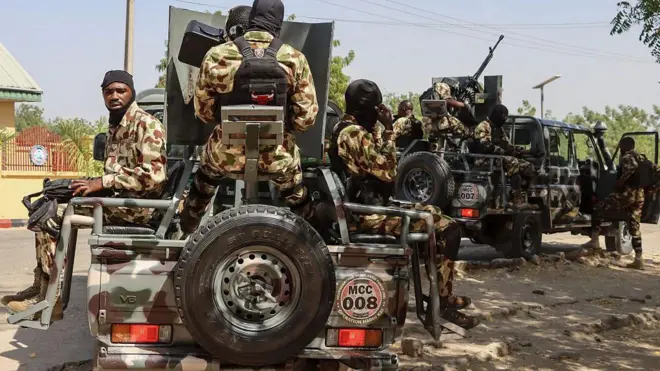
Countries and regions wey dey affected, wey include Africa, UK, China and European Union (EU), go now pay between 10% and 12.5% tariff on almost all goods wey dem export enta America.
Dis new tariff go replace one similar levy wey go expire on Friday.
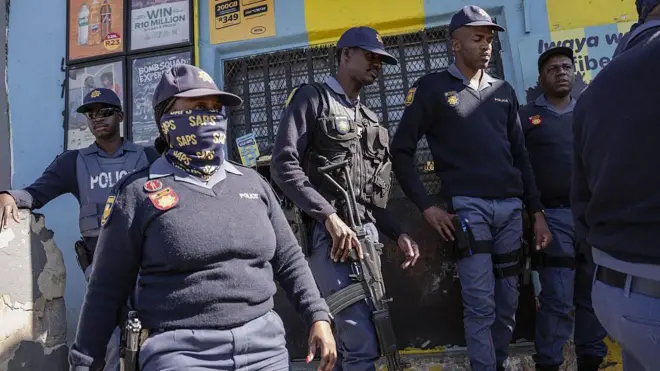
US govment tok say dem take dis action becos many of dia major trading partners no do enough to stop forced labour plus oda unfair labour practices for dia supply chains.
Di move fit make imported goods cost more for American consumers and fit also increase tension for global trade relations.
But US trade expert Caroline Freund say di move no dey "about forced labour" but say Trump just dey "dey find legal reason to put di tariffs in place".
US Supreme Court bin rule earlier dis year say many of di tariffs wey oga Trump impose globally under emergency powers dey illegal.
Di White House bin propose di 10%-12.5% duties on imports last month ova concerns say dem no dey do enough to tackle forced labour.

End of Di one wey oda users dey read well well
" Dis action wey we take today go start to correct two major problems: human rights abuse and unfair trade practices wey dey distort market competition. Di aim na to improve di welfare and working conditions of workers all ova di world," US Trade Representative Jamieson Greer tok.
Di new duties apply to di top 60 US trade partners wey cover 99.4% of US imports, di Office of di US Trade Representative tok.
Di new tariffs be like "like for like" swap wit di regime wey expire on Friday, Freund, Dean of di UC San Diego School of Global Policy and Strategy, tell BBC Today programme.
Wen dem ask her about di forced labour justification, Caroline Freund say she believe say di US govment bin dey find legal grounds to reintroduce di tariffs afta previous court challenges.
She add say from wetin US Trade Representative Jamieson Greer and President Donald Trump don tok bifor, di real aim of di tariffs na to reduce America trade deficit and boost manufacturing jobs for di US, no be to necessarily to tackle forced labour.
Di levies go likely raise costs for businesses and consumers, although di impact fit no dey too hard sake of di number of exempted goods, Asia Society Policy Institute economic security expert Wendy Cutler tok.
She add say most trading partners go dey disappointed wit di new levies and dem go likely focus on ways to "reduce dia dependence on di US" by making deals wit oda countries.
Di head of di British Chambers of Commerce (BCC) tok say UK don lost dia comparative advantage against di European Union sake of di new tariffs.
William Bain tell BBC say EU get 10% all-inclusive deal for tariffs on dia goods, while UK dey face 10% universal tariffs on top of any duties imposed on individual goods.
Which tariffs Trump new levies dey replace?
- Dem announce Trump so-called "Liberation Day" tariffs for April 2025, but court strike am down for February 2026
- Dem replace am by temporary 10% levy on all global imports, wey expire on Friday
- Dem don replace am now by di new tariffs of 10% to 12.5% on all goods from di countries targeted.
Dem go subject trading partners wey don "make commitments to adopt, and effectively enforce" bans on forced labour imports to 10% tariff, while dos wey neva do am go get di higher 12.5% rate, di Office of di US Trade Representative tok.
How countries around di world don respond?
Nigeria govment neva respond to dis new tarrif, howeva govments of oda nations don tok how e go take impact dem.
UK govment say firms no dey face changes to di tariff rate dem dey face.
"We take forced labour very seriously to ensure say for global supply chains UK businesses no dey involved," one govment tok-tok pesin tok.
And UK whisky no go dey affected by di new tariffs, afta Trump strike one deal to exempt di tipple during King Charles and Queen Camilla state visit to US.
Oda countries don condemn di announcement, as Brazil govment call di new 12.5% rate dem dey face "unjustified".
Japanese govment on Friday say dem regret di new tariffs, while Australian Trade Minister Don Farrell tok say di levies dey "completely unjustified".
China don tok bifor say dem dey against any form of unilateral tariff, and deny allegations of forced labour.
"No so-called forced labour for China, and we oppose using dis as an excuse for political manipulation," Chinese foreign ministry tok-tok pesin Mao Ning tok.
But several international human rights groups say forced labour dey exist for China, particularly among Muslim ethnic minorities in Xinjiang.
Wia dis foto come from, Getty Images
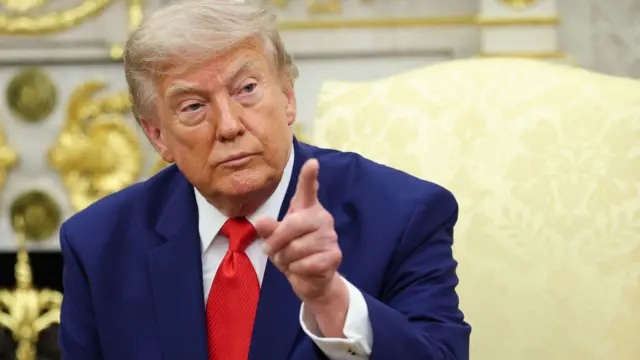
Trump signature policy
Trump for long don argue say tariffs dey protect American workers and boost di US economy.
For April 2025, Trump bin sama tariffs of up to 50% on global trading partners on top wetin e call "Liberation Day", wey di aim na to address wetin e see as unfair treatment of America.
For February, di US Supreme Court bin strike down dos tariffs and say di president don exceed im authority.
But di White House don since look at alternative ways to impose import duties, wey include one sweeping 10% levy as part of temporary solution wey expire on Friday.
Washington don also impose oda tariffs on countries like Brazil and Canada.
US and China don also dey for tit-for-tat tariffs war, wey currently dey on hold.
Trump don use tariffs to press countries, like Mexico, on non-trade issues.
Di administration still fit impose further tariffs as dem currently dey investigate 16 countries - wey dey account for di vast majority of US imports - on top claims of manufacturing overcapacity.