Strong winds likely behind wildfire spread in Greecepublished at 19:43 BST
 Stav Danaos
BBC Weather
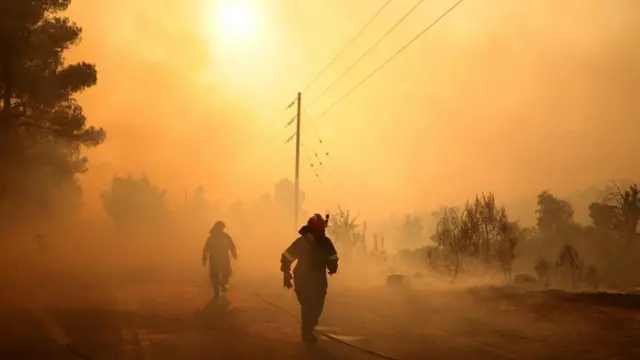 Image source, Reuters
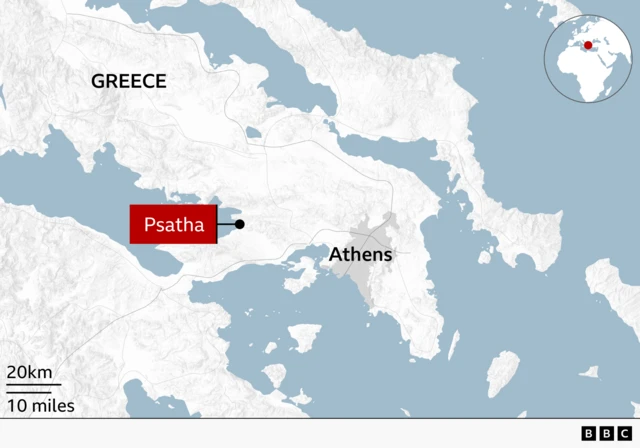
Unlike much of western and southwestern Europe, Greece has experienced a relatively average summer so far, with no significant or prolonged heatwaves and temperatures that are typical for a Greek summer.
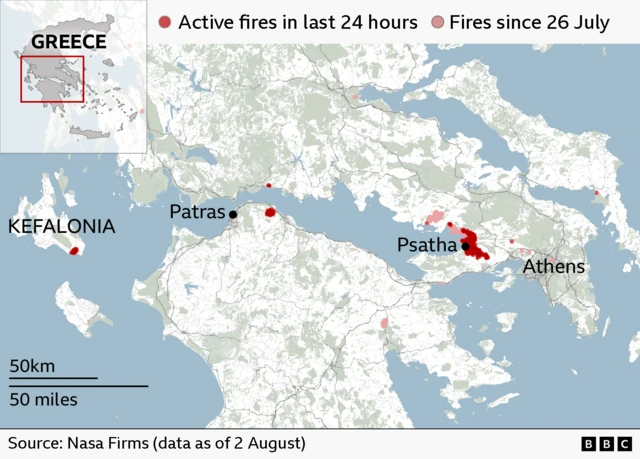
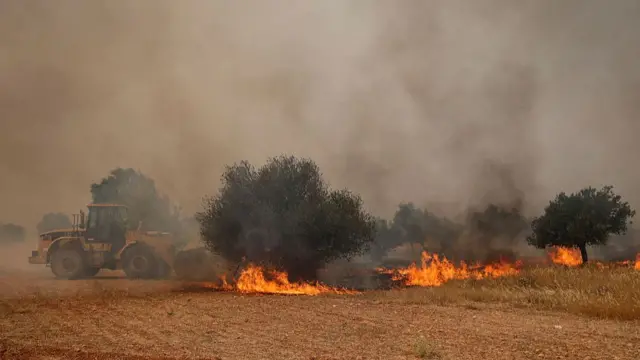
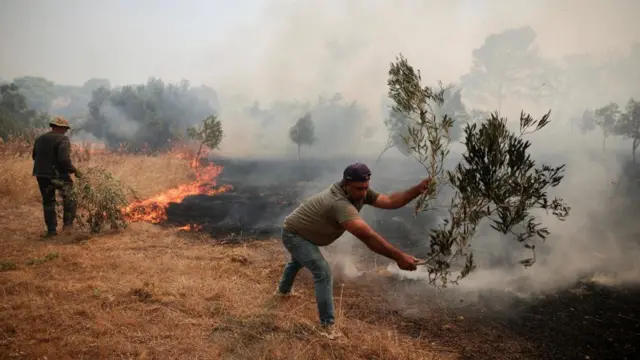
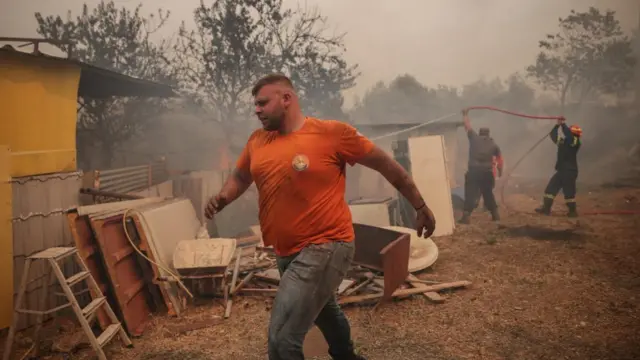
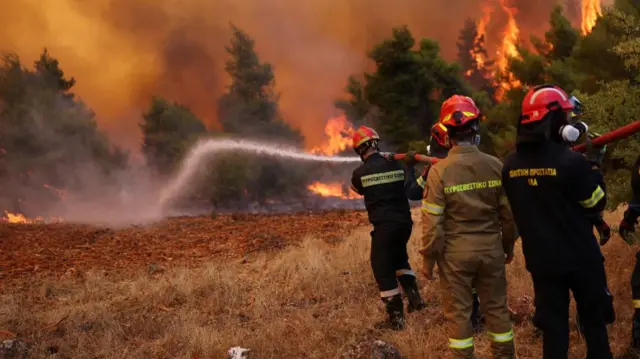
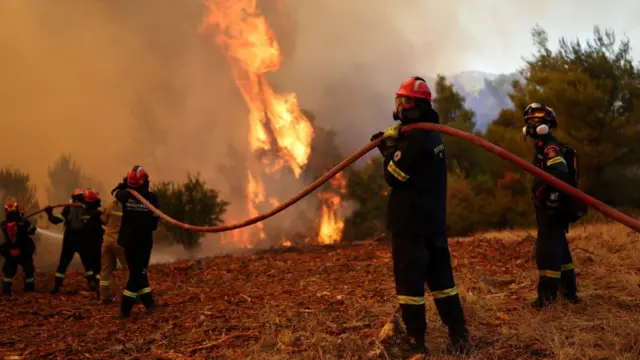
Despite the absence of extreme temperatures, the current wildfires have been fuelled by a combination of dry vegetation and more especially, strong winds.
The most significant factor in the current fires' rapid growth has been the Meltemi - the dry, gusty northerly winds that commonly affect Greece during July and August.
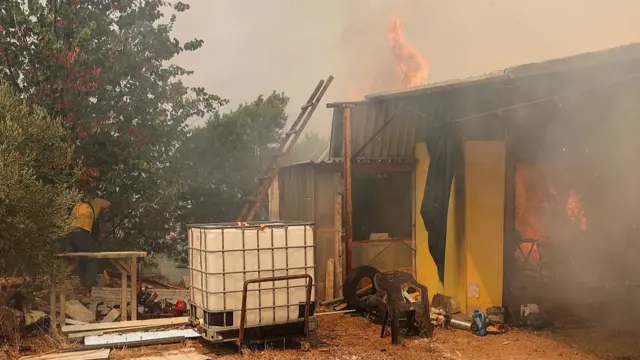
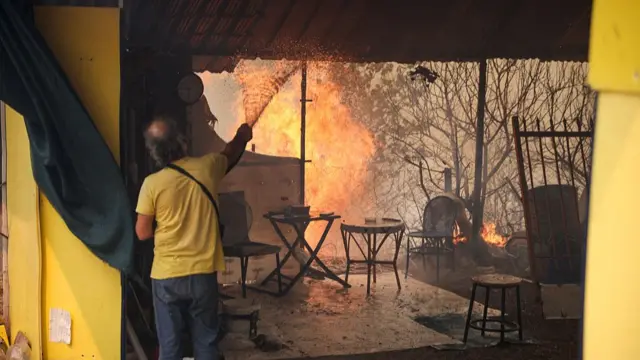
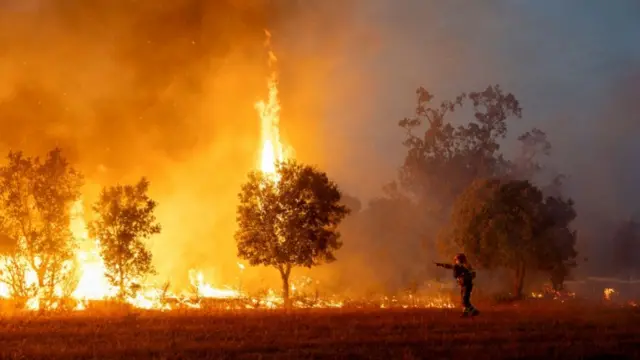
In some of the affected areas, gusts have reached 80 - 100 km/h, (49-62mph) fanning flames, carrying burning embers far ahead of the main fire front and igniting new spot fires.
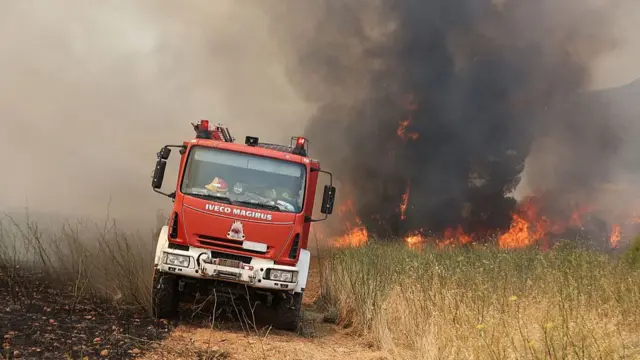
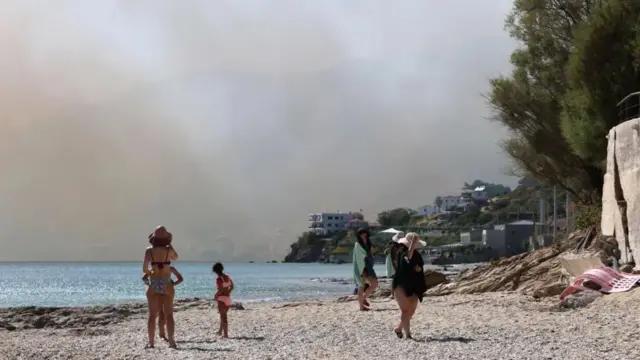
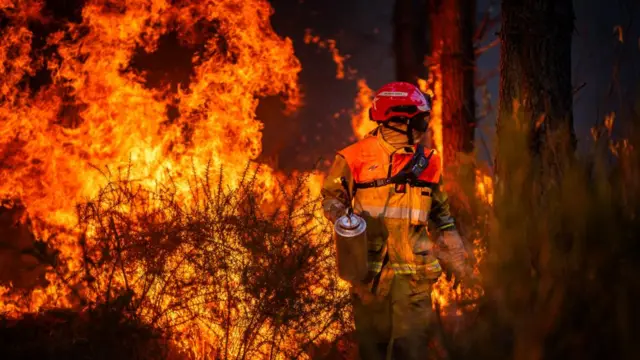
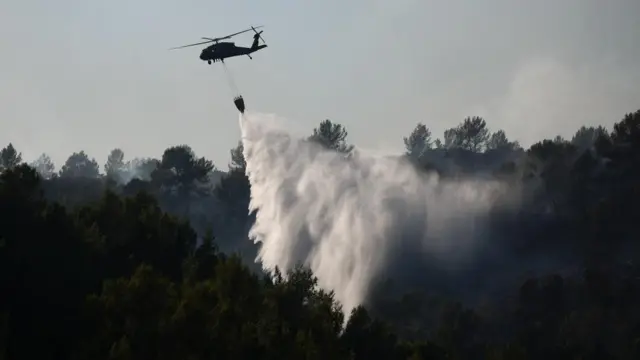
These powerful winds can also cause fires to change direction with little warning, making evacuations more challenging and limiting the ability of firefighters, particularly aircraft, to safely and effectively contain the blazes.
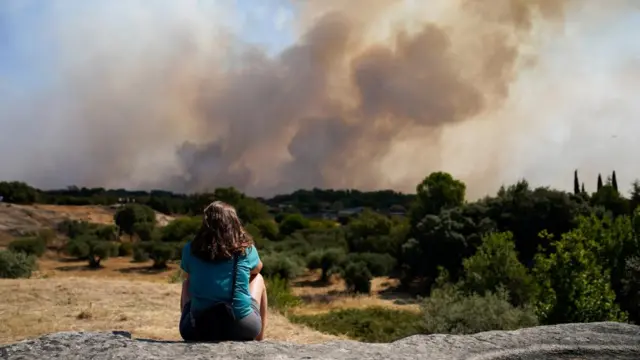
In contrast to Greece, much of western and southwestern Europe - including Spain, Portugal, France and parts of Italy - has experienced repeated episodes of extreme heat this summer, with temperatures exceeding 40°C, leaving vegetation exceptionally dry and highly susceptible to wildfire.
Looking ahead through the rest of this week, Greece is expected to remain hot but largely free of extreme heat, with the greatest wildfire threat continuing to come from persistent Meltemi winds interacting with dry vegetation.
Across southern Europe more broadly, above-average temperatures and predominantly dry conditions are forecast to persist, maintaining an elevated risk of fires to spread once ignited.