Powell's years at the Fedpublished at 21:15 BST
 Michelle Fleury
New York business correspondent
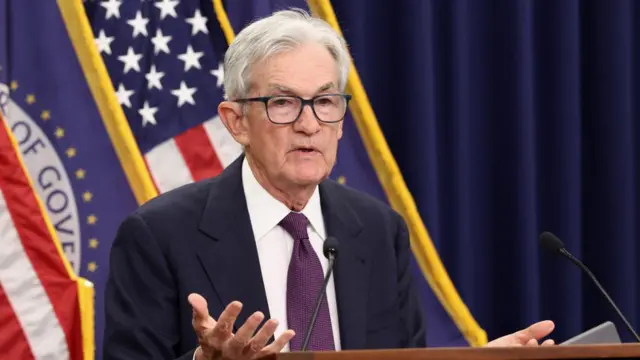
Jerome Powell’s term as Fed chair is winding down (though he’ll stay on as a governor for a bit), and it’s a good moment to take stock.
When Covid hit, the Fed moved fast. Rates went to zero, and emergency lending programmes were rolled out to stop credit markets from freezing. It didn’t solve the crisis, but it helped steady the system when things were falling apart.
As Powell has put it, the backdrop itself has changed: “It’s been very challenging — a supply shock world. For 25 years before that, it was mostly demand management. It’s just very different now.”
The criticism came later. Even as inflation surged, the Fed didn’t start raising rates until March 2022.
Critics say that delay forced much sharper hikes later. And it’s what led Donald Trump to brand Powell “too late,” alongside pressure over the Fed’s independence as he pushed for faster cuts.
But the outcome now looks different. The recession many expected never arrived. Inflation has come down without a major downturn. It’s the kind of “soft landing” central bankers rarely pull off.
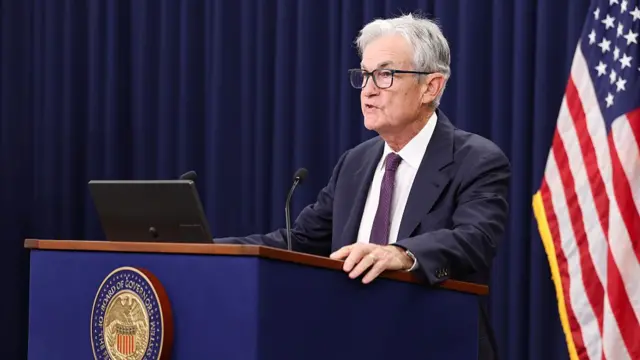
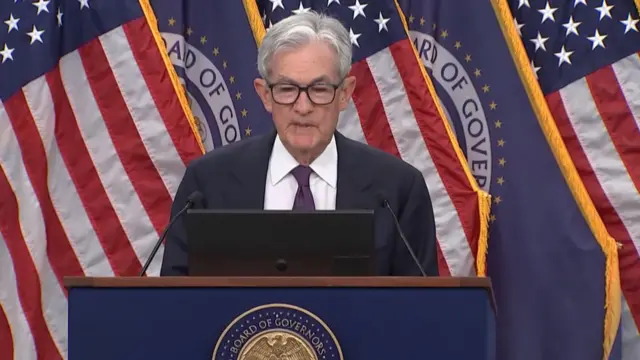
Powell was asked about his legacy at a recent press conference. He brushed it off, saying: “That’s for someone else to say. I’ll give you a mulligan on that.”
In the end, his record may be less about perfect calls — and more about keeping the system steady under real pressure.
- We've now finished our live coverage, but you can read the key takeaways from today's Fed announcement here.