

EXPLORE EPISODE ONE - 40 to 37
Local Navigation

Bringing to life spectacles of natural wonder on our doorstep
No.40
Toads
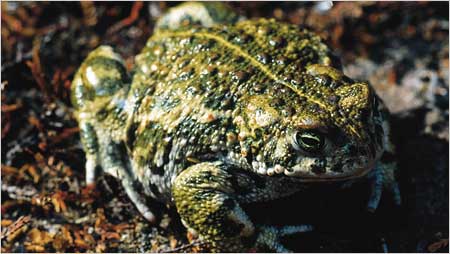
The Natterjack Toad (Bufo calamita) can claim to be the noisiest amphibian in Europe with a call that can be heard several kilometres away.They’re the only amphibian to use the air in their throat sacks to vibrate making the high pitched chorus.
They can also camouflage themselves into the background by darkening and lightening their skin. Although many predators avoid the Natterjack because it’s skin is poisonous, crows and seagulls somehow manage to remove the skin before eating the rest of the toad. Natterjacks can live to be 15 years old, but few survive that long.
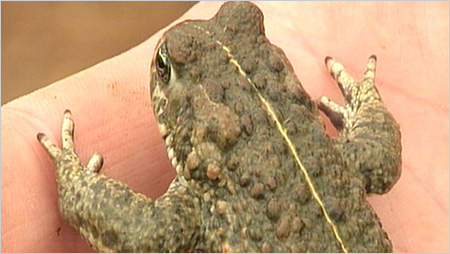
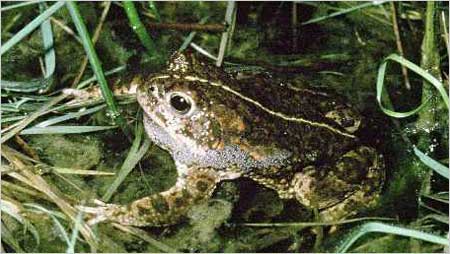
Natterjacks are usually 6 – 8cm long with females larger than males.
They can live for 12 – 15 years although because of predators very few survive that long.
They have a distinctive yellow stripe down their backs and their feet aren’t completely webbed.
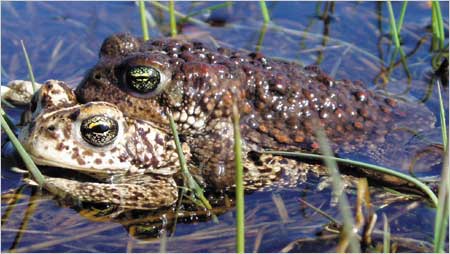
Males have a large vocal sac and nuptial pads. These are hard pads on their front limbs which are used to hold onto the females during mating.
Natterjacks aren’t good swimmers and can drown in deep water.
Find out more about Natterjack Toads...
Weblinks
Cumbria Wildlife, for Natterjack sites in South Cumbria
Cumbria Wildlife Trust, Wealth of Wildlife
To find our more about amphibians contact an ARG Herpetofauna Group
Reptiles and amphibians of the UK
The BBC is not responsible for the content of external internet sites.
Photo gallery
Watch and Listen
Mike Dilger goes out to see the Natterjack toads in full song as they try to attract a mate:
Hear the sounds of the Natterjack toads 'song' from Amphibiaweb:
The BBC is not responsible for the content of external internet sites.
Help playing audio/video
Tips
Tips for viewing this species:
- The best time to see Natterjacks is April to mid-May.
- Good places to see Natterjacks are, the Duddon Estuary, just a few miles north of Barrow in Furness, Ainsdale National Nature Reserve on Merseyside and Caerlaverock Nature Reserve near Dumfries.
- The main areas where there are natterjack toads are Suffolk, Norfolk, Lincolnshire, Lancashire and Cumbrian coasts. There are smaller numbers of them in Bedfordshire, Staffordshire, Kent, Oxfordshire, Surrey, Hampshire and Dorset.
- Red Rocks Marsh nature reserve is where the River Dee meets the Irish Sea on the corner of the Wirral and it has the only breeding colony of Natterjack toads on the Wirral Peninsula.
- Check out your local Wildlife Trust or Natural England for organised walks in search of Natterjacks in your area.
- Going to the location on a warm spring night is the best way to hear the sound of the natterjack's song. It may be better to familiarise yourself with the area in daylight so that you are aware of any hazards such a boggy ground.
- The Natural England reserve at Ainsdale in Lancashire is another good place to see Natterjacks.
Habitat
Natterjack Toads are rare in the UK and although once common in the south the best place to find them now is in the west of England and Scotland – Lancashire, Cumbria and Dumfries. A fifth of the UK's total natterjack population can be found around the Duddon Estuary near Barrow in Furness.
What Natterjacks need are loose, sandy soil and shallow brackish pools (pools containing a mixture of sea water and fresh water). So areas around sand dunes are ideal. The decline in the Natterjack population has been attributed in part to changes including sand dunes becoming more fixed.
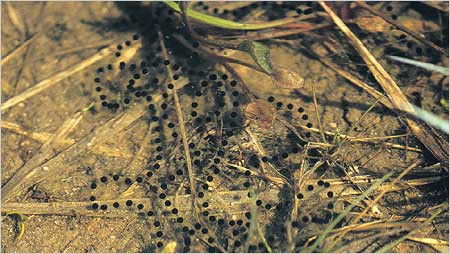
The male toads emerge from burrows in the loose soil and gather in the pool on warm nights round about April and call for a mate. The females lay 3,000 – 4,000 eggs which take 5 – 8 days to hatch, and the tadpoles are the smallest of all European tadpoles. Natterjacks have a long breeding season lasting from April to July.
They are protected by law. Intentionally injuring or killing toads is prohibited, as is damaging or destroying their breeding sites and resting places
No. 39 - Wood Ants
Meet Britain's largest native ant species and find out about the huge nests the ants build.
Best places to see - Coed Y Brenin forest near Dolgellau in Wales.
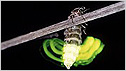
No. 38 - Glow Worms
The worm that isn't a worm at all. Find out about the mating display of the Glow Worm, which is infact a firefly.
Best places to see - Buckinghamshire.
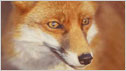
No. 37 - A Leash of Foxes
If you've been hearing bloodcurdling screams in your garden at night, it could be the sound of foxes.
Best places to see - UK-wide, in the countryside and in urban gardens.


Also on Nature's Top 40
BBC Nature & Wildlife
More from bbc.co.uk nature


BBC iD
BBC iDBBC navigation
BBC links

BBC © 2014The BBC is not responsible for the content of external sites. Read more.
This page is best viewed in an up-to-date web browser with style sheets (CSS) enabled. While you will be able to view the content of this page in your current browser, you will not be able to get the full visual experience. Please consider upgrading your browser software or enabling style sheets (CSS) if you are able to do so.
