

EXPLORE EPISODE ONE - 40 to 37
Local Navigation

Bringing to life spectacles of natural wonder on our doorstep
No.37
Foxes
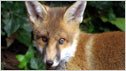
Fox is a name applied to approximately 25 species of small to medium-sized canids in the tribe Vulpini. This group of mammals exhibit sharp features and a bushy tail or brush.
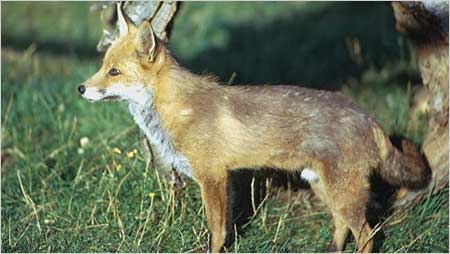
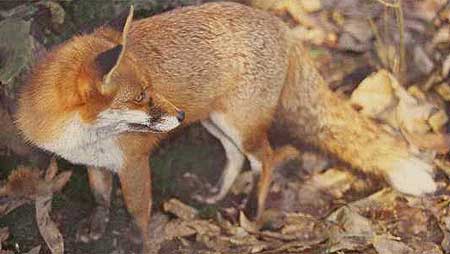
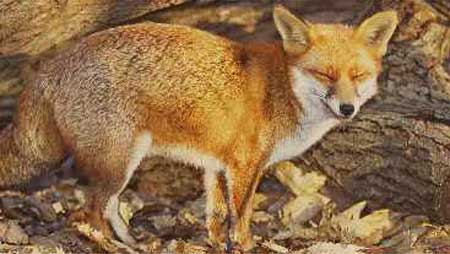
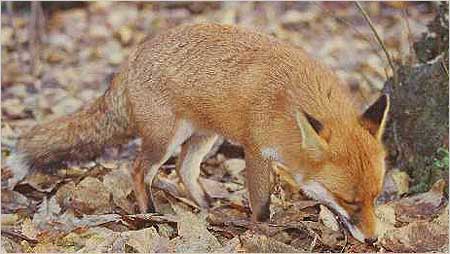
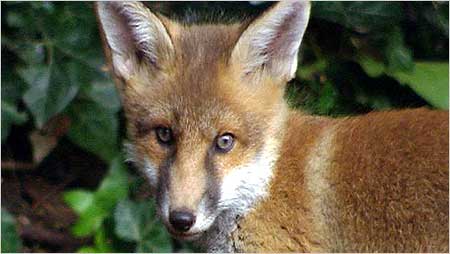
By far the most common and widespread species of fox is the Red Fox (Vulpes vulpes). The Red Fox has orange/red fur, the tail normally ending with white marking. Foxes are generally smaller than other members of the family Canidae such as wolves, jackals, and domestic dogs. The fox has been Britain’s only wild member of the dog family since wolves disappeared around 200 years ago.
During the mating season between December and February foxes may be heard making ‘bloodcurdling screams’ at night, otherwise they’re fairly quiet animals. Fox litters are usually born in the spring and the average size of a litter is four or five cubs.
Most foxes live two to three years, but they can survive for up to 10 years or even longer in captivity.
Head and body length: 50 – 90cm
Tail length: 30 – 50cm
Standing height: 35 – 45cm
Weight: 6 – 10kg
Fox-like features typically include a pointed "fox face" and bushy tail.
For more information about foxes...
Weblinks
The New Forest Otter, Owl and Wildlife Conservation Park
The BBC is not responsible for the content of external internet sites.
Photo gallery
Watch and Listen
Janet Sumner visits a suburban garden to watch foxes arriving to eat the food that's put out for them by the owner:
Foxes in the news, making a home in a domestic garden in Loughborough
Help playing audio/video
Tips
Tips for viewing this species:
- Foxes are mainly active between dusk and dawn. They tend to spend their days in sheltered spots or underground. Late April until the end of June is the best time to look out for them.
- There’s conflicting advice about feeding foxes if you find one in your garden. On the one hand the fox will be happy if you feed him cooked or raw meat, meat bones, chicken carcasses, cheese or other scraps from your table. However foxes can damage gardens by digging, burying food or even killing chickens. If you’re concerned about the damage that the fox may do to you or your neighbours gardens then it’s best not to feed them.
- When looking after her litter in spring/summer, a vixen will move them a number of times to different dens. Disturbance from people visiting a den may prompt a move.
- Stay downwind of foxes whilst you watch them. If they catch your scent, they’ll be off!
Habitat
There are foxes all around Great Britain but, although they do live on Anglesey and the Isle of Wight, they’re not found on the smaller islands around England and Wales.
Red Foxes live in woodland or scrub such as heaths and heathers. Space is a very important resource for the fox and Red Foxes can dominate a territory of three to eight square kilometres.
Each family needs several safe den sites in which to raise their cubs in addition to safe resting sites outside the den. Although red foxes may have five or six cubs, usually only two or three survive.
Red Foxes have also moved into more urban settings making homes in suburban gardens. They appear to favour residential suburbs where along with open spaces gardens provide a certain amount of cover.
Unlike many canids, foxes are not usually pack animals. Typically, Foxes are solitary, opportunistic feeders that hunt live prey (especially rodents). They usually hunt for food at night. Using a pouncing technique, practiced from an early age, they are usually able to kill their prey quickly.
Foxes also gather a wide variety of other foods ranging from grasshoppers to fruit and berries and urban foxes will scavenge through dustbins. Foxes sometimes kill large numbers of ‘easy prey,’ for example, domestic chickens, without eating all of them. This is called surplus killing and is something which a number of predators will do.
No. 40 - Courting Toads
Find out where to see Europe's noisiest amphibian, which can be heard several kilometres away.
Best places to see - the Duddon Estuary near Barrow in Furness, East Anglia, Lincolnshire and Lancashire coasts.
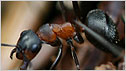
No. 39 - Wood Ants
Meet Britain's largest native ant species and find out about the huge nests the ants build.
Best places to see - Coed Y Brenin forest near Dolgellau in Wales.
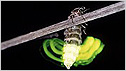
No. 38 - Glow Worms
The worm that isn't a worm at all. Find out about the mating display of the Glow Worm, which is in fact a firefly.
Best places to see - Buckinghamshire.


Also on Nature's Top 40
BBC Nature & Wildlife
More from bbc.co.uk nature


BBC iD
BBC iDBBC navigation
BBC links

BBC © 2014The BBC is not responsible for the content of external sites. Read more.
This page is best viewed in an up-to-date web browser with style sheets (CSS) enabled. While you will be able to view the content of this page in your current browser, you will not be able to get the full visual experience. Please consider upgrading your browser software or enabling style sheets (CSS) if you are able to do so.
