최신 The Reading Room


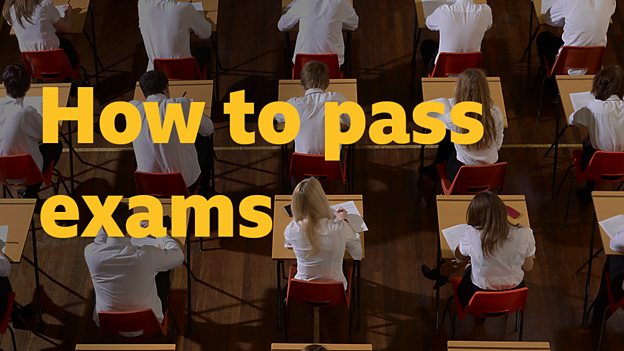
How exercise could boost your exam grades
Episode 261012 / 12 Oct 2026
Sweat your way to exam success

Eating together: What's so good about it?
Episode 261005 / 02 Sep 2026
Humans have eaten together since the discovery of fire


The city streets beneath our feet
Episode 260921 / 21 Sep 2026
What historic worlds can you find underground in the UK?

Saved by cuteness
Episode 260914 / 14 Sep 2026
Find out why some animals are more likely to be protected

Is slouching really that bad for us?
Episode 260907 / 07 Sep 2026
Find out what the experts say about your posture

How seasons affect our mood
Episode 260831 / 31 Aug 2026
Have you ever wondered why you feel a certain way in different months?

How do polyglots learn languages?
Episode 260824 / 24 Aug 2026
A polyglot is someone who is proficient in multiple languages.

Does where you grow up shape your personality?
Episode 260625 / 25 Jun 2026
Are certain regions more likely to have higher levels of a certain personality trait?

Do birds build their homes like humans?
Episode 260518 / 18 May 2026
Birds teach each other how to build a home
How micro-dramas could revolutionise our viewing habits
Episode 260514 / 14 May 2026
How much drama can fit into one minute?
What happens when your job is just too boring?
Episode 251110 / 10 Nov 2025
Are you suffering from rust out?

What are the chances of an asteroid hitting you?
Episode 251109 / 09 Nov 2025
Practise your reading skills and learn about whether it's possible you could be hit by an asteroid!

Britain celebrates 200-year anniversary of passenger trains
Episode 251108 / 08 Nov 2025
Practise your reading skills and learn about the history of trains in English
Can we trust technology in sport?
Episode 251107 / 07 Nov 2025
Practise your reading skills and learn about how well technology is being used in sport
Life lessons learnt from pocket money
Episode 251106 / 06 Nov 2025
Practise your reading skills and learn about the pros and cons of pocket money in English
Is your dog reading your mind?
Episode 251105 / 05 Nov 2025
Practise your reading skills and learn about pets reading your mind in English
How can restaurants earn a Michelin star?
Episode 251104 / 04 Nov 2025
Practise your reading skills and learn about Michelin stars in English
Is food colouring bad for you?
Episode 251103 / 03 Nov 2025
Practise your reading skills and learn about whether food colouring really is bad for you
Small steps to build long-lasting habits
Episode 251102 / 02 Nov 2025
Practise your reading skills and learn about habits in English

Why some people believe AI is human
Episode 251101 / 01 Nov 2025
Practise your reading skills and learn about how AI can seem human in English
How to make a good apology
Episode 250924 / 24 Sep 2025
Practise your reading skills and learn about the art of a good apology in English
Beating brain fog
Episode 250923 / 23 Sep 2025
Practise your reading skills and learn about brain fog and how to avoid it

The joy of missing out
Episode 250922 / 22 Sep 2025
Practise your reading skills and learn the difference between 'FOMO' and 'JOMO'
Making friends as you age
Episode 250921 / 21 Sep 2025
Practise your reading skills and learn about ways to make friends as you reach adulthood
Morning shower or evening shower: Which is best?
Episode 250920 / 20 Sep 2025
Practise your reading skills and learn about hygiene in English
What can magic teach us about the brain?
Episode 250919 / 19 Sep 2025
Practise your reading skills and learn how illusions can tell us what happens in our brain
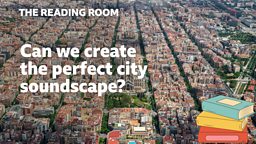
Can we create the perfect city soundscape?
Episode 250918 / 18 Sep 2025
Practise your reading skills and learn about city soundscapes

The world's first digital country
Episode 250917 / 17 Sep 2025
Practise your reading skills and learn about a country that is slowly sinking underwater
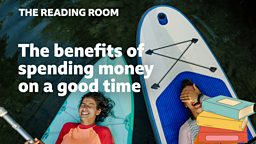
The benefits of spending money on a good time
Episode 250916 / 16 Sep 2025
Practise your reading skills and learn whether it's better to treat yourself by buying a thing or an experience
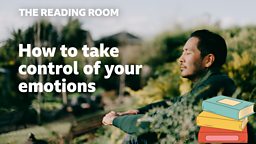
How to take control of your emotions
Episode 250915 / 15 Sep 2025
Practise your reading skills and learn about emotion regulation