How to put the flavour back into food
By Sue Quinn
Is the produce we eat as tasty as it used to be? And if not, are there simple, budget-friendly ways to give everyday foods a flavour boost?

We all perceive flavour differently. Our genes, age, childhood food experiences, memory and eating habits all impact how things taste to us. Flavour can also be hard to measure. But some experts believe even after taking these factors into account, certain fruit, vegetables and meat have lost some of their flavour over recent decades.
Sweeter but blander?

Professor Monique Simmonds OBE, Deputy Director of Science at the Royal Botanic Gardens Kew, explains that over the past few decades, fruit has been bred to taste sweeter and/or less bitter than it once did. “If you compare an old variety of an apple like a Cox or a Russet with a mass market Jazz or Pink Lady, you can see a big difference in the chemistry in those apples,” Prof. Simmonds says. “Mass market apples are developed very much for their sweetness.”
The same has happened to varieties of oranges, as growers have bred out bitter or sour characteristics. This might appeal if you have a sweet tooth, but without tartness, for some people, fruit can taste flat and flavourless. “You could say blandness has come across in quite a lot of our breeding programmes,” Prof. Simmonds says.
Another explanation for loss of flavour is if fruit and veg is harvested before it has a chance to ripen or has been specially developed by growers not to go soft. This makes fruit and vegetable less likely to get damaged or spoil when transported long distances. The problem is, unripe produce lacks flavour, especially fruit, says Dr Meriel Jones, a lecturer in biochemistry and systems biology at Liverpool University. “The objective with ripening fruits is to attract animals to eat them, then excrete the seeds and distribute them around the landscape,” Dr Jones explains. “That’s why animals - including humans - like sweet soft fruit.” But if fruit is picked before it ripens, the compounds that make it taste and smell good don’t develop.
Related articles

Loss of flavour can also be a side effect when growers prioritise characteristics. For example, some tomatoes and strawberries are bred to produce lots of very large fruit. “These traits inherently run counter to flavour,” says Harry Klee, professor of horticultural sciences at the University of Florida. “As yield increases, it eventually surpasses the capacity of the plant to fill the fruit with nutrients, which are precursors to flavour. Sugar and nutrient content are diluted out across all the fruits on the plant, and you end up with more water and less flavour per fruit.”
Chilling during transportation and storage extends the shelf life of fresh fruit and vegetables but sometimes at the expense of flavour. ‘Flavour scalping’ is another problem; it’s a food industry term to explain what happens when desirable food flavours are altered by long exposure to packaging.
Sometimes, food loses its flavour rapidly after harvest. Imported asparagus may taste blander than freshly picked because some of the sugars have turned to starches by the time it reaches the UK.
How to boost flavour in your diet
From shopping around to food flavour hacks that boost disappointing produce, we asked the experts how you can make your food taste better.
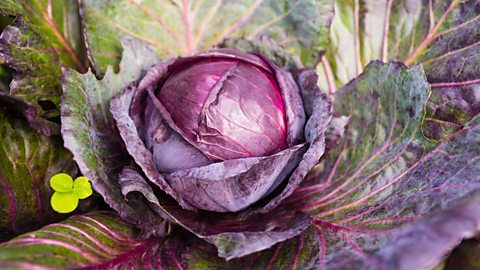
Look for varieties that pack a flavour punch
Dr Jones points out that not all produce has declined. Brassicas (cabbage, Brussels sprouts, broccoli, and kale) are less bitter and more delicious than they once were. “You couldn’t buy raspberries in shops in the past, and they were often mouldy when you did find them. But they now appear in good condition and have a good flavour,” she says. “Some potatoes have a good flavour and there are more varieties in supermarkets than there used to be.” Crucially, improvements in the way produce is grown and transported have given many more people access to nutritious fresh food than before, she says.
In recent years there’s been a revival of older, ‘heirloom’ varieties of fruits and vegetables among gardeners and farmers. Seeking out a variety that's new to you, whether at a farmer's market or supermarket, could reward you in flavour and support a more diverse ecosystem. These products can cost significantly more than the cheapest fruit and veg and aren’t available everywhere.
What you buy and when
Fruit and vegetables in season and/or grown locally are often more flavoursome because they haven’t travelled for as long as those shipped from far away. Locally grown produce is also more likely to be harvested at the peak of ripeness when it tastes best. Look out for British-grown produce in supermarkets.
Of course, flavour isn’t all about the distance produce has travelled; all produce varies. A locally grown carrot doesn’t necessarily taste better than an imported one, so experiment with different varieties and shop around.
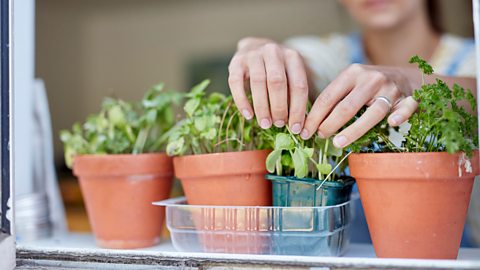
Home-grown fruit and vegetables often taste better than shop-bought because they’re fresher, and you can grow particularly flavourful varieties. You don’t need a large garden to do this, as most fruit and many vegetables can be grown in containers, or window sills.
Storing food
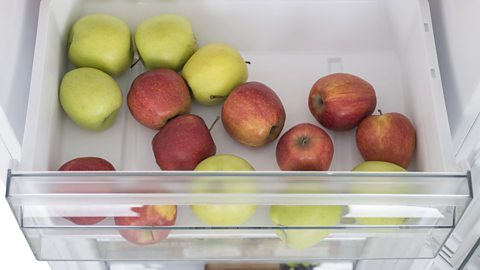
To maintain flavour, not all produce should be stored in the refrigerator. According to the Postharvest Technology Centre at the University of California, produce such as bananas get damaged in refrigerator temperatures – their skins turn black, and the flesh loses sweetness.
These foods are also best stored at room temperature for best flavour: aubergines, basil (in water), citrus fruit, cucumbers, garlic, onions, papayas, peppers, persimmons, pineapple, plantain, pomegranates, potatoes, pumpkins, sweet potatoes, tomatoes, watermelons and winter squash. Apples may taste more flavourful at room temperature, so keep them out if you want to eat them soon, but refrigerate them if they'll last longer than a week.
If you’ve bought unripe or hard tomatoes, avocados, kiwis, nectarines, peaches, pears or plums, try leaving them in a warm place, in the sun, or even on a window ledge. They’ll continue to ripen and develop more flavour. Once ripe, they will keep for longer in the fridge.
Boosting flavour in food
There are lots of tips and tricks to boost the flavour of fruit and veg when you’re preparing it, says food consultant and chef, Rebecca Woollard. Here are a few of her favourite ideas, and some of ours, too:
- Roast vegetables to concentrate their sugar content before blending them into soup or adding to curry, especially produce like squash, courgettes, and parsnips, which can taste lacklustre boiled.
- Take salad vegetables out of the fridge and bring to room temperature before serving. “You get so much more flavour from that little change,” Woollard says.
- Apply high heat to caramelise the sugars in your vegetables to add another layer of flavour. Griddling, frying, roasting or stir-frying, cooking with a high heat gives a sweet and smoky edge. Try Tom Kerridge's grilled vegetable and halloumi salad.
- Leave tomatoes in the sun to warm up and continue ripening. If irretrievably hard and tasteless, try roasting them for a tomato risotto.
- Cook fruit that tastes disappointing raw, as it will concentrate the flavours. Nigella turns disappointing hard fruit into an unusual strawberry crumble. Mary transforms woolly apricots into a beautiful tart with frangipane and a boost of apricot jam to make them shine.
Seasoning
We should all watch our salt intake, but good seasoning enhances the flavour of most foods. A sprinkling of salt over fruit that’s bland or not quite ripe can make the sweet flavours taste stronger. Equally, a squeeze of lemon or lime juice over very sweet fruit can give them a brighter, more complex flavour. Likewise, a pinch or sugar can be used as a seasoning for vegetables that need a boost. Combined with salt and a bit of vinegar, a very light pickling can freshen up flavour.
Sprinkling salt over watery vegetables, like bland cucumbers, can magnify what flavour they have. Leave the cucumber skin on, then cut in half lengthways and scoop out the seeds with a teaspoon. Slice into half-moons, place in a colander and sprinkle with a little salt. Leave to drain off some of the excess water. This technique also works well with tomatoes: chop, sprinkle with salt and leave to sit in a colander until some of the watery juices have drained away.
Originally published March 2022