All about barbecues
When you think of summer traditions, what comes to mind? It might be a day at the beach, a 99 ice cream, a camping trip - or even a barbecue.
It seems alfresco cooking and eating has become a big part of British culture, with over 135 million barbecues held in Britain in 2025. While we might think nothing beats the way we do it, with sizzling sausages and crunchy corn cooked over the hot coals, barbecuing can take many forms in different parts of the world.
This BBC Bitesize article takes a look at some of them. But just remember - if you're planning to try any of these for yourself, make sure there's an adult with you who knows what they're doing. Barbecues get incredibly hot and can be dangerous.
Barbecoa
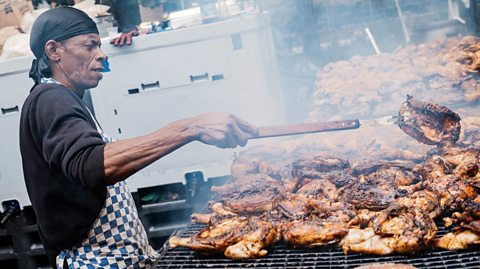
Christopher Columbus is best known for 'discovering' the Americas, which were already heavily populated, in 1492. But you might not know his voyages were also partly responsible for bringing barbecues to the wider world.
When Columbus landed on the island now known as Hispaniola, the indigenous tribes he encountered cooked their meat over an indirect flame, with the food placed to the side or above the heat source. The Taino people called this barabicu, which was adapted as the Spanish word barbecoa.
It's still popular throughout the Caribbean. One of the best-known dishes is lechón - a roasted suckling pig cooked over charcoal. It's Puerto Rico's national dish, and is also popular in the Philippines.
One extremely popular Caribbean dish you may already know about is jerk chicken, a key part of barbecue culture in Jamaica. In this style of cooking, meats are dry-rubbed or wet-marinated in jerk spices.
It's thought to have come either from Maroon communities - the descendants of enslaved people from Africa, who escaped from the British during the 1655 invasion of Jamaica - or from the native Tainos themselves.
BBQ
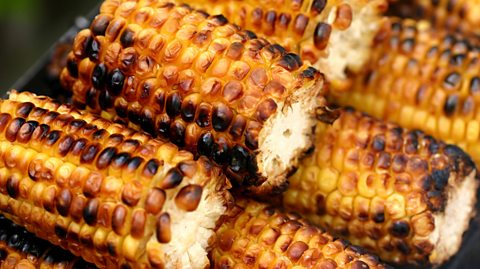
Barbecue wasn't created in the USA, but the country lays claim to being the modern-day home of outdoor grilling. In 2025, the US outdoor cooking and grill market was valued at over $3 billion.
While it's popular throughout the country, barbecue is mostly associated with the south-eastern American states. Carolina and Memphis styles are among the best-known regional traditions, where pork is used almost exclusively. That's because pigs were considered a much more cost-effective animal to farm, as opposed to cows. However, Texas and Kansas City barbecuers have adapted and introduced beef.
While dishes like brisket, pulled pork and sticky ribs will always conjure up images of those classic American BBQs, the sides that accompany them are just as important. Corn on the cob, potato salad or coleslaw are common.
It's not all fun and games - barbecuing is serious business stateside. Hundreds of competitive cooking events take place every year, with the biggest being the American Royal World Series of Barbecue in Kansas City, where over 500 teams cook off to be crowned barbecue champions.
Gogigui
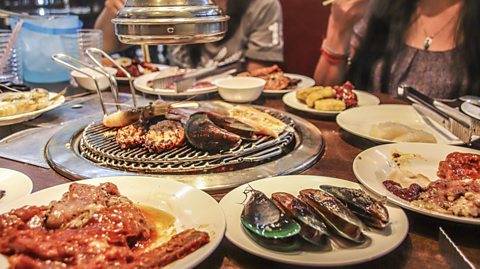
One of the most popular, 'newer' forms of barbecue comes from Korea. Known as gogigui, Korean barbecue restaurants are now staples all around the world. But the roots of this cooking style date much further back.
Two of the most-loved dishes are galbi and bulgogi. The former is a grilled beef short rib dish, while the latter is made from thinly-sliced sirloin or ribeye. Both are served with a sweet/savoury soy sauce-based marinade. Both are thought to have evolved from dishes influenced by maekjeok, an early skewered and grilled meat dish, which was grilled on skewers and dates back almost 2,000 years.
No Korean banquet would be complete without kimchi - a fermented spicy relish that is thought to date back to the era of the Three Kingdoms over two millennia ago.
Braai
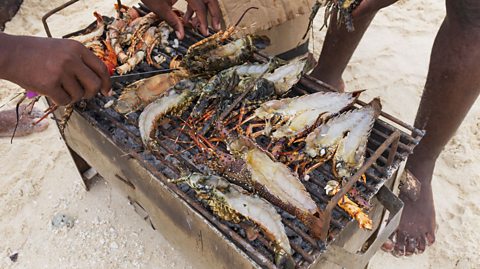
The modern South African braai tradition is closely associated with the Afrikaner people. The word braai is Afrikaans for grill, and has been adopted by English-speaking Africans for barbecues.
Braais are typically very social affairs, with 'bring and braai' parties taking place amongst family and friends. Groups get together, either in picnic spots or at people's homes, and every guest brings a dish.
Traditionalists would insist on grilling over a wood or charcoal fire, with braai snobs turning their noses up at a gas fire. Popular dishes include sausages, pork chops and rock lobster – known in Afrikaans as kreef.
And don’t forget the side dishes. One of the most common accompaniments at a South African braai is actually a form of porridge known as pap. Maize-based, pap is served very thick and eaten with either tomato and onion sauce, a spicy chakalaka relish or monkey gland sauce - which, despite its name, doesn't contain any monkey.
Barbies
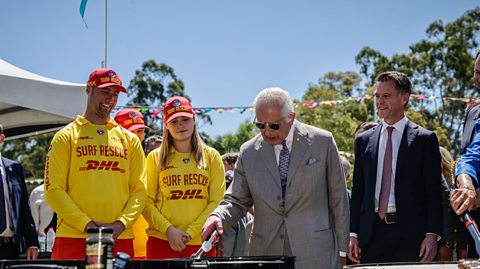
You can't talk about barbecues without heading down under. Thanks to teatime trips to Erinsborough or Summer Bay - fictional towns from the soaps Neighbours and Home and Away, for those who don't know - we all associate outdoor grilling with Australia. Even on Christmas Day.
It was even used to promote the country for tourism. Paul Hogan, star of the film Crocodile Dundee, filmed a series of adverts for American television which popularised the phrase 'shrimp on the barbie' - though you're unlikely to hear any Australians refer to their barbecued prawns as shrimps in real life.
Giant public feasts of whole roasted bullocks were held in Australia throughout the 19th century as the country's first form of barbecuing. It's become such a popular way of cooking that many city parks have free or coin-operated barbecues for use.
So, lighting the barbecue isn't just a British summer tradition. It's part of global history. All we need now is some sun…
This article was published in July 2020 and updated in July 2026.
