Welcome to The Regenerators.
By accident or on purpose, we’ve probably littered before.
Litter is simply waste in the wrong place and isn’t always down to choice. Often the bins are too full or sometimes there aren’t any nearby.
What is happening around us can affect us, too. By looking after our surroundings and nature – for example, by not littering – we are also looking after ourselves. In addition, littering costs local councils money and can attract even more rubbish.
How does litter picking help the environment?
Litter picking is a fantastic way to help your community and its environment. Rubbish left outside can trap wildlife like birds and hedgehogs, causing them to get injured. So, removing that rubbish helps protect animals in your area.
The chemicals in some plastics can also damage soil, making it harder for plants and trees to grow. Many types of plastic won't degrade for decades or even centuries, so picking up plastic is one of the best ways you and your friends can clean up your community.
Follow these six top tips to become a litter-picking legend
If you want to help tidy up your local area, why not get some top tips from the UK’s young litter-picking legends doing their bit?
Elizabeth
In this clip from Countryfile, Elizabeth explains why she started litter picking and how her parents have followed her example.
Elizabeth: Hi, my name is Elizabeth and I'm 11.
I live on the Wirral in Merseyside.
When I was six, I saw someone throwing litter out of their car window.
This upset me, so I decided I had to do something about it.
As soon as we got home, I asked my mum if I can go out and do a litter pick.
I wanted to make a difference and thought that if people saw me doing it, they might feel like having a go themselves.
Or at the very least, not drop litter in the first place.
I became known as "The Little Collector".
From there, I started The Little Collector crew.
Different children from around the area came together once a month to litter pick at the places they care about.
These days, I litter pick all around my local area and beyond and have even inspired other people to start up their own groups.
Through my litter picking, I've met some wonderful people who've taught me about where the rubbish comes from and the damage it does to our environment.
Using my social media pages, I run campaigns to show people the harm litter has on the environment and show them how they can make changes that will reduce this.
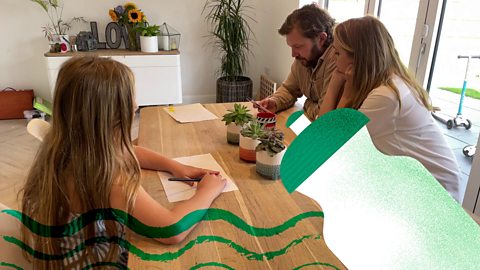
My parents are very supportive, and over the last few years, we've completely changed the way we live and shop, trying to cut down on the waste we produce and looking for ways to reduce single-use plastic.
Parent: She's the voice of a conscience, urging us to make all the right decisions on behalf of the planet and reminding us we've actually got a responsibility to do so.
If I go out to buy something, Elizabeth has taught me to ask myself if there is a better choice, or do I really need it?
Simple things like buying loose fruit and veg and using zero waste refill shops, if you can, are easy ways to start.
Elizabeth: I learned that lots of little changes really add up and if we all try to make some, the impact can be massive.
I'm not so little anymore, but I will continue to litter pick and encourage people to show our beautiful planet the TLC it truly deserves.
My motto is: "Together, we can make a difference."
11-year-old Elizabeth lives on the Wirral in Merseyside and started litter picking there when she was six. After seeing someone throw rubbish out of their car window, she was inspired to take action and formed her crew, ‘The Litter Collector’. She’s since encouraged over 80 young people to go litter picking with her and in their own time. Elizabeth suggests that if you’re new to litter picking, you could:
- Ask your local council for help – It’s worth checking if your local council could help provide you with some equipment such as litter pickers and bags.
- Stay safe – Always have an adult with you, and if you spot fly-tipping or any dangerous or clinical waste like needles or syringes, let your local council know so they can collect them safely.
- Make sure you have permission – Wherever you go, make sure you have permission to pick there, especially if you’re on private land.
- Be aware of your surroundings – Remember to look around and be vigilant when litter picking on busy roads, steep slopes or the water’s edge.
Waimi, Mbetmi and Yimi
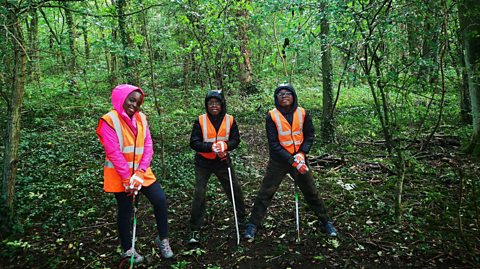
These 8-year-old triplets from Nottingham started litter picking after learning about the impact of climate change at school. Keen to take action locally, they go litter picking about once a week, as well as sharing their environmental knowledge and tips on their YouTube channel. Here’s their best advice to new litter pickers:
- Wear protective shoes - Choose footwear that completely covers your feet (no sandals!). This helps protect your feet when walking around and coming into contact with rubbish.
- Use gloves – You’ll be picking up rubbish, so wearing reusable gloves is a must. Remember, don’t pick up or touch anything that looks sharp, too dirty or you’re not comfortable with.
- Wear a hi-vis jacket or a bright coloured top - This will make it easier for others to spot you.
- Bring extra bags – Don’t underestimate how much rubbish you’ll be able to collect – better to be safe than sorry!
Danny and Jojo
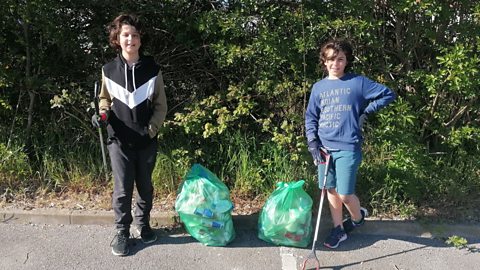
These 12 and 10-year-old ‘Litter Kickers’ brothers live in Tonbridge, Kent. They’re huge fans of football and are using their passion for the sport to look after their neighbourhood. Danny and Jojo do an hour of litter picking for every hour of football they play.
On special occasions, they went out each day to collect rubbish and help keep Tonbridge tidy – they collected 55 bags of litter during Ramadan last year! Sometimes they even take their litter pickers on holiday. Here’s what they recommend:
- Take photos to document your progress – It can be hard to see just how big your impact is if you don’t record what you’ve done. Take photos so you can count them up at the end of the month or year or post them to social media to encourage others to do something similar.
- Go out in the daytime – It gets darker earlier in the winter, so it may be hard to go litter picking after school. In this case, maybe try litter picking at the weekend – or before school if you can get up that early!
- Recycle what you can – See if anything you picked up could be recycled and put it in the correct bin. If you’re not sure, ask an adult to check on the local government website if an item could be recycled.
- Set fun challenges – Bored of your usual litter picking routine? Bring a friend or a sibling along and focus on picking up one type of litter. Challenge each other about who can collect the most items in one litter pick!
Can you do litter picking for DofE volunteering?
The Duke of Edinburgh's Award is a brilliant scheme for young people aged 14 and above to learn new skills and do something positive for the community.
One key aspect of the award is volunteering for at least an hour per week, and litter picking is a great option. Work with your leader to make sure you're kitted out with the proper equipment for the task. If you log evidence of your volunteering, it could count towards the volunteering section of your DofE programme.
Learn more from the Regenerators
Discover more about the planet and how to protect it with the BBC.
How to be a zero-waste hero
THE REGENERATORS
Five ways to eat well for you and the planet
THE REGENERATORS
Three water-saving tips to try at home
THE REGENERATORS
Return to the homepage
Back to The Regenerators
BBC BITESIZE