Getting to know your gut
In a day and age when there is so much to see and do, life can get so busy. But there’s one important thing we should never forget – our health.
Having good health isn’t just about not feeling unwell; it’s a combination of our physical, mental and social wellbeing. Today, there is so much advice out there that it can feel overwhelming and often different aspects of health can dominate the media, such as our gut health.
But what is gut health and why is it so important? Here, BBC Bitesize takes a closer look at the importance of gut health and what experts suggest you can do to improve it.
What is gut health?
In the media, we often hear professionals and experts discussing gut health and its importance. But what actually is gut health?
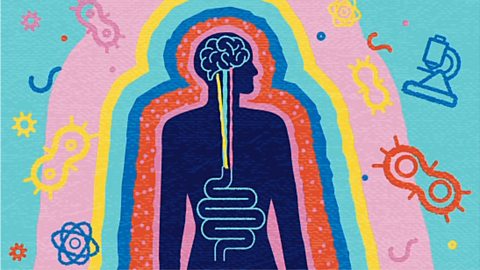
Well, the gut refers to the gastrointestinal system which includes your stomach, colon and intestines. The central component is the gastrointestinal tract - a long, muscular tube which runs from the mouth to the anus.
The primary role of the gastrointestinal system is to digest and absorb nutrients from food and to expel waste. Your gut also contains a microbiome, which is an ecosystem full of microorganisms.
There has been much research in this area, and medical professionals and researchers may differ on their exact definition of gut health. But Dr Hussain Al-Zubaidi, GP and lifestyle doctor, previously told BBC Bitesize that gut health usually refers to “the balance and function of microorganisms that live in the digestive tract.”
In the digestive tract, there are millions of microorganisms including bacteria, fungi and viruses. These are often associated with illness or disease – but many are beneficial and play a key role in keeping you healthy.
When discussing gut health, you may also hear the terms prebiotics and probiotics. Dr Hussain previously explained: “Prebiotics are plant fibre that our gut bugs feed on, supporting their growth and spread.
“Probiotics are the gut bugs themselves! The (mainly!) good bacteria that can be found in a number of food sources that we can add to our existing pool of bugs in our gut.”
How can I improve my gut health?

A key centre for our immune system, the gut can be supported in many ways, and eating the right kind of foods can make a massive difference.
This will be different for every individual person, but many experts say that the following tips can help you on your way to improving your gut health. Key suggestions include eating a wider range of plant-based foods like fruit, vegetables, nuts and wholegrains, as well as increasing your fibre intake.
There are a number of prebiotic foods that our gut bacteria love to eat, such as onions, apples, lentils and seaweed. You can also find probiotics in fermented foods like yoghurt, sauerkraut and kimchi.
Overall, a lot of the advice is eating a well-balanced diet and avoiding highly processed foods. There are so many more to mention and you can find out more about what to eat for a healthy gut here.
What is the gut/brain connection?
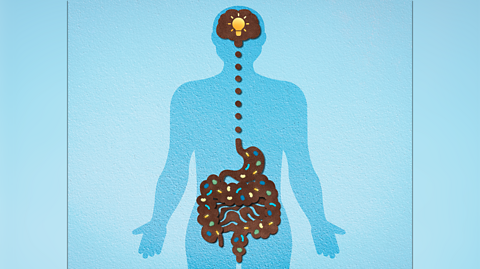
Gut health is key to our physical health, but there is growing evidence and research that suggests it may also help our mental health. This is often referred to as the “gut-brain connection” or “gut-brain axis.”
The gut-brain connection is bidirectional, meaning that signals pass in both directions between the central nervous system (the brain) and the enteric nervous system (the gut), thus affecting one another. This connection has long been discussed – just think of common sayings in everyday life like “gut feeling,” “going with your gut” or having “butterflies in your stomach.”
Through communication via nerves, hormones and bacteria, it means the brain can affect your gut and your gut can affect your brain. For example, stress can sometimes cause stomach pain, or an unhealthy diet can influence your mood.
When discussing the brain-gut axis, the enteric nervous system is often referred to as the “second brain.” The enteric nervous system is the gut's own nervous system and produces chemicals like serotonin, which can impact mental wellbeing.
The vagus nerve is also considered a key part of the gut-brain axis. It provides bidirectional communication between the brain and the gut.
Why is gut health important?

It's not always an easy task, but there are so many reasons gut health is important and benefits our overall health. A healthy gut supports not only digestion, but also your immune system.
Looking after your gut also helps prevent issues such as bloating, constipation, or diarrhoea. And as for the gut-brain axis, it reinforces the impact it can have on your mental wellbeing.
You can read more of Dr Hussain’s tips and advice featured over on [BBC Parenting].(https://www.bbc.co.uk/bitesize/articles/zcyhrmn#zfcr7v4)
