Why can hosepipes be banned and what does that mean?
You might hear the phrase hosepipe ban when the weather is particularly warm and there hasn't been much rainfall, which is becoming more common due to climate change.
There may even have been a drought declared, although a hosepipe ban can be put in place even if there has been some rain.
But what does it actually mean? Do you really get punished if you use a hosepipe in the middle of a ban? And who even decides there needs to be a ban in the first place? BBC Bitesize has poured all the answers you're looking for into this article.
What is a hosepipe ban?
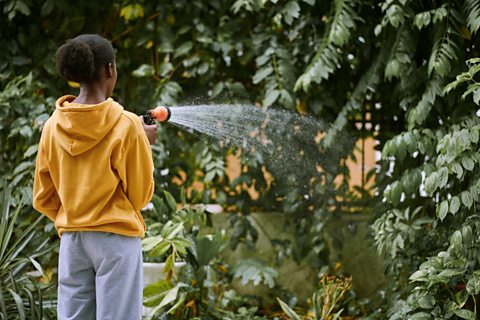
It probably won't come as a surprise that a hosepipe ban means a ban on using hosepipes.
It is something that is put in place by water companies when the demand for water is high or if supplies are lower than usual.
The official name for a hosepipe ban is Temporary Use Ban, or TUB. The rules for it are set out in the Water Industry Act 1991. That sounds complicated, but it simply means people aren't allowed to use hosepipes for a variety of functions…
What can't you do during a hosepipe ban?
There are actually quite a few things you can't do during a hosepipe ban.
First up is one of the more obvious, and probably what most of us usually use a hosepipe for - you can't water your garden and plants.
The word 'garden' encompasses a lot, including gardens open to the public, grass verges, sports pitches and any other green space. But it doesn't include farmland, or land used to grow things commercially. Temporary gardens and flower displays are also exempt, as well as plants in outdoor pots.
You also can't wash your car using a hosepipe, fill up a paddling pool or swimming pool, clean a boat or draw water for 'domestic recreational use'.
So, how do I water my plants during a hosepipe ban?
While you’re banned from using a hose connected to a tap that uses mains water, you can still water your garden by filling up a watering can or bucket from your mains tap, like the one in your kitchen.
If there's any rainfall in your area, you could collect it in a water butt in your garden. If you have one of these already, it might even have some water in it!
Who decides if there is a hosepipe ban?
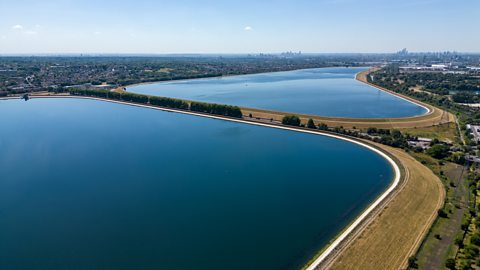
Water companies are the ones who decide if a hosepipe ban is needed or not.
These companies source water from places like lakes, rivers, reservoirs and from underground. Generally, this water is untreated when it's collected - meaning it might contain harmful germs and chemicals - and the companies purify it so that it's safe to drink.
When there's a prolonged period of hot weather and low rainfall, water levels in these sources start to drop. Water companies have to make sure there's enough water to supply the area's drinking, hygiene and food preparation needs. That means asking the public to restrict their unnecessary water usage - like a hosepipe to water their garden, for example.
A water company has to tell local residents about a hosepipe ban ahead of time by publishing details on its website and in two local newspapers.
Is there a hosepipe ban at the moment?
In July and August 2026, nine major water companies announced hosepipe bans: Anglian Water, South East Water, Southern Water, Thames Water, South West Water, Cambridge Water, Affinity Water, Welsh Water and Wessex Water.
These bans were put in place in response to a series of heatwaves in the UK, which saw temperatures rise to as much as 38 degrees Celsius in some areas. However, companies including Scottish Water and Northumbrian Water haven't announced bans.
Before this, the most recent ban in the UK was from Yorkshire Water in July 2025. In any given region, hosepipe bans tend to only happen once every few years or even decades, but during particularly hot and dry summers multiple companies will impose them at the same time.
What happens if you break a hosepipe ban?
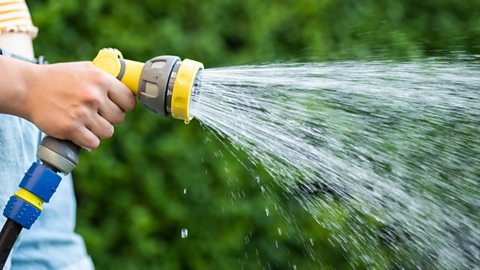
So, what happens if you do use a hosepipe during a ban? There's actually a punishment - you can be fined up to £1,000.
However, while water companies have the legal right to prosecute people for this, none of them have ever done so and no fines have been issued. The system relies on voluntary cooperation from the public, and water companies usually issue informal or verbal warnings first.
Still, that's a potentially high price to pay for watering your plants or washing your car…
This article was published in July 2025 and updated in August 2026
