| 13 November 2014 |

| |
| BBC Homepage | | |
| |||
| Contact Us | | |
Credit CrunchYou are in: Tees > Credit Crunch > THE BUDGET - What the North East wanted THE BUDGET - What the North East wantedAt 12:30 on Wednesday, April 22, the chancellor stood up to deliver the 2009 budget, amid the worst financial crisis since 1929. Before the event, businesses and trades unions in the North East told us what they would like to see announced.  BUSINESSThousands of jobs have either been lost, or identified as 'at risk' in the North East already in 2009. The crisis that gripped the banking and housing sectors in 2008 has spread to manufacturing in the form of a lack of credit and falling demand for goods.Experts believe the chancellor could revise his projected drop in annual growth this year from between 0.75% and 1.25% to between 3% and 3.5% - which would make this the worst recession since 1945. 
Business TaxIf the economy is to recover and unemployment to start falling, businesses in the region will have to start expanding again, so they feel they have a good case for a few tax breaks. The trouble is, that business tax is also a major source of income for the government - money the chancellor desperately needs to pay his debts. The North East Chamber of Commerce, which represents more then 4,000 companies in the region, is calling on the chancellor to reverse his decision to scrap the concession which makes agency staff wages exempt from VAT. Staff hire concession was scrapped at the start of April making temporary staff 15% more expensive to hire. The chamber says that change could make the difference between the region's employers deciding to employ temporary staff, or make do without, taking much needed jobs off the market. Andrew Sugden, the chamber's director of policy, says it will be voluntary organisations, not big business, that will be worst affected. “Charities and public bodies in the region cannot pass the VAT on, so they are faced with a difficult decision now as to whether or not they can afford to take on agency workers.” The chamber is also hoping for a corporation tax holiday for businesses, saying it would be worth an estimated £1.35bn to the North East economy. The Tees Valley Engineering Partnership is among those calling for the government delay a planned 0.5% increase in employers' National Insurance contributions, saying it will make employing staff more expensive at a time when extra employment is sorely needed.  The Credit QuestionThere are calls in the North East for more to be done to force banks to increase lending to businesses. Earlier this year, a multi-million pound deal for Teesside yards to build the biggest oil rig in a generation in Britain was unexpectedly relocated to Singapore. To the astonishment of many in the region, the lion's share of the blame for moving the contract overseas was laid at the bank funding the project, Lloyds TSB - 43% owned by the British public. Stockton North MP Frank Cook said at the time, "It cannot be right that the actions of a British bank, backed by the British Government and the British taxpayer, should effectively result in this contract being transferred to the Far East." David Eason from Tees Alliance Group, who won the original contract, wants to see the government provide the same kind of support for industry that it has given to the financial sector. "I'd like to see as much assistance for manufacturing in this country as we can possibly get. One of the issues I have is that I'm really hacked off that people are still scraping around for jobs in this area." The measures businesses in the region are calling for might boost employment in the short term, but mean getting the treasury to spend at a time when mounting government debt makes competition for money tighter than ever. 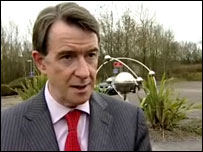 Peter Mandelson 'Special Help'A decision on including the car scrappage scheme - aimed at helping the ailing automobile industry - in the Budget has still not been finalised by the Treasury. This could see motorists receive a payment of £2,000 to trade in cars that are more than a certain number of years old. It's not just car industry the government is under pressure to help out. Pressure is being applied to help steelmakers, as Corus on Teesside struggles with a drop in demand. Speaking to the BBC earlier this year, the Business Secretary and former Hartlepool MP Peter Mandelson promised specific help for the North East. Help playing audio/video Meanwhile Robin Davison from the Tees Valley Engineering Partnership says talk of a green economy needs to be met with action. 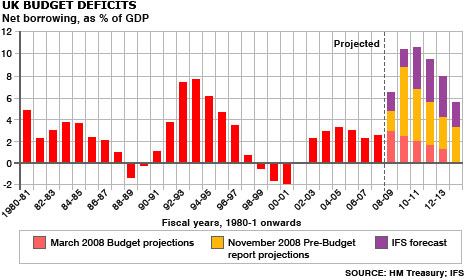 "As one of the world’s greatest manufacturers of Biodiesel, the Tees Valley has had no incentive no invest in the manufacture of this and the fuel surcharge should be reduced for users to benefit from the latest state of the art technology and assist our local companies ENSUS and North East Biofuels."

PUBLIC SECTORThe North East relies more heavily on the public sector for employment than other parts of the country, but the need for the treasury to stem mounting government debt has led to widespread speculation about cuts in public sector spending, which would affect the North East more than most.Treasury sources said on Monday the chancellor would unveil £10bn of annual Whitehall efficiency savings from 2011/12, on top of £5bn already pledged from 2010/11. Dave Prentis, general secretary of the public sector union UNISON thinks the move would harm the fabric of the country and is calling for higher taxes for the wealthy, instead. "The richest one per cent in our society have doubled their share of total income since the 1980s and today pocket more money every year than the entire pay bills for the NHS, state education and local government put together. They, too, should pay their way." The union wants money from a crackdown on tax evaders to create 300,000 new jobs. On their wish list for use of that money is £150m to bring school kitchen staffing up to levels needed to deliver new nutritional standards, £500m to recruit 10,000 new social workers, reducing child protection caseloads, £1bn for 30,000 more hospital cleaners, £2bn for daily home care visits to 370,000 elderly people and £12bn to build 80,000 new affordable homes. It is not surprising that businesses want to see tax cuts to help generate jobs and wealth, while the public sector wants to see more government money spent to support those who will need help during the financial crisis. But with the treasury potentially carrying unprecedented levels of peacetime debt, the chancellor has little room for manoeuvre and most in the region, public and private sector, say they are not optimistic about their chances of getting everything they want.
last updated: 24/04/2009 at 13:18 SEE ALSO
You are in: Tees > Credit Crunch > THE BUDGET - What the North East wanted |
| | About the BBC | Help | Terms of Use | Privacy & Cookies Policy |