"Don't you want me baby? Don't you want me? Woh woh woh woh..." How times can change. Where once the above refrain was the tag line of an electronic, synth led movement in the 1980's, a melancholy plea from the heart, it now exists more obviously as a line from a series of car adverts with a Brummie whose wife won't let him back in the car. Do not let this parody fool you. 'Don't You Want Me?" is a classic. Maybe not Bohemian Rhapsody, certainly not something Bach would lay claim to but as a dance floor filler at any good 80's night it rivals Duran Duran and Spandau Ballet for shameless kitsch. 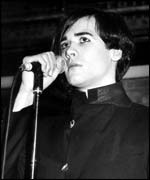 | | Phil Oakey: Androgynous pop |
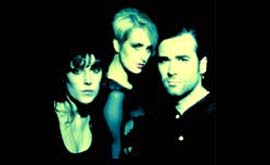
To get to this point though, the band had to endure a number of hardships, name changes, splits and dodgy titles (debut single "Being Boiled"). Founder members Ian Craig Marsh and Martyn Ware, both computer operators from Sheffield, originally found little success with their brand of atmospheric sounds but upon hiring Phil Oakey as a singer the band found both single and album success with 1980 LP Travelogue. Despite this the heyday of the band was yet to come and as Ware and Marsh soon left it came in the shape of two young and glamorous female dancers, Susan Ann Sulley and Joanne Catherall. They were recruited from the Crazy Daisy disco dancefloor in the town.  The band had to endure a number of hardships, name changes, splits and dodgy titles (debut single "Being Boiled"). The band had to endure a number of hardships, name changes, splits and dodgy titles (debut single "Being Boiled").  | | - Rory Dollard |
The lesson? If you're cool, you can dance and you want to be famous, try to be at your best when a local synth pop group have just lost two members and are in the same club as you. No fuss, no frills, no Simon Cowell. With a new look, a more poppy sound and for the first time an instrument other than a synthesiser (Ian Burden on bass) the Human League found a new plateau for their talents. A first UK top 5 single came in the form of Love Action. This was followed by the album Dare and of course the now omnipresent 'Don't You Want Me?" which reached the holy grail of number 1. This was to be the League's lasting legacy, although some would argue that they were among a small number of bands whose influence made the 80's the musical wasteland that it was. Three more albums surfaced in the next 10 years but none really reached the peaks of Dare - their sound had switched from pioneering to veteran and until their appearance on an 80's revival tour with ABC and Culture Club they had slipped off pop's radar somewhat. This nostalgia trip provided a deserved Indian summer for the band. Instead of trying to keep up with the latest effects the 1998 tour gave them a platform on which cheese, androgyny and excessive keyboards were not only accepted but necessary. |