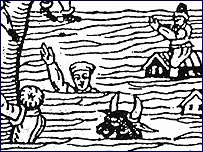
Described as the worst natural disaster to hit Britain, the flood of 1607 killed 2,000 people. It is estimated 200 square miles (520 sq km) of land were covered by water. Eyewitness accounts of the disaster told of "huge and mighty hills of water" advancing at a speed "faster than a greyhound can run". BBC Somerset Sound marked the 400th anniversary of the event in a special programme on Tuesday, 30 January, 2007. Clinton Rogers also filed a special report for BBC Points West, which you can watch by clicking on the link at the bottom of the page. To listen to the story of the flood, told from reports at the time, click on this audio link: But what caused such an event? Was it a huge storm? A tsunami is the theory put forward by Professor Simon Haslett from Bath Spa University and Dr Ted Bryant of the University of Wollongong, who took BBC Somerset Sound reporter Andrew Enever to see some of the evidence: One of the key issues today is how vulnerable Somerset's lowland coastal areas are. 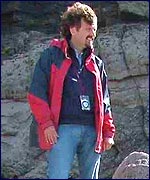 | | Professor Simon Haslett |
Simon Haslett took reporter Andrew Enever to a place where the weakness can be seen all too clearly. Hear him talking about how vulnerable Somerset is to another great flood: So can these lowland areas be protected? BBC Somerset Sound's Jess Rudkin asked Richard Symonds from the Environment Agency who manages flood defences in Somerset: Most scientists agree that rising sea levels mean a major coastal flood in the future is becoming more likely. 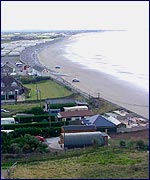 | | This view from Brean Down shows exposed lowland |
It's not easy to imagine what kind of impact it could have in the county, but let's consider one future scenario. The date is 30 January 2047 and Somerset's sea defences have been breached. In a fictitious account of what the future might hold, a Somerset woman writes a letter to her great grandchild: |