

Aphrodisiacs
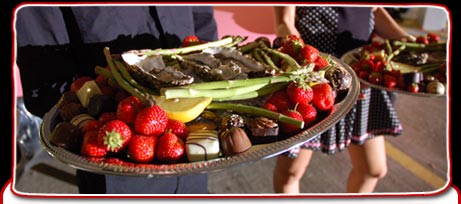
summery
Can certain foods turn you on?
If you’re cooking a romantic meal do you slip in some oysters in the hope they might excite more than your partner’s taste buds?
If so, you’re not alone. Foods classified as aphrodisiacs have been well documented throughout history - Hippocrates suggested using honey to help one’s libido and in the seventeenth century it was claimed asparagus ‘stirreth up bodily lust in man or woman’.
But is there any scientific evidence that indulging in certain foods increases the proclivity to indulge in sexual activity?
Important scientific research needed to be done. We took the 5 most commonly known aphrodisiacs and tested them out to see which foods make you feel fruity. We did this by measuring the rise and fall in blood pressure whilst eating foods that claim to have an aphrodisiac quality compared with ones that don’t.
"blood pressure was rising throughout the whole experiment"
Just to make the test fair we brought in two models and asked them to flirt outrageously with our volunteers to see if the tempting combination of sex and food was more effective.
The results? Well, blood pressure was rising throughout the whole experiment but that had less to do with the food that was being tested and more to do with the capabilities of the models who were suggestively feeding it into the mouths of our unwitting subjects.
So, the bad news - there are no proscribed aphrodisiacs found in foods. The good news - since an aphrodisiac is simply an exciter of lust any food can be one which means you can tailor meals to your own personal tastes. Great if you have an aversion to oysters.
Have a look at some sexy Takeaway Tips.
Suggested recipes from BBC Food
Gamberoni di San Valentino (Valentine prawns)

