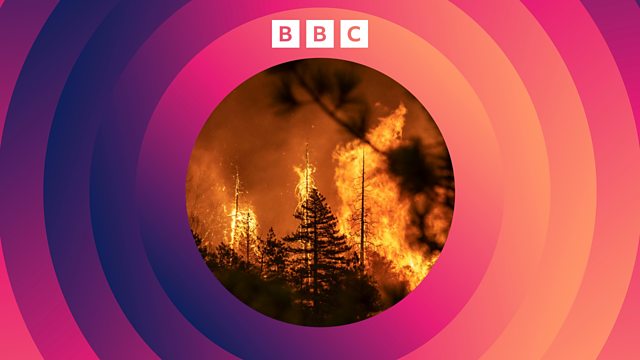
"Super" El Niños and climate change
The El Niño weather pattern has started and could be one of the strongest on record. So how does El Niño work exactly? And what’s the link with climate change?
Scientists say the El Niño weather pattern has started and this one is potentially so strong that it could have devastating effects in many parts of the world. So how does El Niño work exactly? And what’s the connection with climate change?
El Niño starts when water temperatures rise near the Pacific coast of South America, but the impact on weather is felt around the globe. Some regions are more likely to experience severe droughts or more powerful storms; others could face the threat of severe flooding.
This “Super” El Niño is likely to add 0.2 or 0.3 degrees to the global temperature. When added to the impact of climate change, scientists say the world could be headed for a new heat record in 2027.
In this edition of The Climate Question, hosts Graihagh Jackson and Jordan Dunbar chat to Mark Maslin, Professor of Earth System Science at University College, London, about what might happen and how the world can prepare.
Got a question or comment? You can email the team: theclimatequestion@bbc.com
Producer: Grace Braddock
Sound Mix: Mike Regaard and Tom Brignell
Editor: Simon Watts
Picture Credit: Reuters
Last on
Featured
.
Broadcasts
- Sun 28 Jun 202613:06GMTBBC World Service except East and Southern Africa, News Internet & West and Central Africa
- Sun 28 Jun 202613:32GMTBBC World Service News Internet & Live News
- Sun 28 Jun 202621:06GMTBBC World Service
- Wed 1 Jul 202601:32GMTBBC World Service
- Wed 1 Jul 202608:32GMTBBC World Service
- Wed 1 Jul 202619:06GMTBBC World Service except East and Southern Africa & West and Central Africa
- Sat 4 Jul 202604:32GMTBBC World Service East Asia
Podcast
![]()
The Climate Question
Why we find it so hard to save our own planet, and how we might change that.
Related Content
